Surface Analysis
Examine material surfaces at high resolution. Xinbodi Laboratories offers advanced surface analysis to identify contaminants, study surface properties, and evaluate adhesion, corrosion, and coating performance.
What is Surface Analysis?
Surface analysis involves the study of the outermost layers of materials to identify contamination, surface properties, and the effects of environmental exposure. It helps to understand how materials interact with their environment and provides essential data for optimizing product performance.
Whether you are concerned about adhesion issues, corrosion, surface roughness, or contamination, surface analysis provides critical insights that help in the improvement of manufacturing processes and product designs.
Why is Surface Analysis Important?
The properties and quality of a material’s surface significantly influence its overall performance, especially in applications where durability, adhesion, or corrosion resistance are crucial. Surface analysis helps address:
- Contamination: Identifying foreign particles or contamination that may impact product quality or safety
- Adhesion: Understanding failure modes related to bonding and adhesion between layers or to substrates
- Corrosion & Wear: Monitoring surface degradation, oxidation, and wear under different environmental conditions
- Coatings: Analyzing coating integrity, uniformity, and performance on surfaces
Surface analysis is essential in applications such as electronics, coatings, automotive parts, medical devices, and materials used in harsh environments.
Applications of Surface Analysis
Surface analysis has a wide range of applications across industries, including:
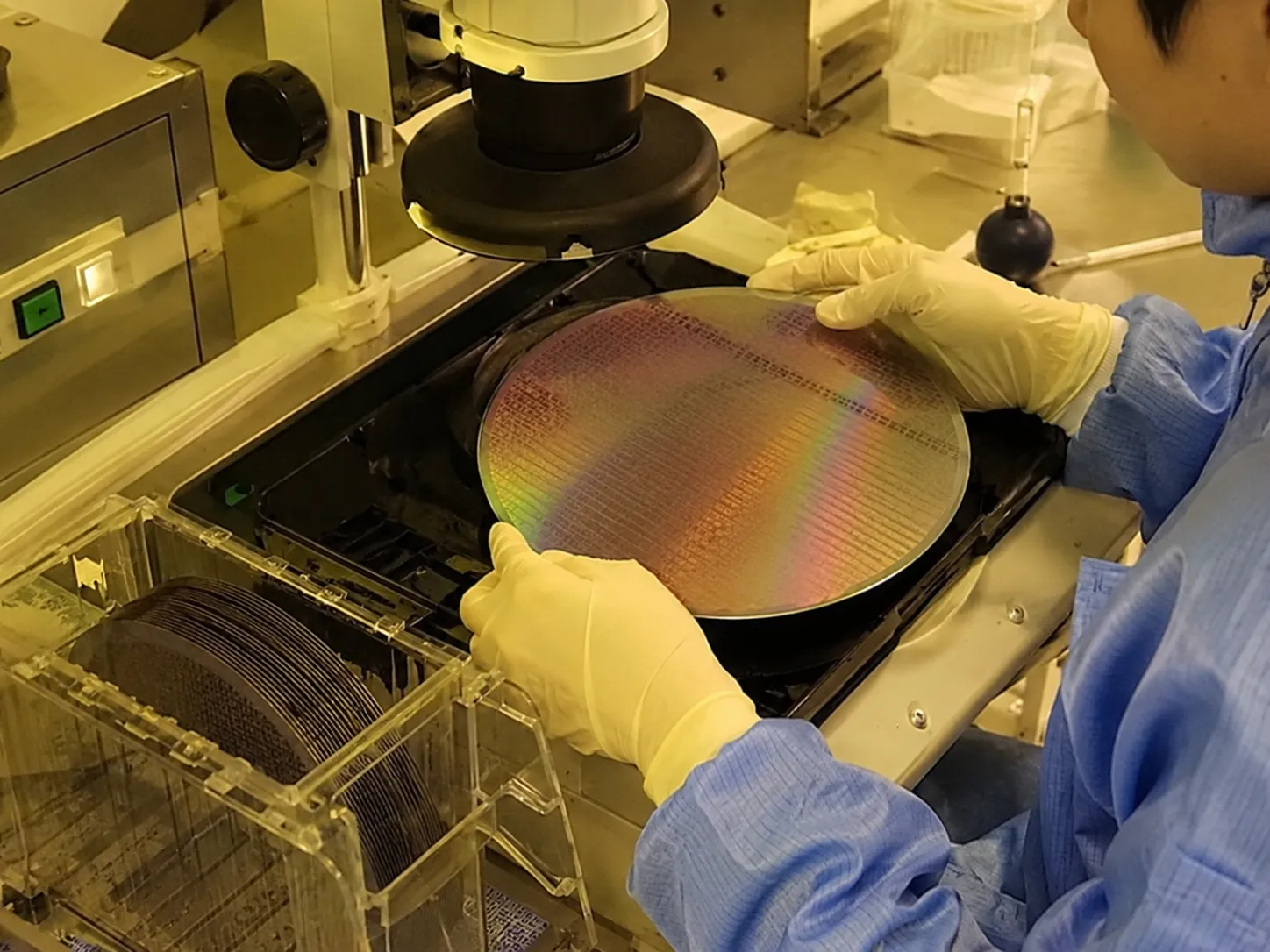
- Electronics: Studying metal oxides, coatings, and contamination on semiconductor surfaces
- Coatings: Evaluating coating adhesion, wear resistance, and surface uniformity
- Automotive: Analyzing surface corrosion, coatings, and bonding in automotive parts
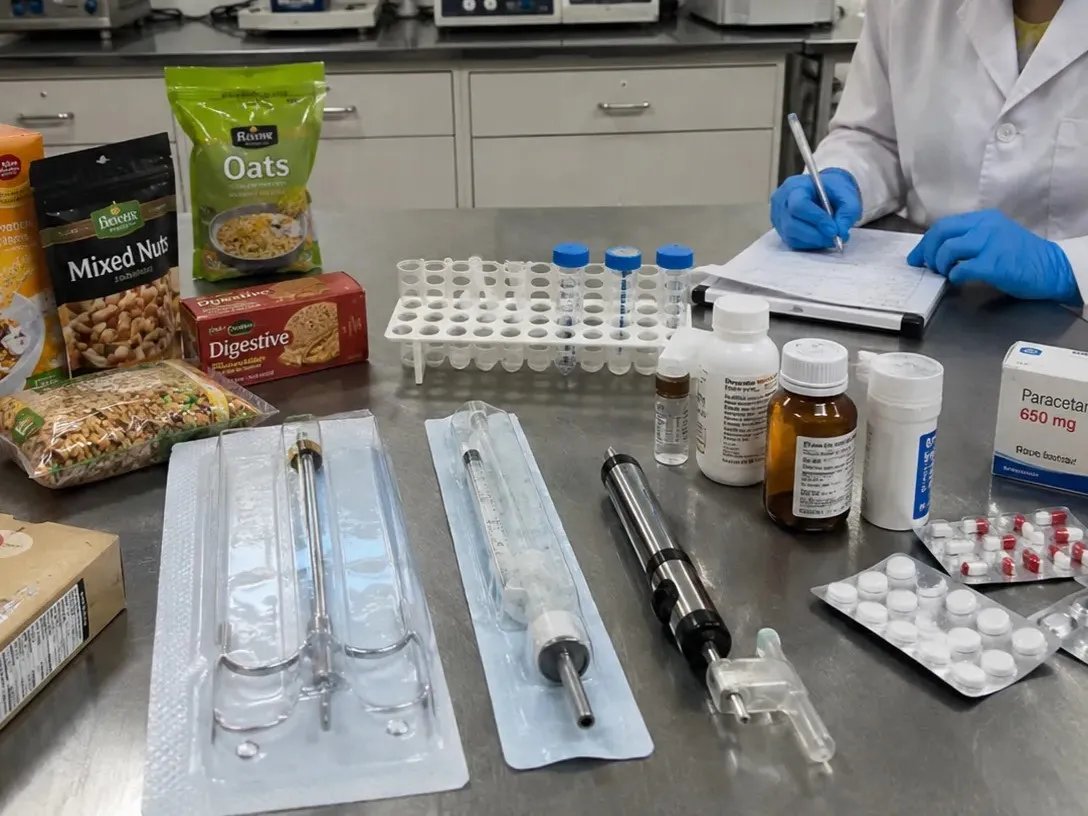
- Pharmaceuticals: Investigating contamination on drug delivery devices and packaging
- Medical Devices: Ensuring biocompatibility and surface integrity of implants and prosthetics
Standard projects: 5–10 working days
Rush service may be available depending on scope.
Compositional Analysis
Deformulation
Failure Analysis
Impurities Analysis
Surface Analysis
Composition & Materials ID
Materials Characterization
Techniques Used in Surface Analysis
We use a range of advanced techniques to perform high-resolution surface analysis. Common methods include:
- SEM
- XPS
- FTIR
- Raman Spectroscopy
- AFM
- TOF-SIMS
- AES
Depending on your requirements (e.g., depth of analysis, material type, contaminants), we choose the most suitable technique to deliver reliable and meaningful results.
What You Will Receive
Upon completion of surface analysis, you will receive a comprehensive report that includes:
- Detailed surface analysis data, including spectral maps and high-resolution images
- Identification and quantification of contaminants, coatings, and surface treatments
- Interpretation of surface properties and failure modes (if applicable)
- Recommendations for improving product quality or addressing surface-related issues
Why Choose Xinbodi for Surface Analysis?
Xinbodi Laboratories offers a comprehensive approach to surface analysis with the following advantages:
- Advanced instrumentation and techniques for high-resolution surface characterization
- Experienced scientists skilled in both basic and complex surface analysis challenges
- Custom solutions tailored to your material, product, and industry needs
- Quick turnaround time for urgent analyses and flexible scheduling
- Confidential handling of sensitive data and proprietary materials