
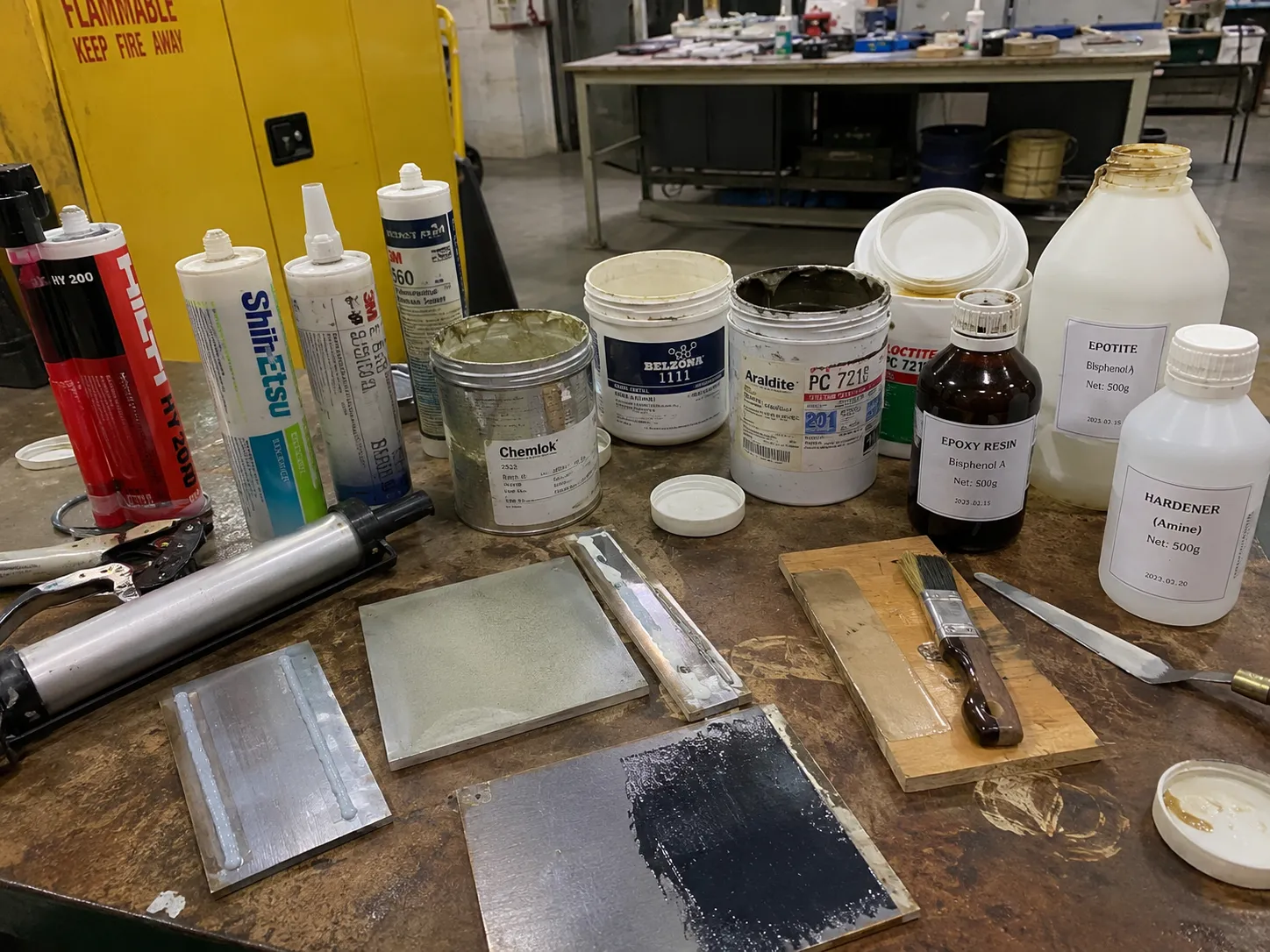
Industrial Adhesives, Sealants & Coatings
Water-based adhesives, Solvent-based adhesives, Structural adhesives, Pressure-sensitive adhesives, Industrial sealants, Waterborne coatings, Solventborne coatings, Protective and anticorrosion coatings, Wood coatings, Floor coatings, UV-curable coatings
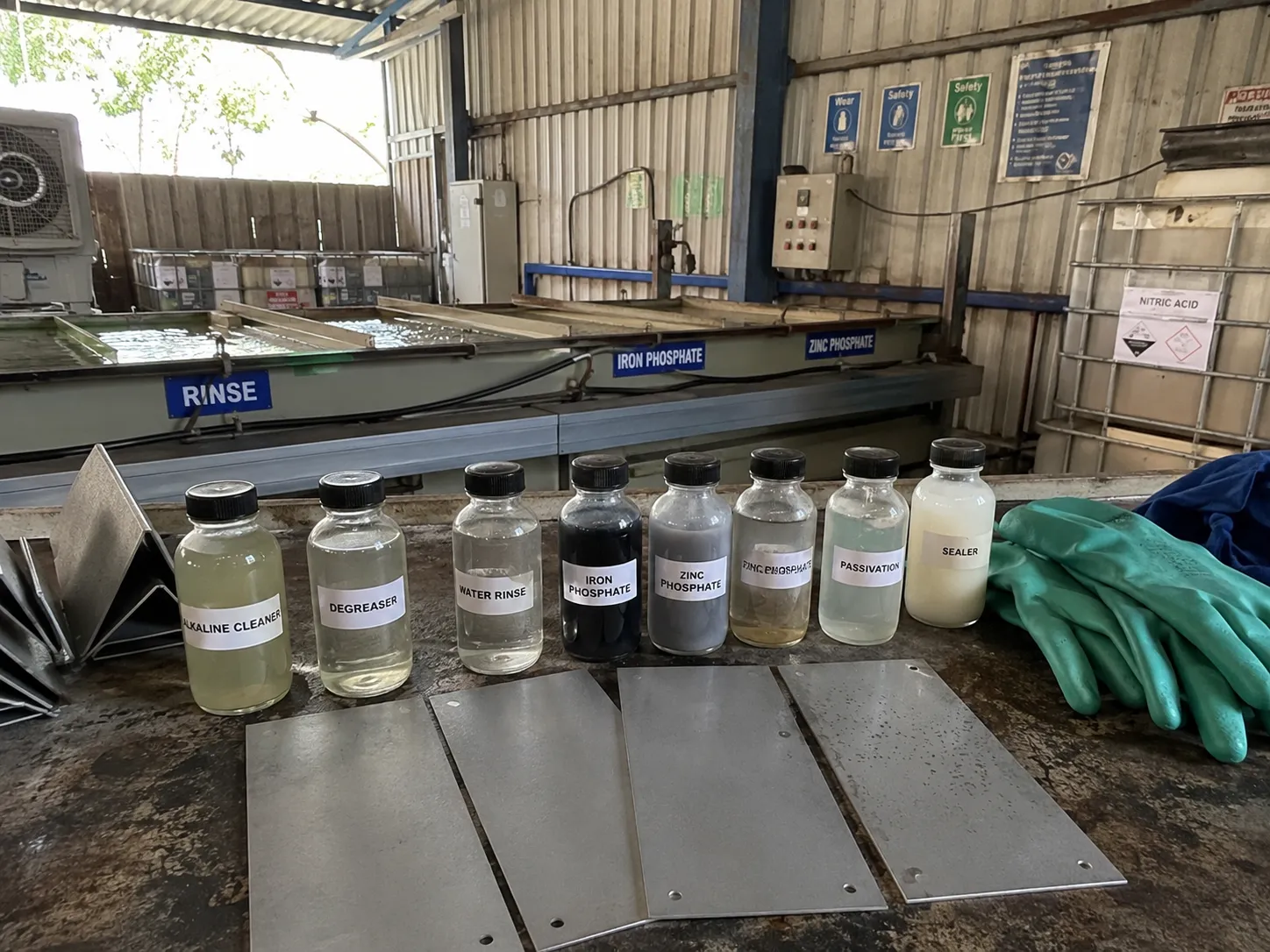
Metal Pretreatment Chemicals
Metal cleaners and degreasers, Electroplating additives, Electroless plating solutions, Electroless plating additives, Conversion coating chemicals, Passivation chemicals, Zinc phosphating products, Iron phosphating products, Manganese phosphating products, Surface activation chemicals, Metal polishing compounds, Rust preventives
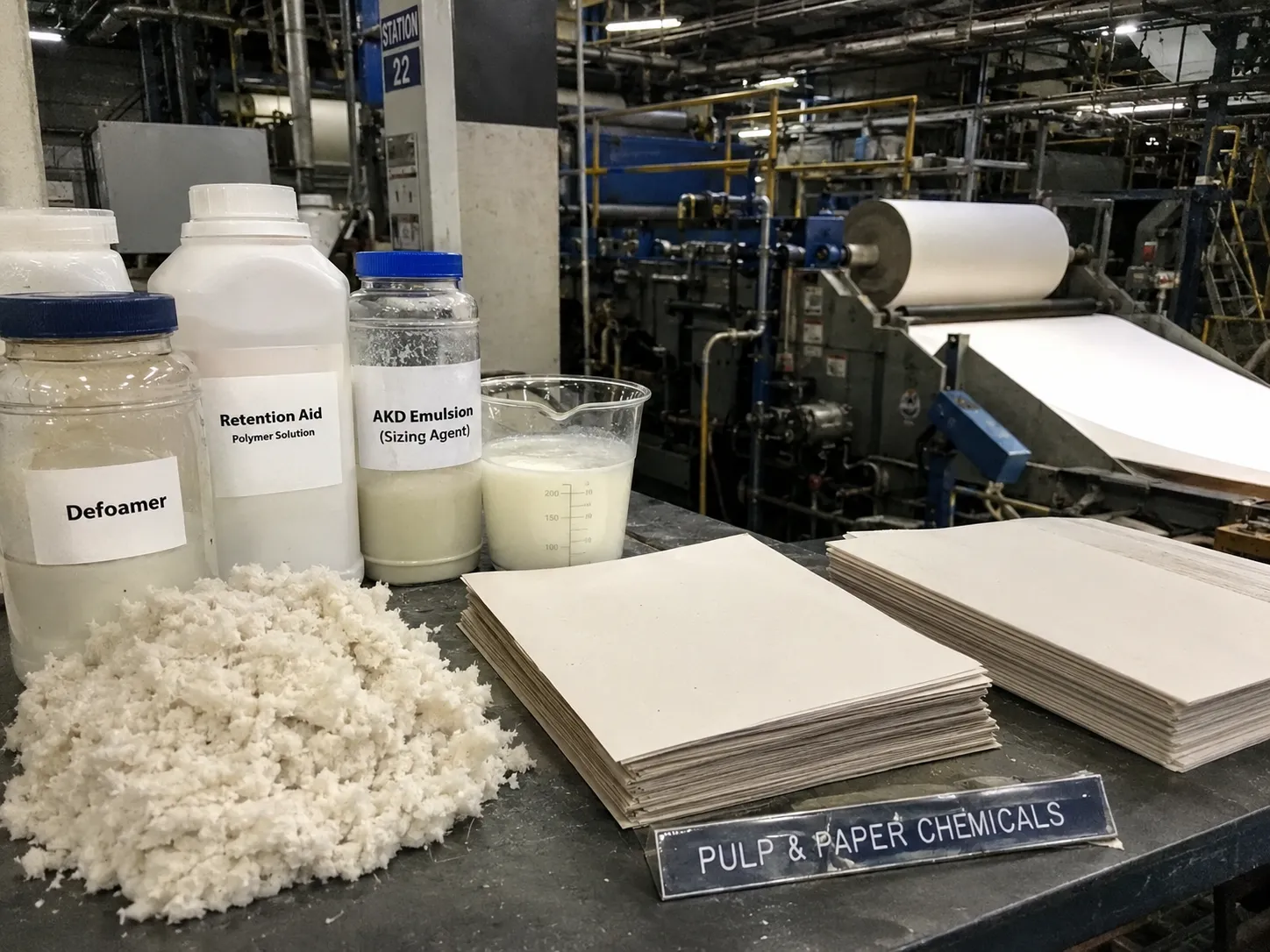
Pulp & Paper Chemicals
Internal sizing agents, Surface sizing agents, Retention aids, Drainage aids, Wet-strength additives, Dry-strength additives, Pulp and paper defoamers, Pulping and digester additives, Deposit-control agents, Papermaking process aids
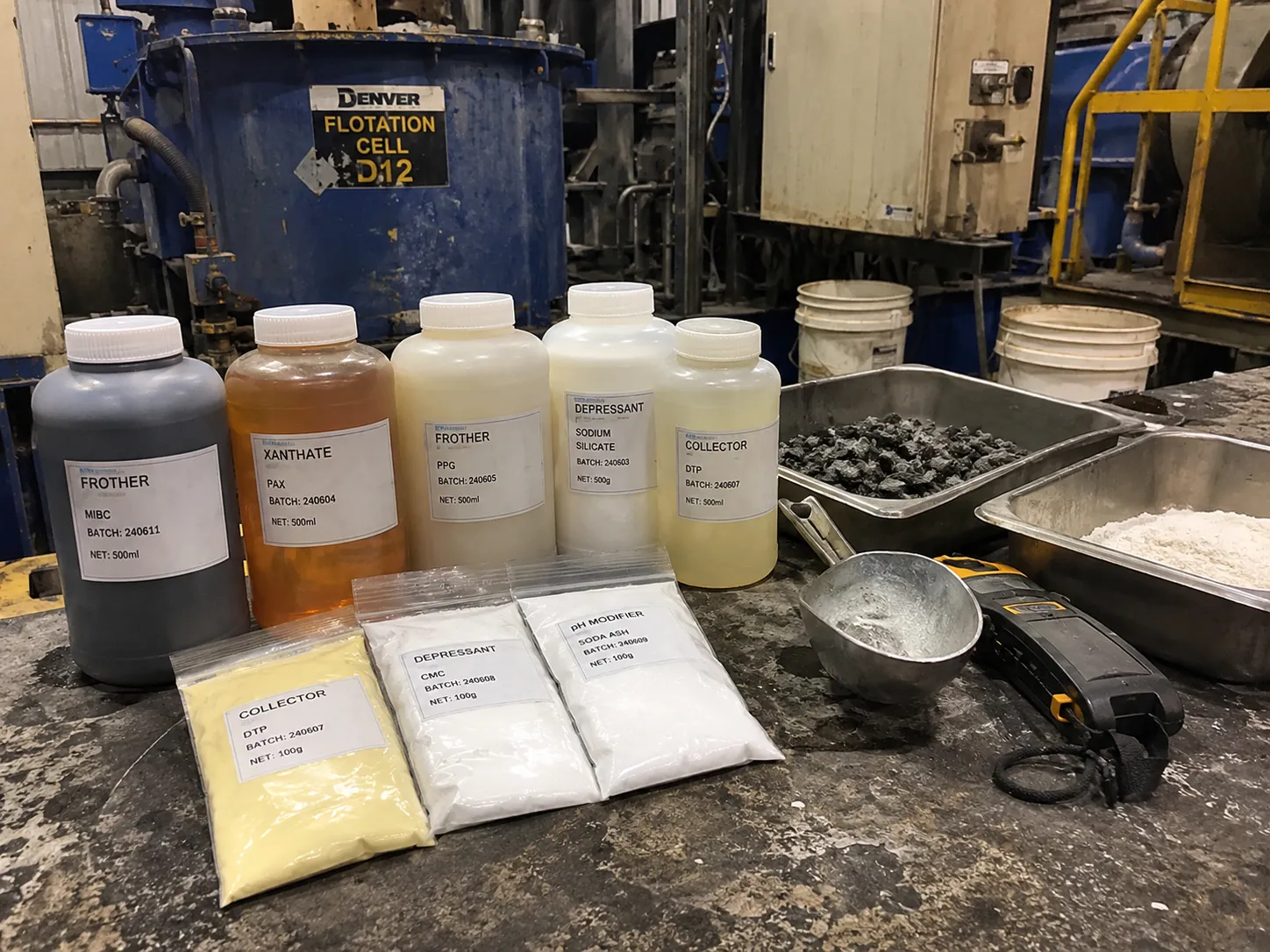
Mining & Metallurgical Process Chemicals
Flotation reagents, Flotation collectors, Frothers, Depressants, Activators, Flotation modifiers, Leaching reagents, Mineral processing chemicals, Metallurgical fluxes, Smelting and refining additives
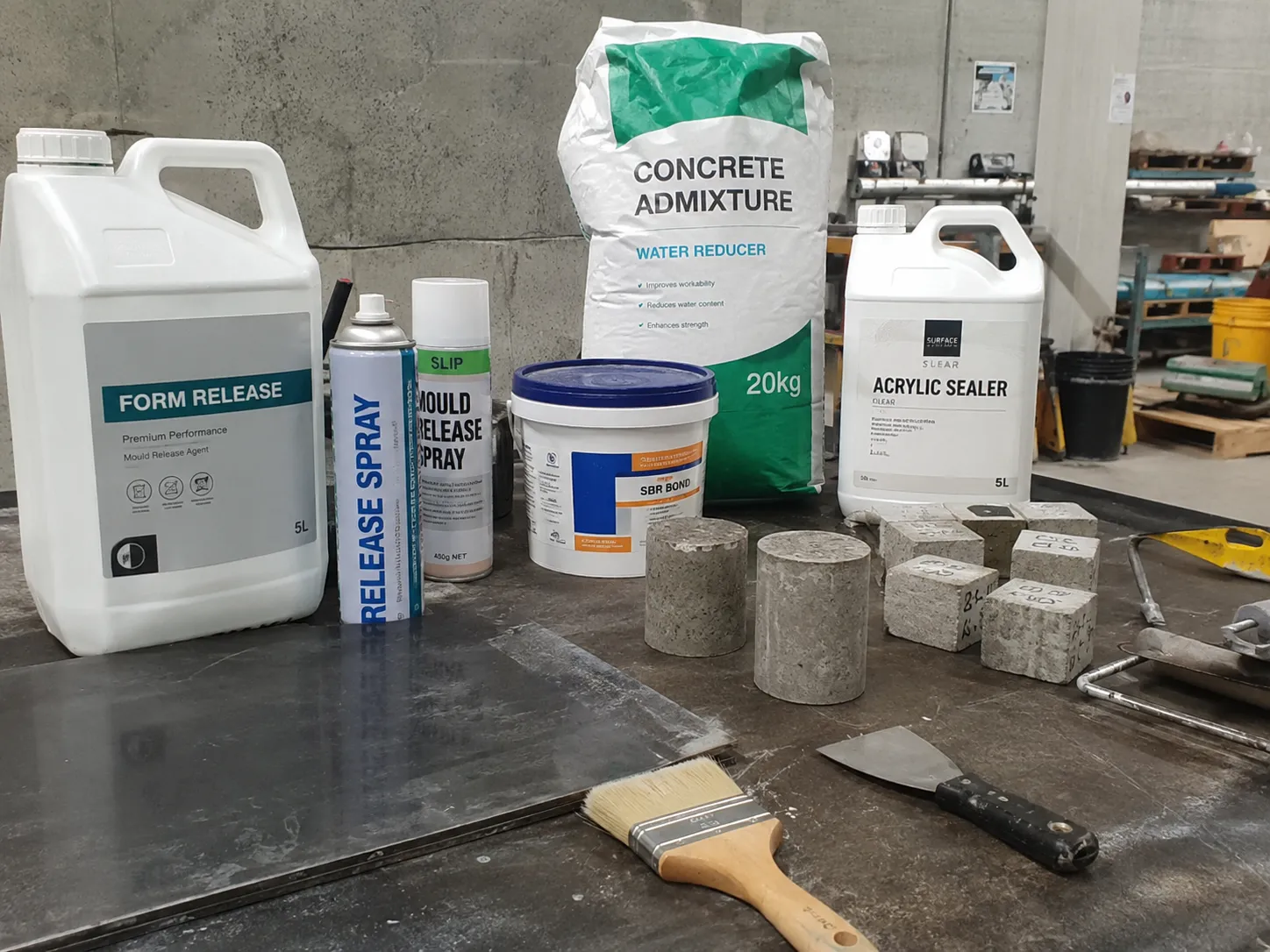
Mold Release & Construction Chemicals
Die-casting release agents, Rubber mold release agents, Composite mold release agents, Concrete form release agents, Water-based mold release agents, Solvent-based mold release agents, Accelerating admixtures, Foaming agents for lightweight concrete, Cement additives, Cement strength enhancers, Stone sealers and impregnators, Concrete floor hardeners, Dry-mix mortar
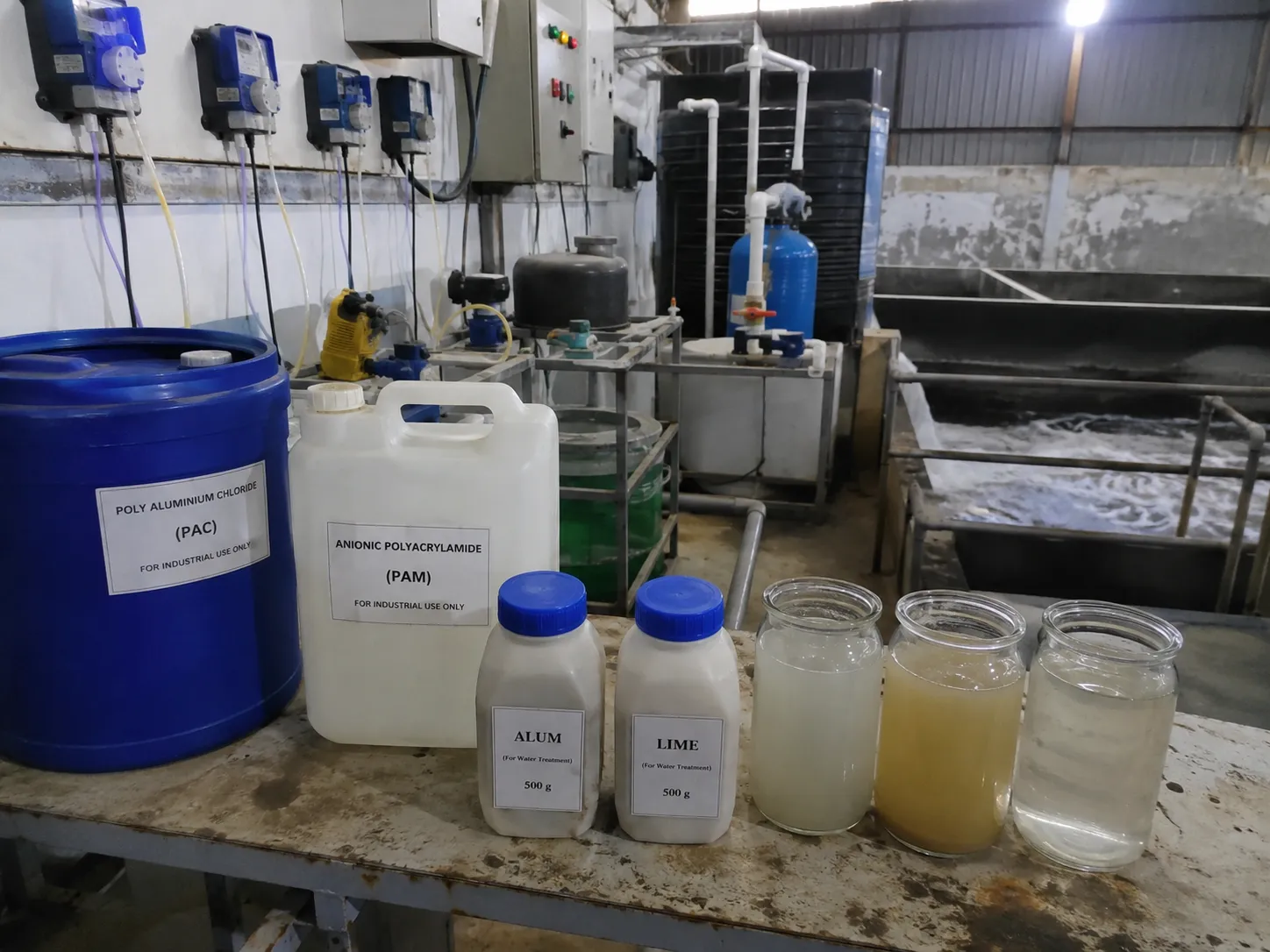
Water & Environmental Treatment Chemicals
Coagulants, Flocculants, Polyacrylamide flocculants, Cooling water treatment chemicals, Boiler water treatment chemicals, Wastewater treatment chemicals, Scale inhibitors, Corrosion inhibitors, Deposit-control agents, Flue gas desulfurization reagents, DeNOx reagents, Flue gas treatment chemicals