
Petrochemicals Analysis and Testing
Composition analysis, deformulation, hydrocarbon profiling, additive identification and process-problem investigation for petrochemical raw materials, solvents, intermediates, oilfield chemicals and refinery process products.
Xinbodi Laboratories develops customized analytical workflows according to the sample matrix and project objective. By combining sample separation, chromatography, spectroscopy, elemental analysis and technical interpretation, we help clients understand product composition, verify raw materials, compare suppliers, identify contaminants and investigate abnormal petrochemical products.
Petrochemicals We Analyze
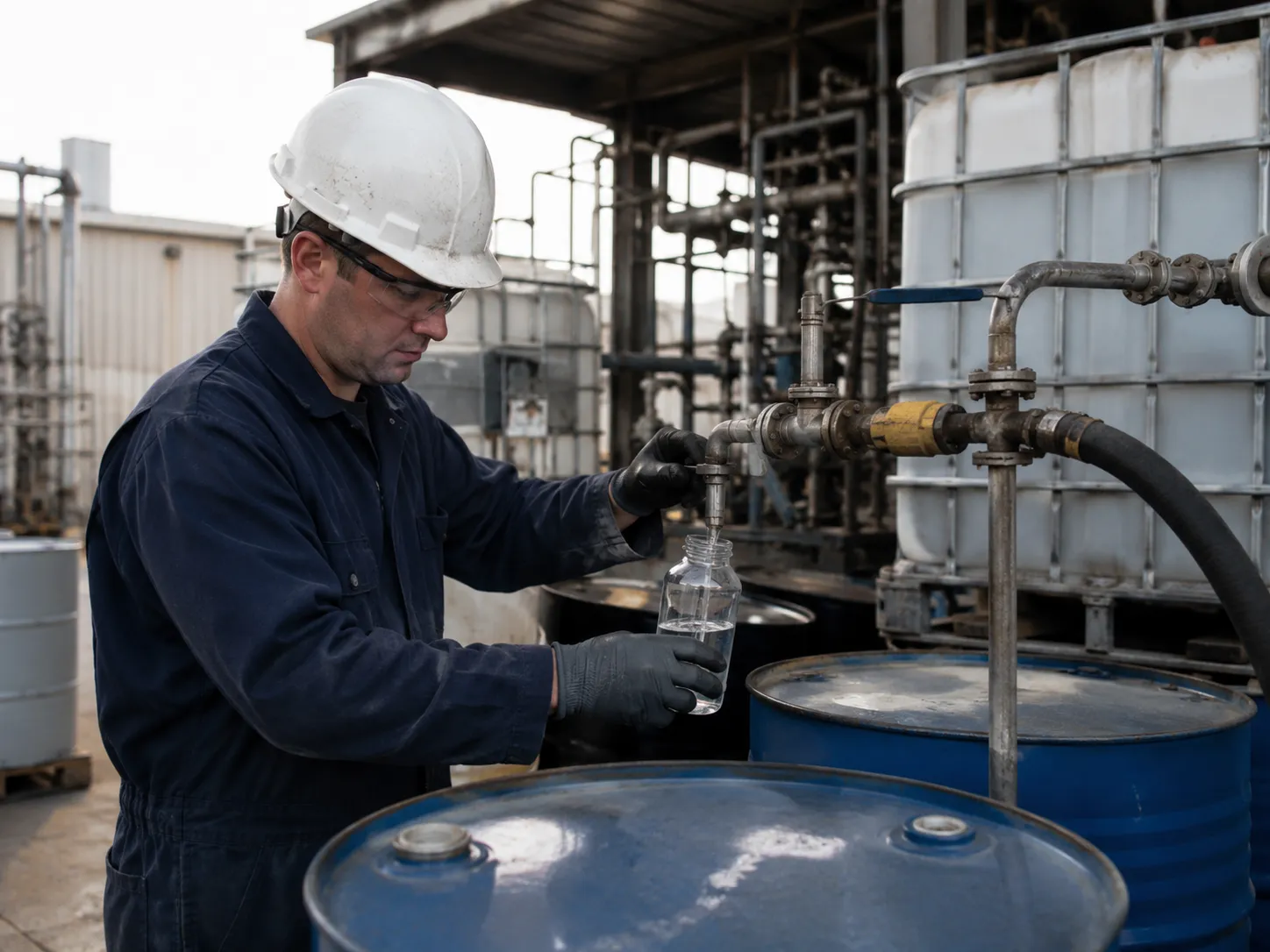
Hydrocarbon Solvents & Feedstocks
Hydrocarbon solvents, Aliphatic hydrocarbon solvents, Aromatic hydrocarbon solvents, Normal paraffins Isoparaffins, Naphthenes and naphthenic solvents, Olefins, Normal alpha olefins, Aromatic hydrocarbons, Petroleum ether, Solvent blends, Hydrocarbon carriers
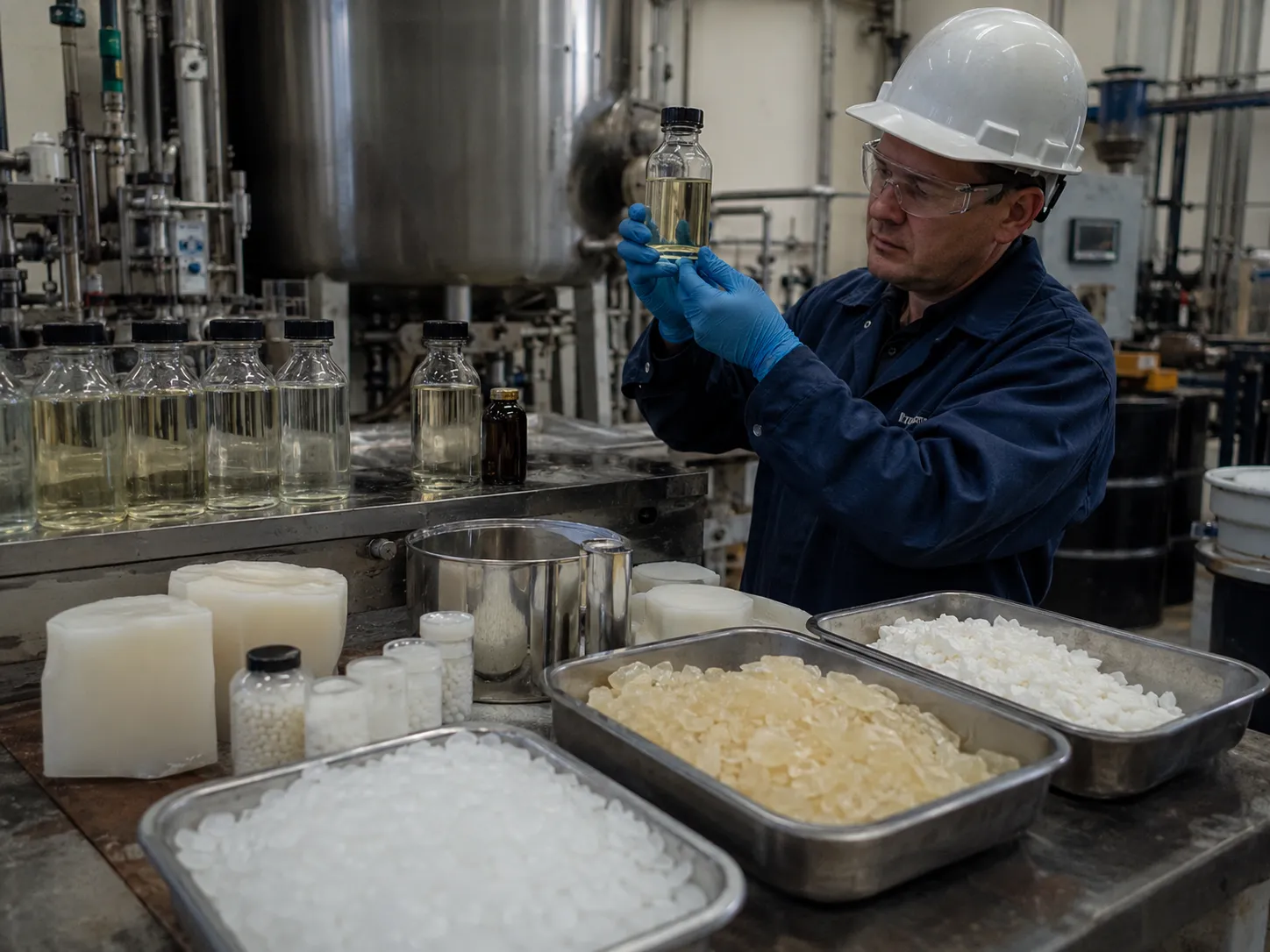
Petrochemical Intermediates, Waxes & Base Fluids
Petrochemical intermediates, Process oils, Base oils and base fluids, Synthetic hydrocarbon base fluids, Petroleum resins, Hydrocarbon resins, Paraffin waxes, Microcrystalline waxes, Fischer–Tropsch waxes, Alpha-olefin derivatives, Synthetic hydrocarbons
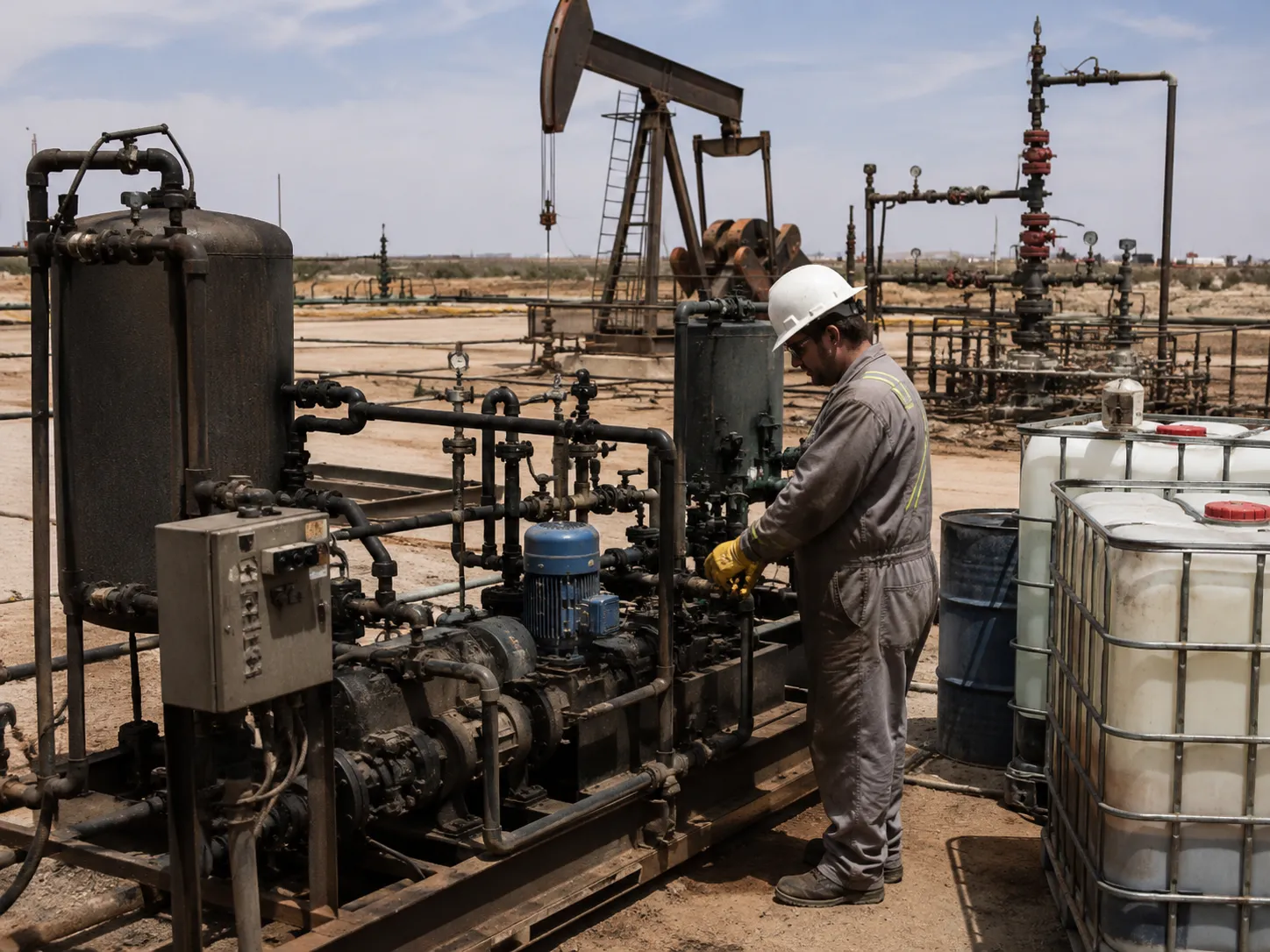
Oilfield & Production Chemicals
Production chemicals, Crude oil demulsifiers, Oilfield corrosion inhibitors, Oilfield scale inhibitors, Paraffin inhibitors, Asphaltene inhibitors and dispersants, Crude oil flow improvers, Pour point depressants, Oilfield defoamers, Hydrogen sulfide scavengers, Drilling fluid additives, Produced-water treatment chemicals
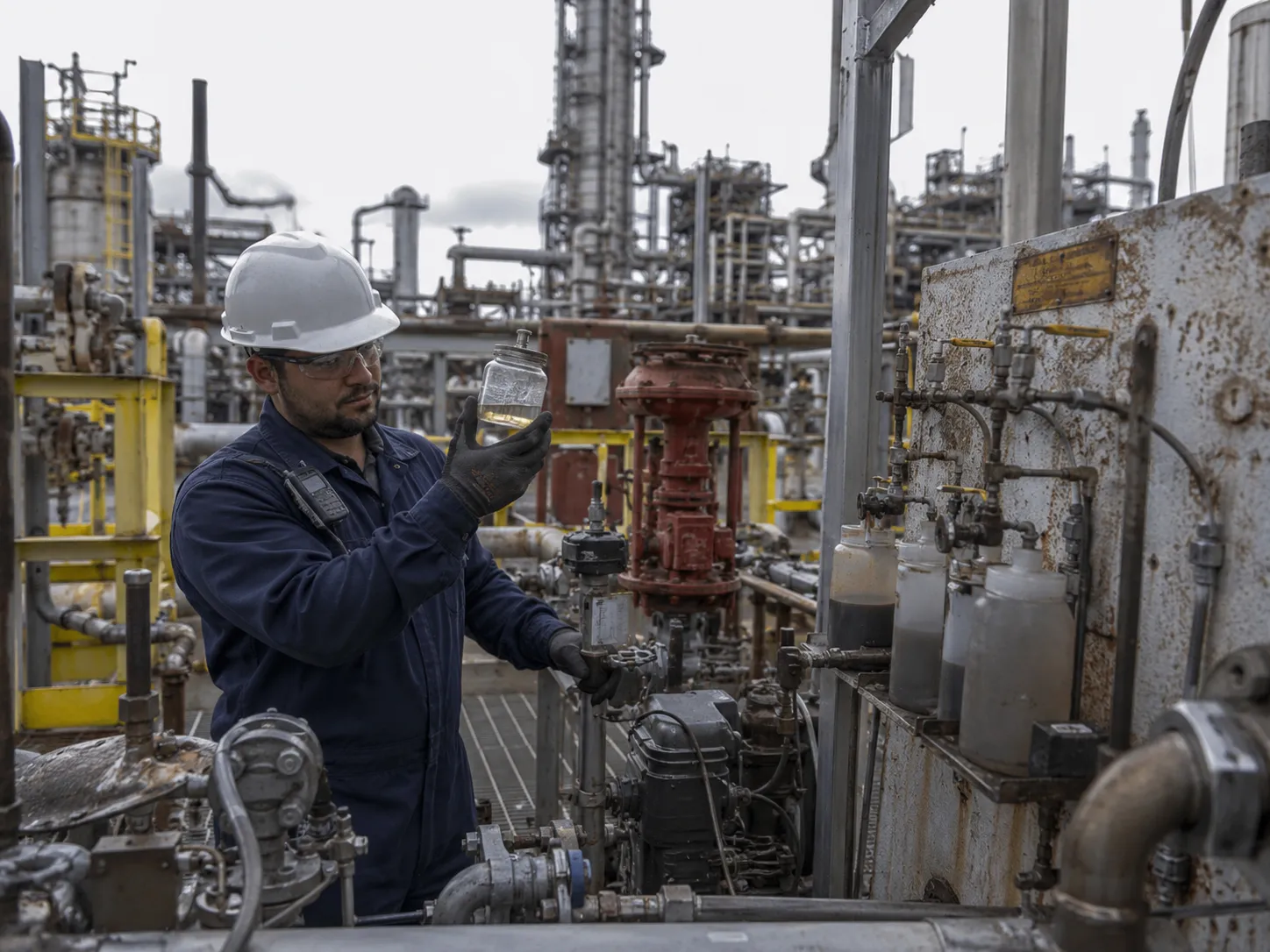
Refinery & Process Chemicals
Refinery process chemicals, Refinery demulsifiers, Desalting aids, Refinery corrosion inhibitors, Antifoulants, Refinery antioxidants, Process stabilizers, Process separation aids, Deposit-control additives, Catalyst treatment chemicals, Refinery cleaning chemicals, Fouling-control chemicals
Common Analysis Needs
Analyze oilfield chemicals, refinery process products and other formulated petrochemical products through sample separation, multi-method characterization and integrated data interpretation.
Our work may include:
- Major component identification
- Active chemical identification
- Solvent and carrier analysis
- Additive-system characterization
- Organic and inorganic composition
- Quantitative or semi-quantitative analysis
- Competitor product comparison
- Deformulation analysis
- Product reverse engineering support
- Formulation reconstruction recommendations
The results can support competitor research, product development, cost optimization, supplier replacement and local material substitution.
Characterize hydrocarbon solvents, feedstocks, process oils and complex solvent blends according to composition, chemical class and molecular distribution.
Typical analytical objectives include:
- Identification of major hydrocarbons
- Aliphatic and aromatic composition
- Normal paraffin and isoparaffin profiles
- Solvent blend comparison
- Carbon-range distribution
- Volatile and semi-volatile profiles
- Unexpected solvent identification
- Odor-related volatile screening
- Supplier and batch differences
The achievable level of identification depends on sample complexity, component overlap and available reference information.
Identify an unknown petrochemical raw material, intermediate or functional additive, or analyze a specified component according to the project objective.
Typical targets include:
- Petrochemical intermediates
- Hydrocarbon raw materials
- Demulsifier components
- Corrosion and scale inhibitors
- Flow improvers
- Antioxidants and stabilizers
- Solvents and carriers
- Specific organic additives
- Inorganic ions
- Metals and elemental impurities
Quantification may be provided when suitable methods and reference standards are available.
Compare petrochemical materials from different suppliers, production batches, product versions or operating conditions.
Typical projects include:
- Supplier-to-supplier comparison
- Batch-to-batch monitoring
- Target versus competitor product
- Original versus replacement material
- Imported versus locally sourced material
- Fresh versus aged product
- Normal versus abnormal sample
- Approved versus suspect raw material
The comparison may cover hydrocarbon profiles, active ingredients, solvent systems, additive packages, inorganic components, impurities and degradation products.
Identify unexpected substances in petrochemical raw materials, process products, pipelines, storage systems or production equipment.
Typical samples include:
- Unknown organic impurities
- Trace contaminants
- Catalyst residues
- Sludge and precipitates
- Wax and paraffin deposits
- Asphaltene-rich deposits
- Corrosion products
- Inorganic scales
- Equipment deposits
- Foreign particles
- Degradation products
- Unexpected metals or salts
The investigation may determine the material type, chemical composition and possible relationship to raw materials, operating conditions or chemical-treatment changes.
Investigate compositional and material differences associated with abnormal product behavior or production-process problems.
Typical issues include:
- Phase separation
- Sedimentation or sludge formation
- Abnormal odor or color
- Reduced demulsification performance
- Loss of corrosion or scale control
- Poor product stability
- Excessive fouling or deposits
- Increased viscosity
- Unexpected crystallization
- Supplier-related performance changes
- Storage degradation
- Process contamination
Xinbodi combines composition analysis, deposit characterization, comparative testing and technical interpretation to identify likely causes and define further verification steps.
Our Customized Analytical Workflow
1. Project and Sample Review
Review the product type, application, known formulation information, process history, comparison samples and the specific technical question.
2. Sample Separation and Pretreatment
Separate volatile and non-volatile fractions, organic and inorganic materials, soluble and insoluble components, or isolate deposits and precipitates where necessary.
3. Instrumental Characterization
Select complementary methods to analyze hydrocarbons, active ingredients, solvents, additives, ions, metals, crystalline phases and unknown substances.
4. Targeted Verification and Comparison
Use reference standards, approved materials, competitor samples or normal products to verify key components and compare meaningful differences.
5. Integrated Reporting
Provide analytical findings, supporting evidence, comparison conclusions and technical interpretation related to composition, suppliers, formulation or process conditions.
Testing Methods for Petrochemicals Analysis
Xinbodi selects analytical techniques according to the sample matrix, target component, expected concentration and project objective. Multiple methods may be combined for separation, identification, quantification and cross-verification.
- GC-MS
Hydrocarbon solvents, volatile and semi-volatile components, solvent blends, impurities, additives and degradation products. - GC-MS/MS
Targeted confirmation and quantification of trace volatile or semi-volatile compounds in complex petrochemical matrices. - Headspace GC-MS
Residual solvents, light hydrocarbons, odor-causing compounds and volatile formulation differences. - HPLC / LC-MS
Non-volatile active ingredients, polar additives, surfactants, corrosion inhibitors, stabilizers and degradation products. - FTIR / ATR-FTIR
Hydrocarbon type screening, functional group analysis, petroleum resins, additives, deposits and major organic components. - NMR
Molecular structure confirmation, hydrocarbon-type characterization, raw material identification and selected component-ratio estimation. - Py-GC-MS
Petroleum resins, polymeric active ingredients, high-molecular-weight additives and insoluble organic deposits. - GPC
Molecular weight and molecular weight distribution of petroleum resins, polymeric additives and selected hydrocarbon materials. - Ion Chromatography
Chloride, sulfate, nitrate, phosphate and other ionic components in production chemicals, deposits and process-related samples. - ICP-MS / ICP-OES
Trace metals, catalyst residues, elemental impurities, corrosion-related elements and inorganic contamination. - XRF
Elemental screening of deposits, catalyst-containing materials, scales and inorganic residues. - XRD
Crystalline phase identification in inorganic scale, corrosion products, catalyst residues and process deposits. - SEM-EDS
Deposit morphology, foreign particles, corrosion products, local contamination and elemental distribution. - TGA / DSC
Volatile content, organic–inorganic ratio, wax-related thermal transitions, decomposition behavior and material comparison.
Typical Questions We Help Answer
- What are the major components in this oilfield chemical formulation?
- What solvents and carriers are present in this product?
- Is this solvent predominantly paraffinic, isoparaffinic or aromatic?
- What is the active chemistry in this crude oil demulsifier?
- Are two supplier products compositionally equivalent?
- Why has a replacement production chemical performed differently?
- Can a specified additive or impurity be quantified?
- What caused an abnormal odor or color change?
- What is the composition of a pipeline or equipment deposit?
- Is a deposit mainly wax, asphaltene, inorganic scale or corrosion product?
- Are trace metals or catalyst residues present?
- Why has a formulated chemical separated during storage?
- Can a competitor petrochemical product be deformulated?
- Can the analysis support reverse engineering or formulation reconstruction?
- Does a locally sourced material match the imported reference product?
Standard projects: 5–10 working days
Rush service may be available depending on scope.
FAQs
What is petrochemical analysis?
Petrochemical analysis evaluates the chemical composition, hydrocarbon profile, additives, impurities and material characteristics of petrochemical raw materials, intermediates, solvents and formulated process chemicals.
Do you provide specification-based pass/fail reporting?
Yes—provide your acceptance limits and any preferred standards or internal methods.
What if I don’t know what the contaminant is?
We can run a structured unknown-ID workflow using orthogonal tools (GC-MS/LC-MS/FTIR/Raman + ICP/IC as needed).
Can you help investigate fouling/deposits?
Yes. We identify whether residues are organic/inorganic, characterize particles, and help differentiate process-derived material vs external contamination.
How important is a reference sample?
Very. A known-good stream or “before change” sample makes conclusions faster and more defensible.
Can you support catalyst-poisoning investigations?
Often yes (project-dependent). Trace metals/ions screening plus comparative stream analysis can help identify likely sources.