Food
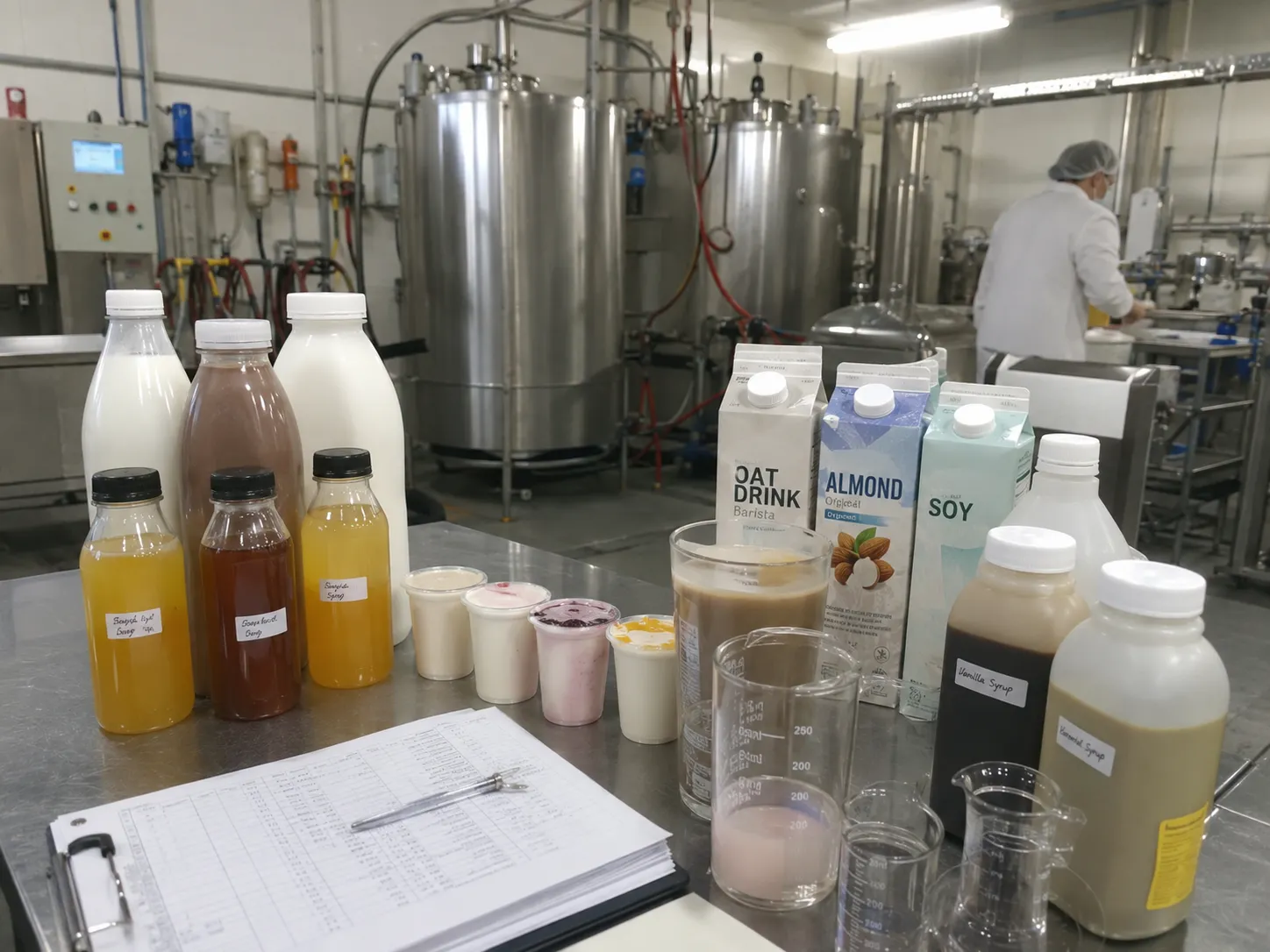
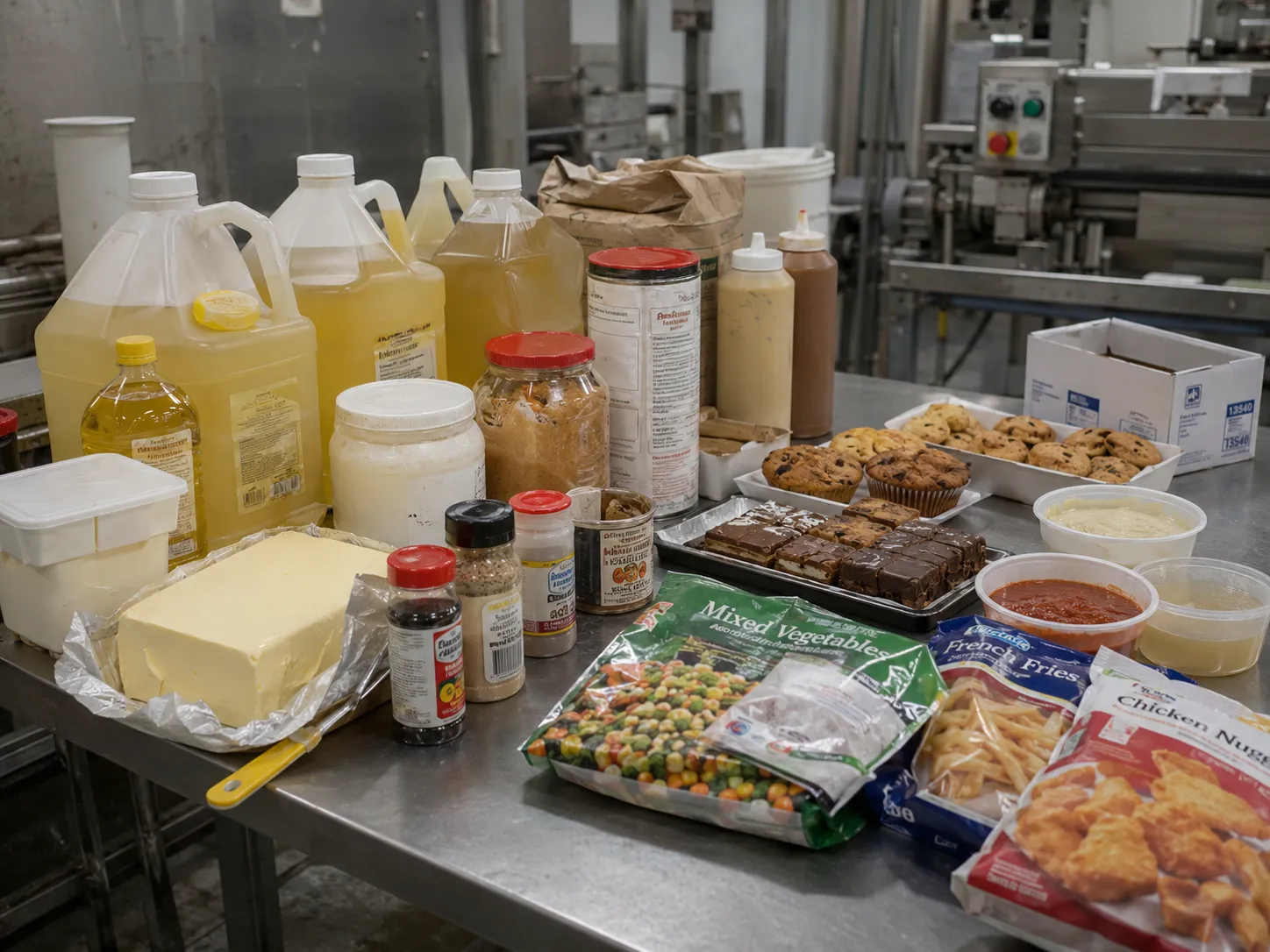
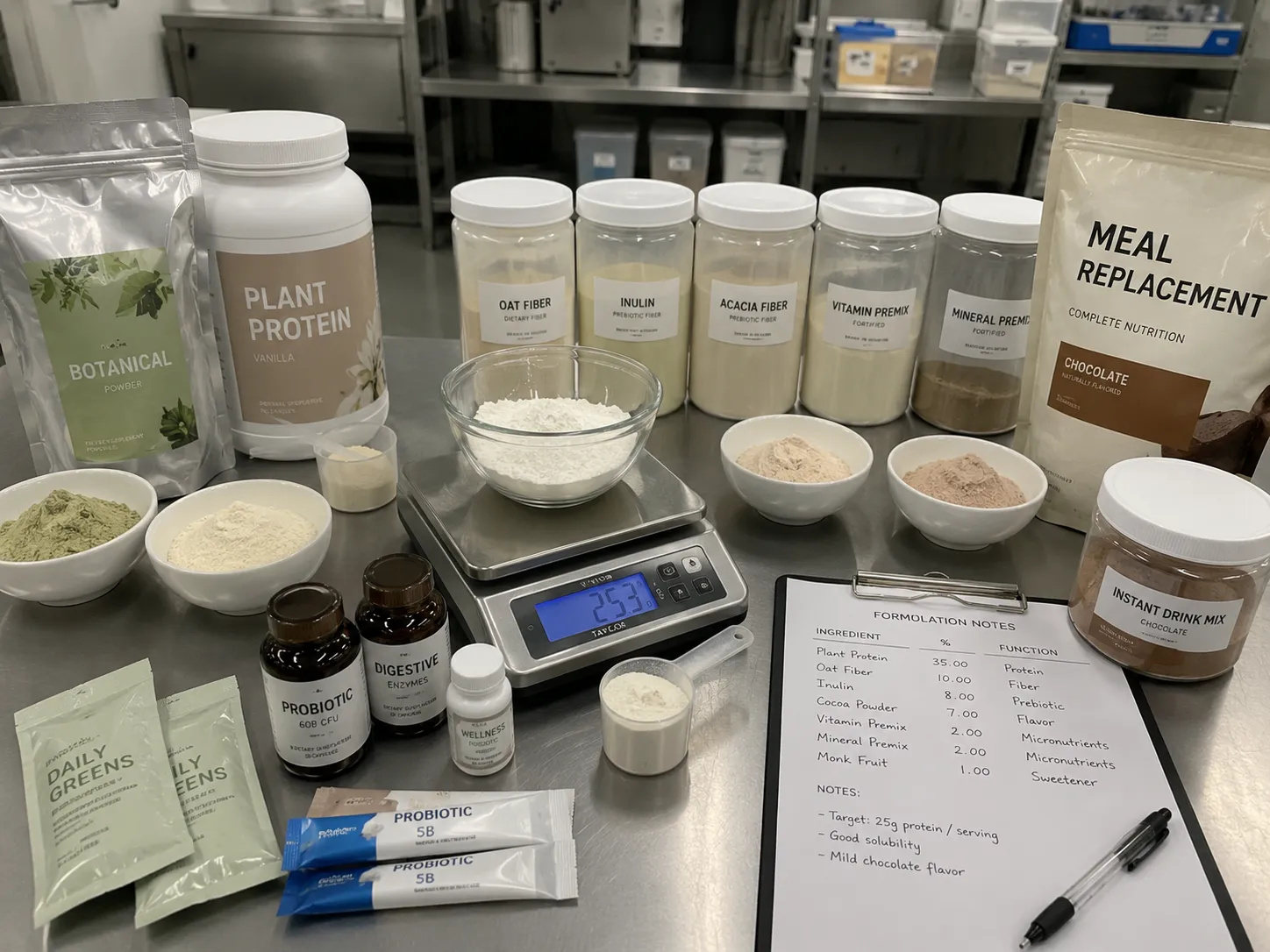
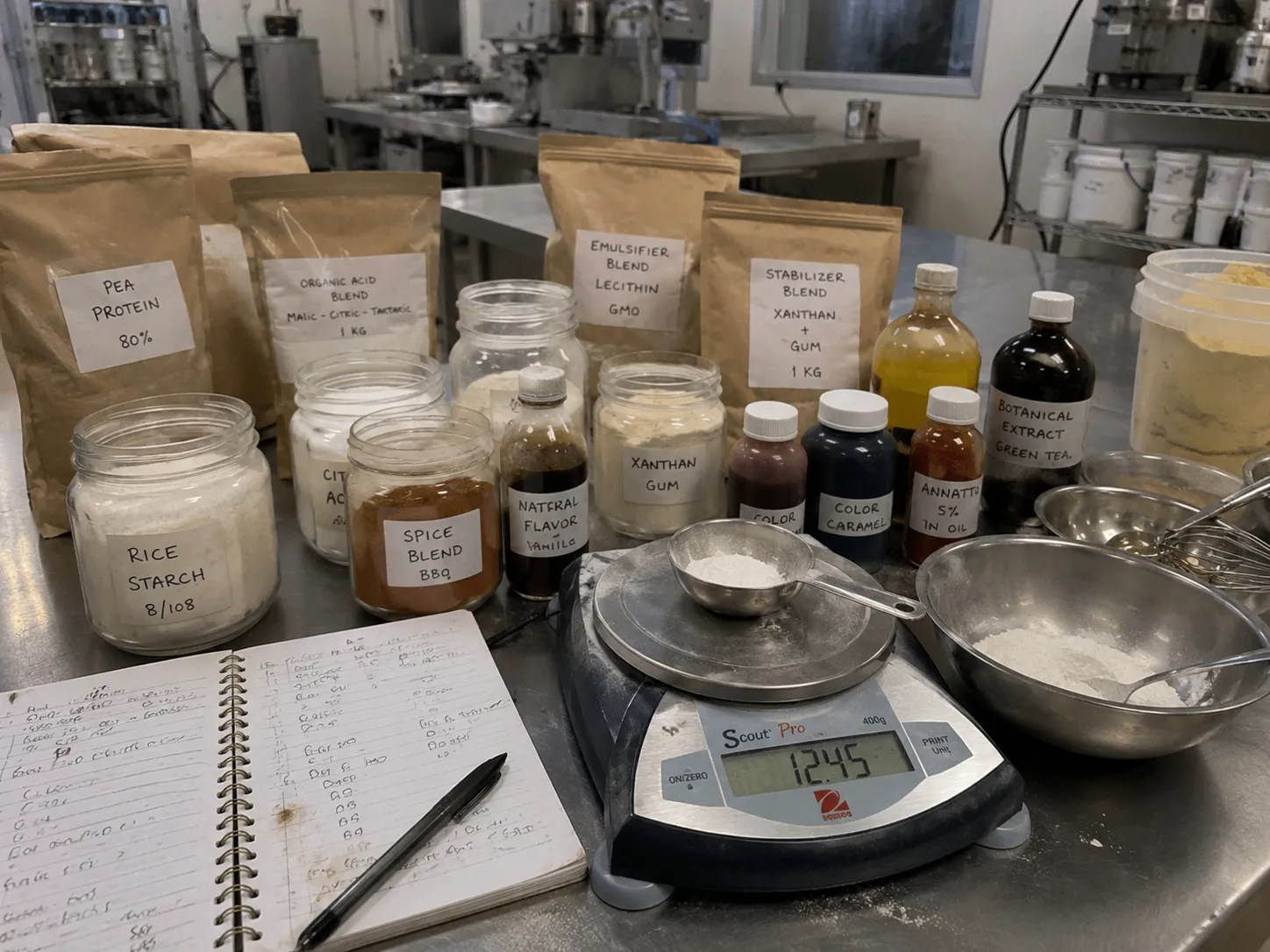
Food products require consistent quality, safety, and sensory performance across complex supply chains. They are widely produced and consumed across beverages, dairy, bakery, confectionery, oils and fats, processed foods, nutraceutical-style products (project-dependent), and specialty ingredients. Small changes in raw materials, processing, storage, or packaging interactions can lead to noticeable differences in flavor/aroma, appearance, stability, texture, and shelf-life performance.
We provide analytical testing and materials characterization for ingredients, raw materials, finished foods, and food-contact / packaging-related investigations (project-dependent), supporting R&D, supplier qualification, incoming QC, batch release support, and root-cause investigations. Our multi-technique approach delivers clear, decision-ready results—especially for “what changed?” comparisons and unknown identification.
Why Testing Matters in Food
Food quality and shelf stability are sensitive to chemistry and processing. Testing typically focuses on:
Composition and batch consistency (ingredients and key markers)
Off-odor / off-flavor investigations (volatile contributors, contamination pathways)
Discoloration and appearance changes (oxidation, impurities, process changes)
Haze, sediment, crystallization, or phase separation (stability and formulation balance)
Trace metals/ions and inorganic contamination (quality risk, processing interactions)
Foreign material identification (root-cause and prevention actions)
Packaging interaction questions (project-dependent) (odor transfer, residue sources)
Our lab combines volatile analysis, molecular identification, and elemental/particle tools to provide practical conclusions and next steps.
FAQs
Can you identify what causes off-odor/off-flavor?
Often yes (matrix-dependent). HS-GC/MS comparison to a reference lot is a common, effective starting point.
Do you need a reference/control sample?
Strongly recommended. Side-by-side comparisons provide faster and more defensible conclusions.
Can you identify foreign particles or sediments?
Yes. SEM-EDS + FTIR/Raman (and XRD when needed) are commonly used to identify particle composition and likely sources.
Can you test trace metals or ions in foods?
Yes, depending on matrix and required limits. We’ll recommend the best method (ICP-MS/ICP-OES/IC) based on your need.
Can you evaluate packaging-related issues?
Yes (project-dependent). We can assess volatile profiles and residues to support odor transfer or contact-related investigations.