
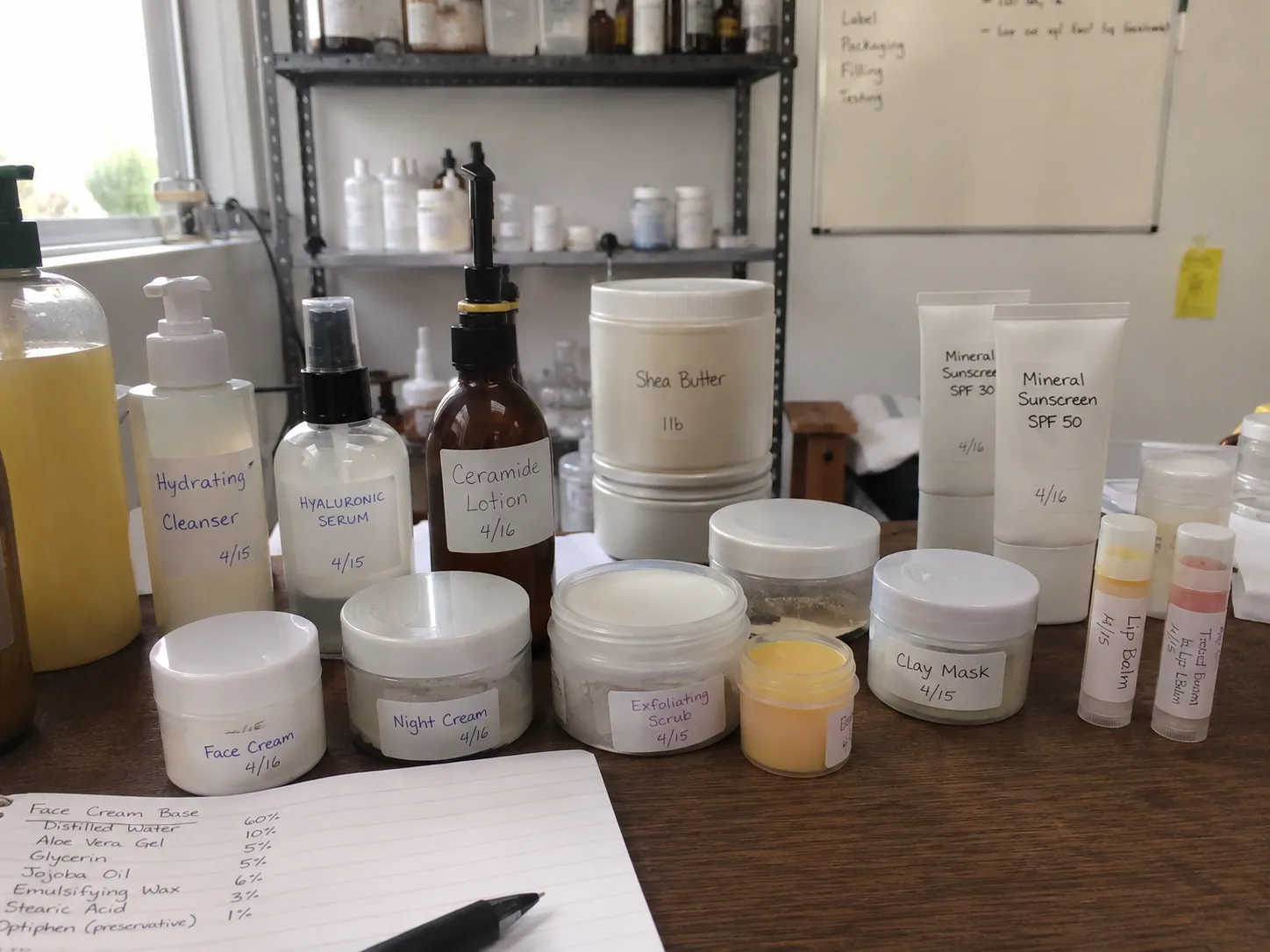
Skin Care & Sun Care Products
Facial creams, Moisturizing lotions, Facial serums, Toners and essences, Eye creams, Facial masks, Body lotions, Hand creams, Cosmetic oils, Sun care products, After-sun products, Lip care products
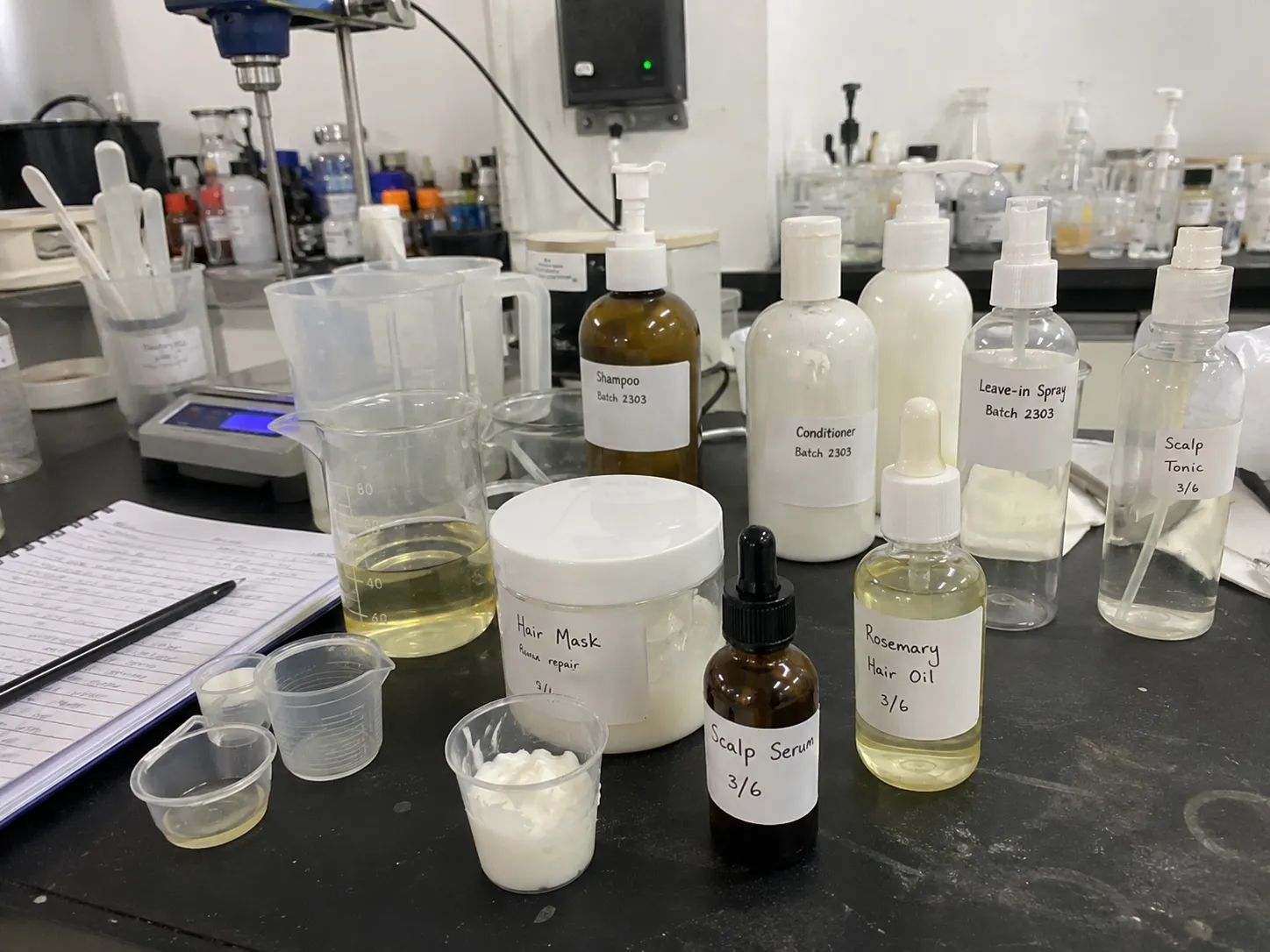
Hair & Scalp Care Products
Shampoos, Hair conditioners, Hair masks, Hair serums, Hair oils, Scalp care products, Leave-in conditioners, Hair styling products, Hair sprays, Hair gels, Hair colorants, Permanent-wave formulations
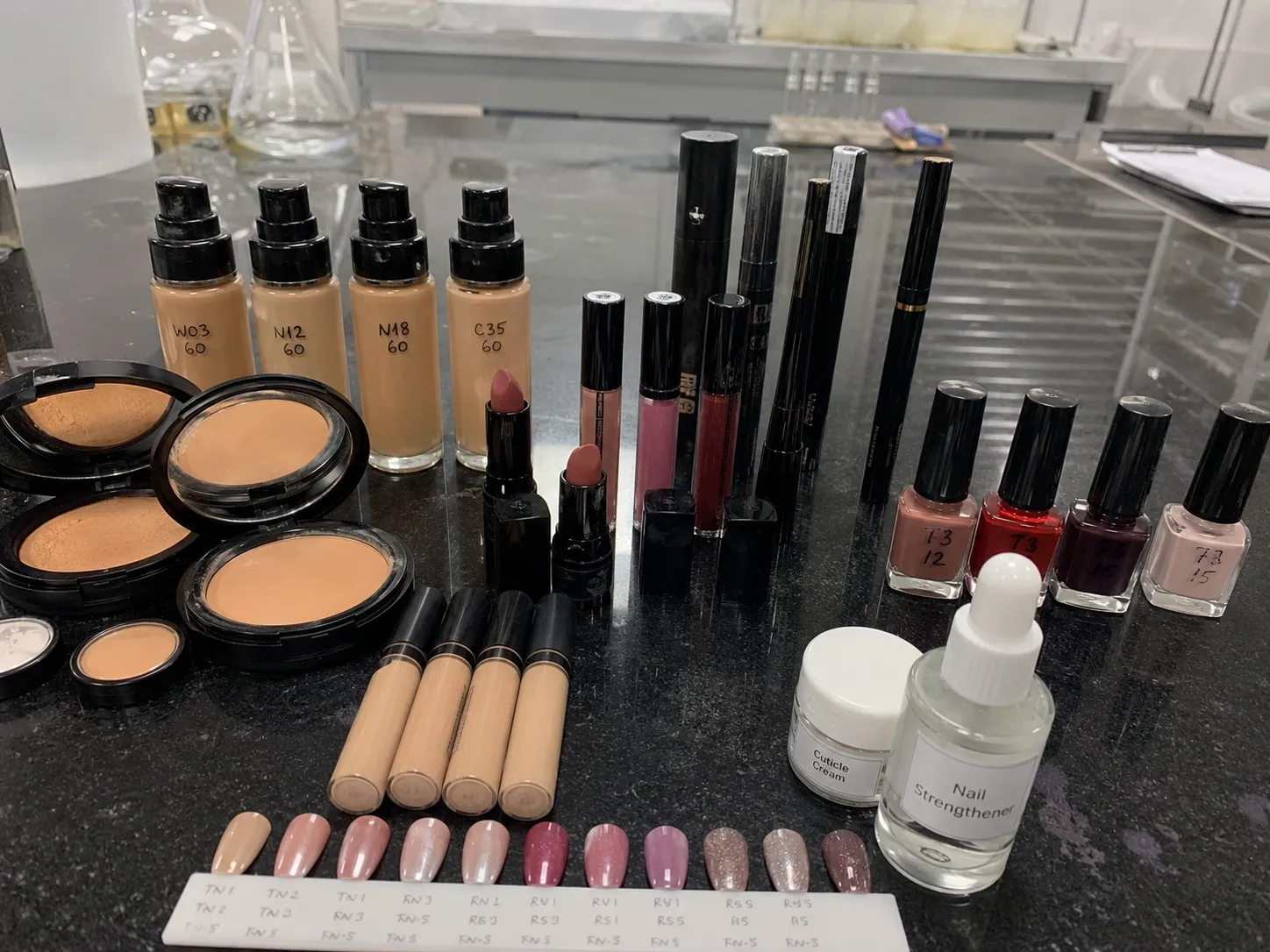
Color Cosmetics & Nail Products
Liquid foundations, Powder foundations, Concealers, Face powders, Blushes, Eye shadows, Mascaras, Eyeliners, Lipsticks, Lip glosses, Nail polishes, Nail care formulations
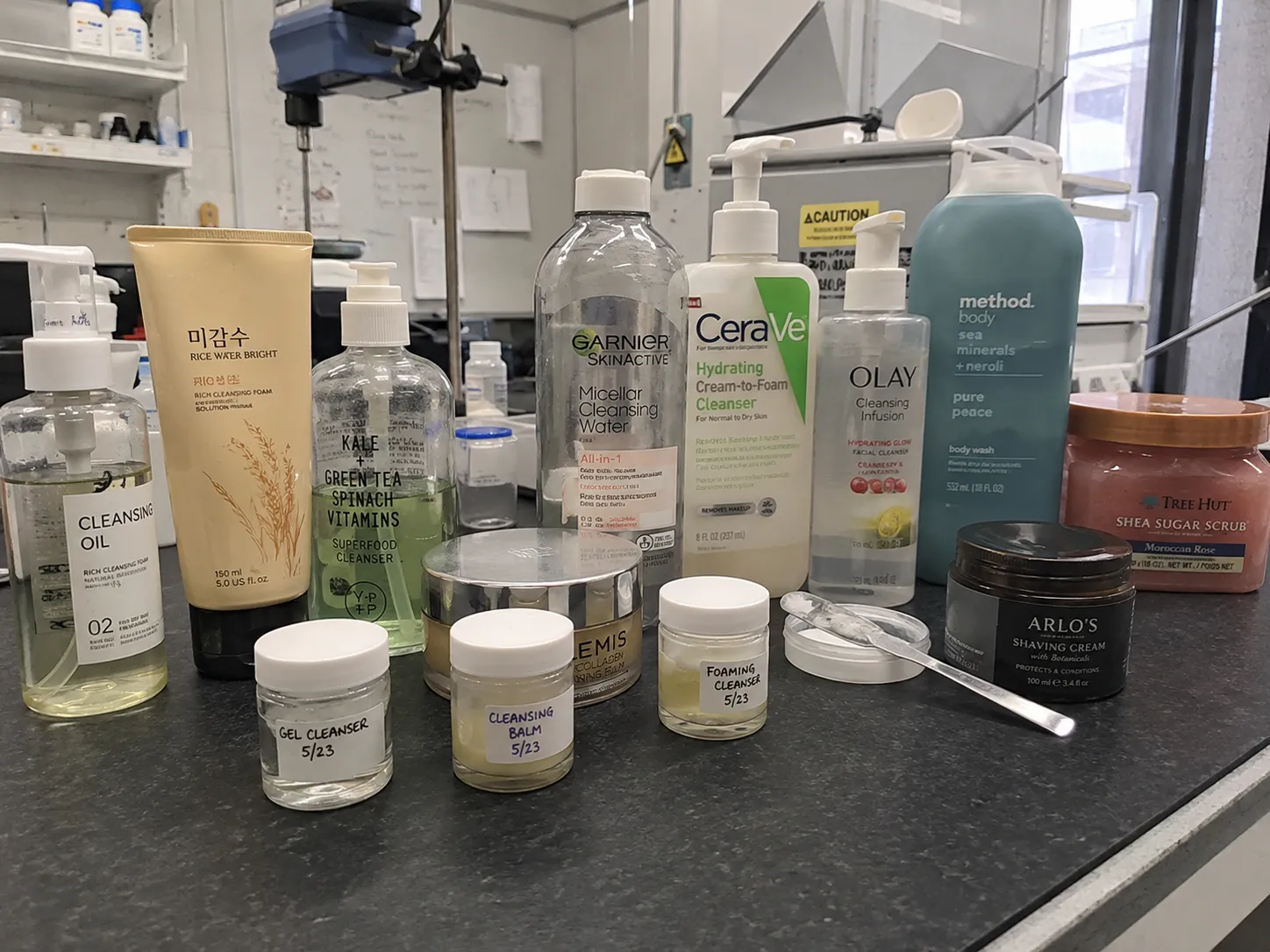
Cleansing, Bath & Personal Care Products
Facial cleansers, Cleansing oils, Cleansing balms, Makeup removers, Body washes, Shower gels, Liquid soaps, Hand cleansers, Bath products, Body scrubs, Shaving products, Intimate care formulations
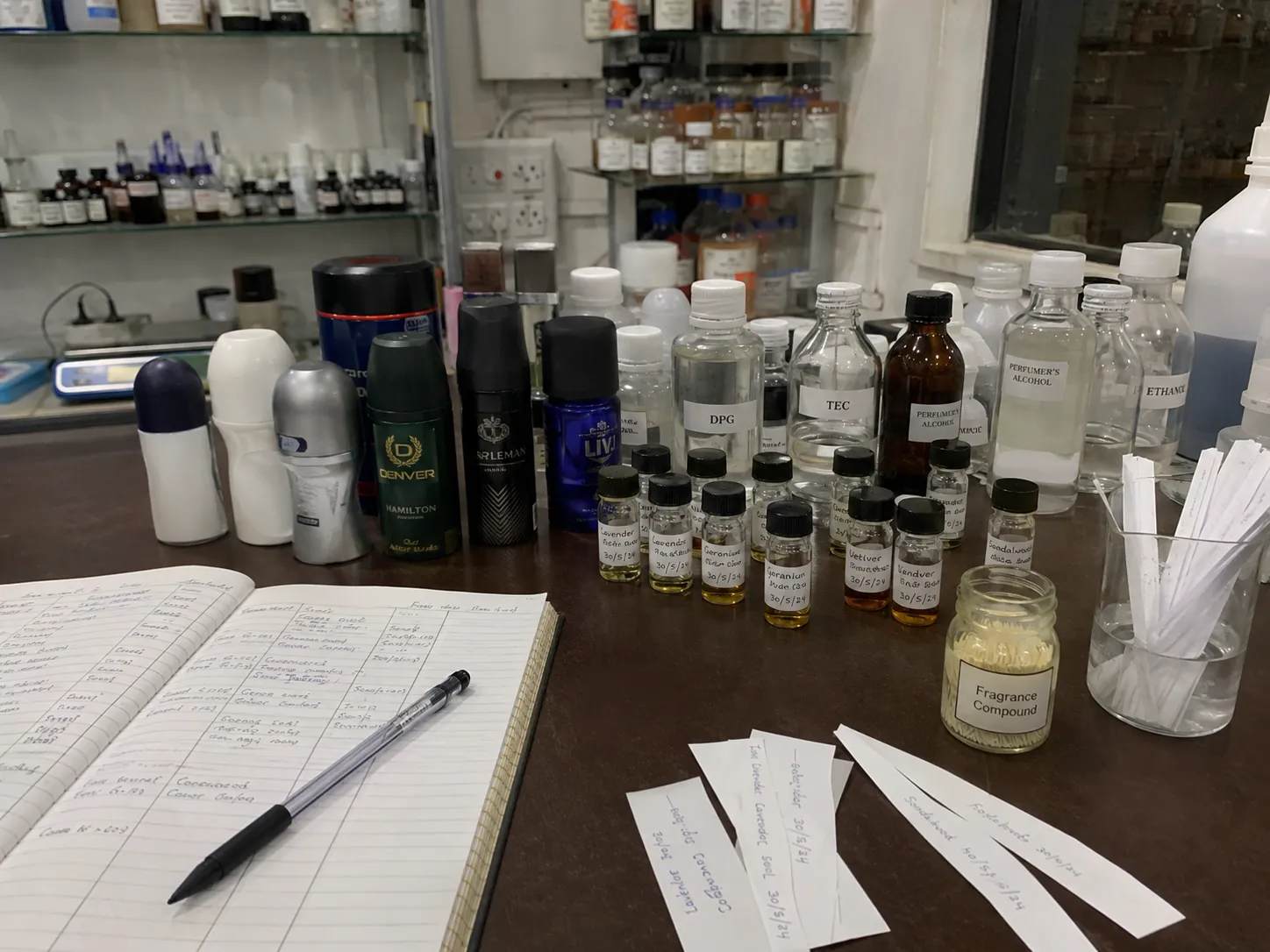
Fragrances & Deodorant Products
Fine fragrances, Eau de parfum, Eau de toilette, Body sprays, Fragrance oils, Perfume concentrates, Deodorant products, Roll-on deodorants, Fragrance mists, Scented personal care products
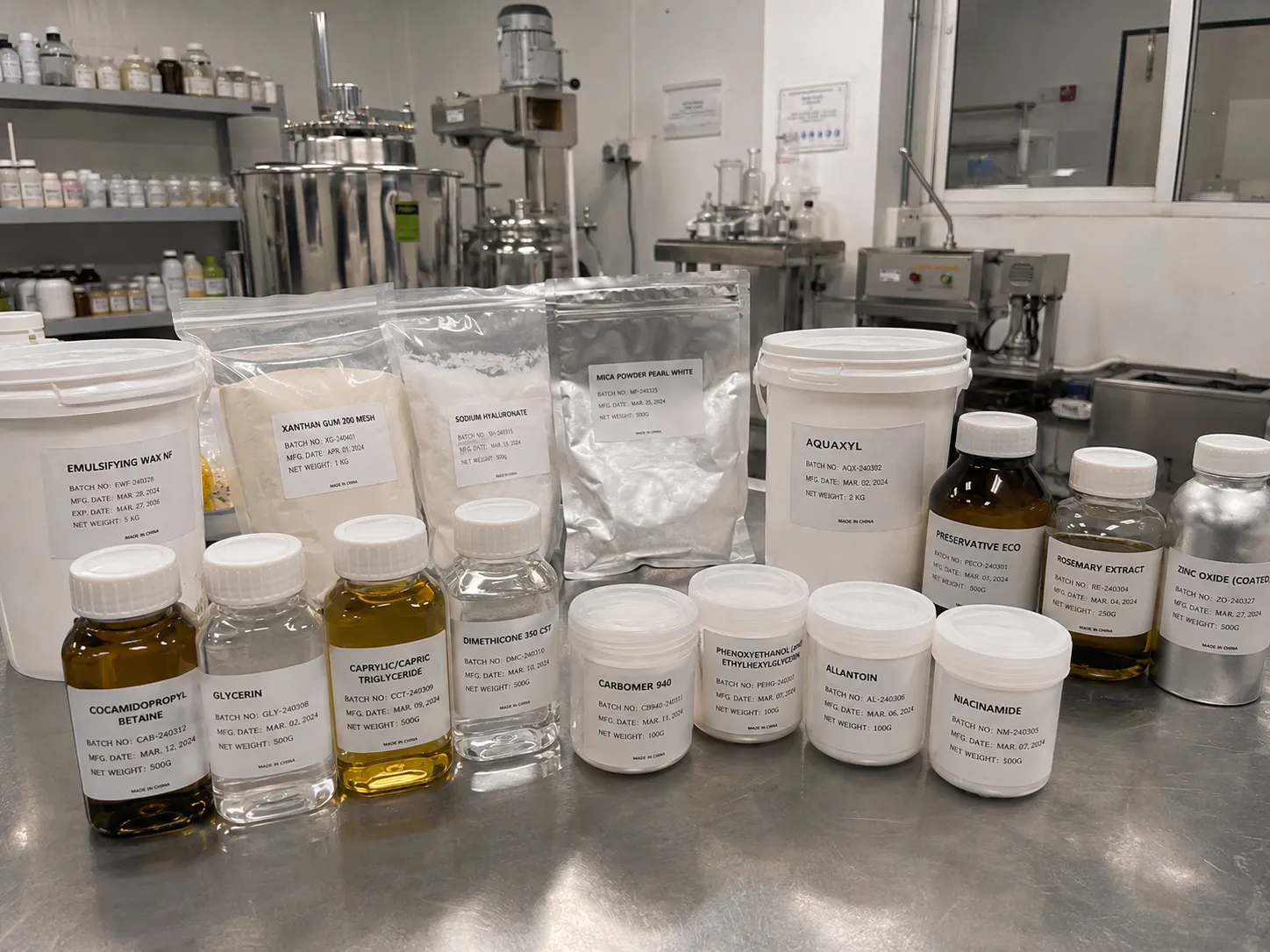
Cosmetic Raw Materials & Functional Ingredients
Surfactants, Emulsifiers, Emollients, Cosmetic oils and esters, Silicones, Thickeners and rheology modifiers, Preservatives, Antioxidants, Chelating agents, Humectants UV filters, Colorants and pigments, Fragrance ingredients, Botanical extracts, Functional active ingredients