
What Is Formula Analysis Service?
In manufacturing and product development, formula analysis involves identifying and quantifying the exact ingredients of a material or product sample.
Modern industries rely heavily on chemical formulations. Adhesives, coatings, lubricants, cleaning agents, agricultural chemicals, polymers, rubber compounds, and specialty additives all contain complex combinations of raw materials. Understanding these formulations is often critical for innovation and quality control.
Through advanced analytical testing, laboratories can identify unknown substances, determine major and trace components, and establish the relationship between formulation design and product performance.
Why Companies Need Formula Analysis
Many businesses seek formula analysis services when facing technical or commercial challenges:
Competitive Product Benchmarking
Manufacturers frequently analyze competitor products to understand formulation strategies, ingredient selection, performance-enhancing additives and formula reverse engineering.
Product Improvement
Formula analysis helps identify opportunities to optimize raw material selection, reduce production costs, and improve product performance.
Quality Problem Investigation
Unexpected product failures, contamination, or batch inconsistencies often require a detailed chemical investigation to identify the root cause.
Supply Chain Localization
When imported raw materials become unavailable or too expensive, formula analysis can help manufacturers identify alternative suppliers and substitute materials. Based in Shanghai, we help global manufacturers compare supplier samples, evaluate China-based alternatives, and make informed sourcing decisions.
Reverse Engineering
Companies developing equivalent or improved products often require a detailed understanding of an existing formulation before beginning R&D work.
How Formula Analysis Is Performed
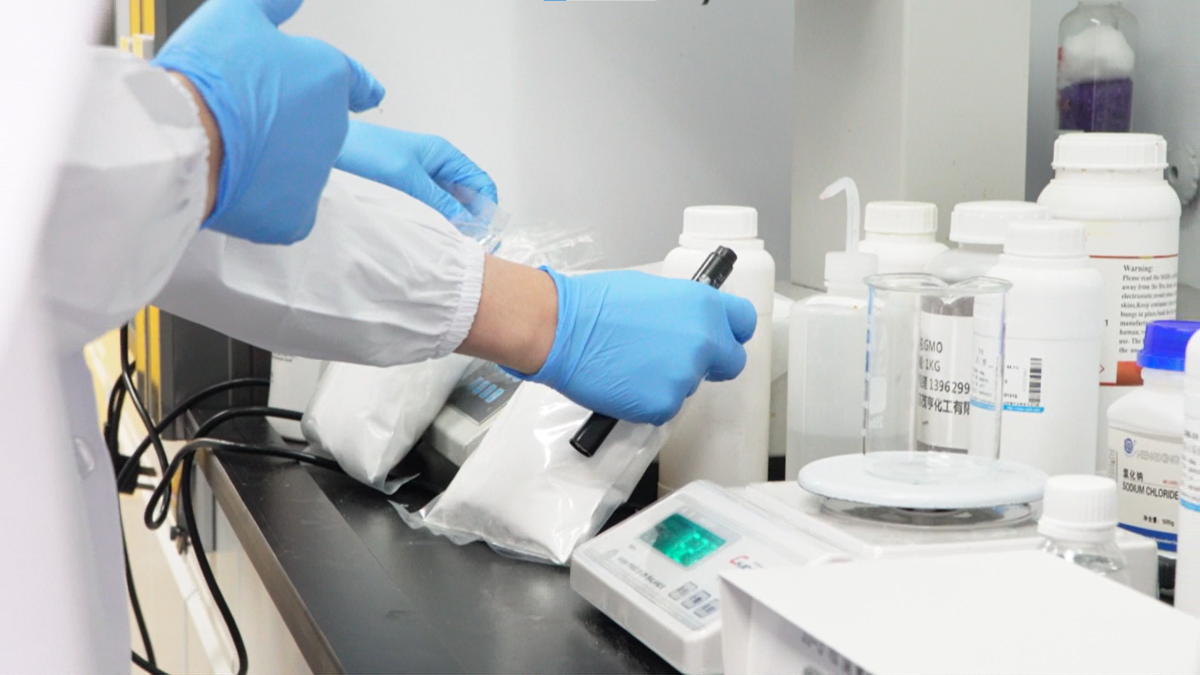
Sample Characterization
The laboratory first evaluates the physical properties of the sample, including:
- Appearance
- Color
- Odor
- Density
- Viscosity
- Thermal behavior
Chemical Composition Identification
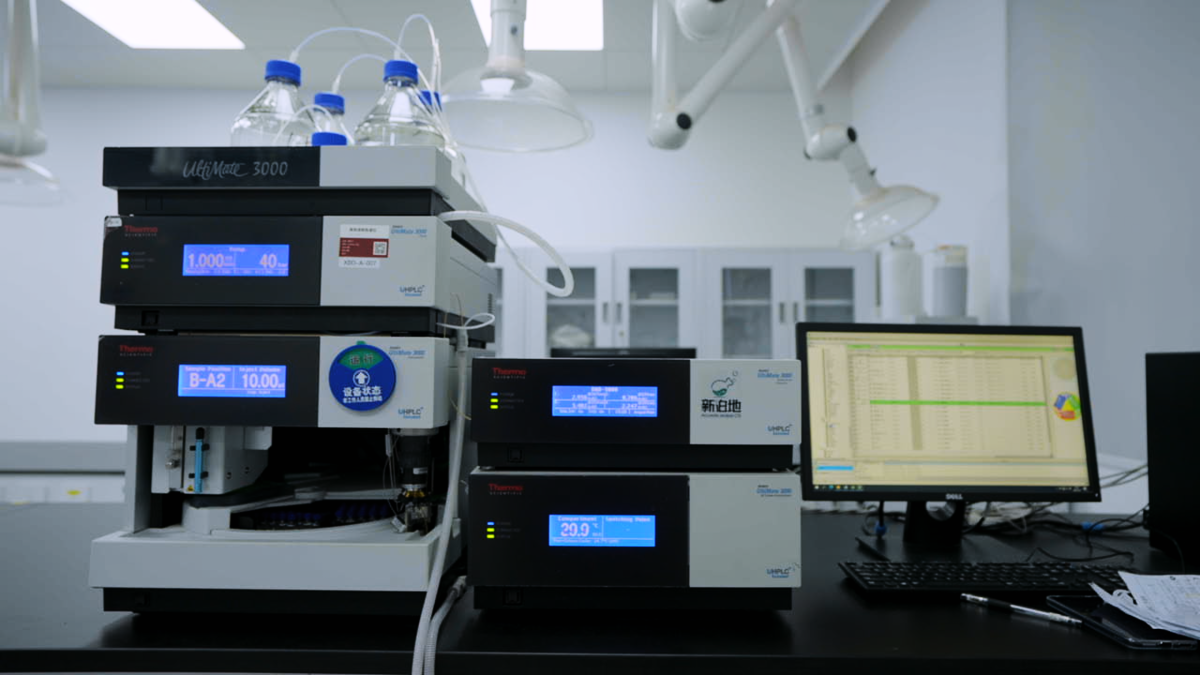
Advanced instruments are then used to identify chemical components.
Common analytical techniques include:
Gas Chromatography-Mass Spectrometry (GC-MS)
Used for identifying volatile and semi-volatile organic compounds such as solvents, surfactants, and additives.
Fourier Transform Infrared Spectroscopy (FTIR)
Used for rapid identification of polymers, resins, and functional groups.
Liquid Chromatography-Mass Spectrometry (LC-MS)
Suitable for non-volatile compounds, specialty additives, and complex organic materials.
Inductively Coupled Plasma Spectroscopy (ICP)
Used to determine metallic elements and inorganic components.
Thermal Analysis
Techniques such as DSC and TGA help evaluate thermal stability, composition ratios, and polymer characteristics.
Data Interpretation
Instrument data alone is not sufficient. Experienced analysts interpret the results, correlate chemical findings with product performance, and reconstruct the likely formulation framework.
This stage often determines the overall accuracy of a formula analysis project.
Why Choose Xinbodi Laboratories
Fast Response & Efficient Turnaround
Get a response within 24 hours, with technical director support and results for many projects delivered in about 7-10 working days after sample receipt.
Advanced Lab Capacity & Testing Methods
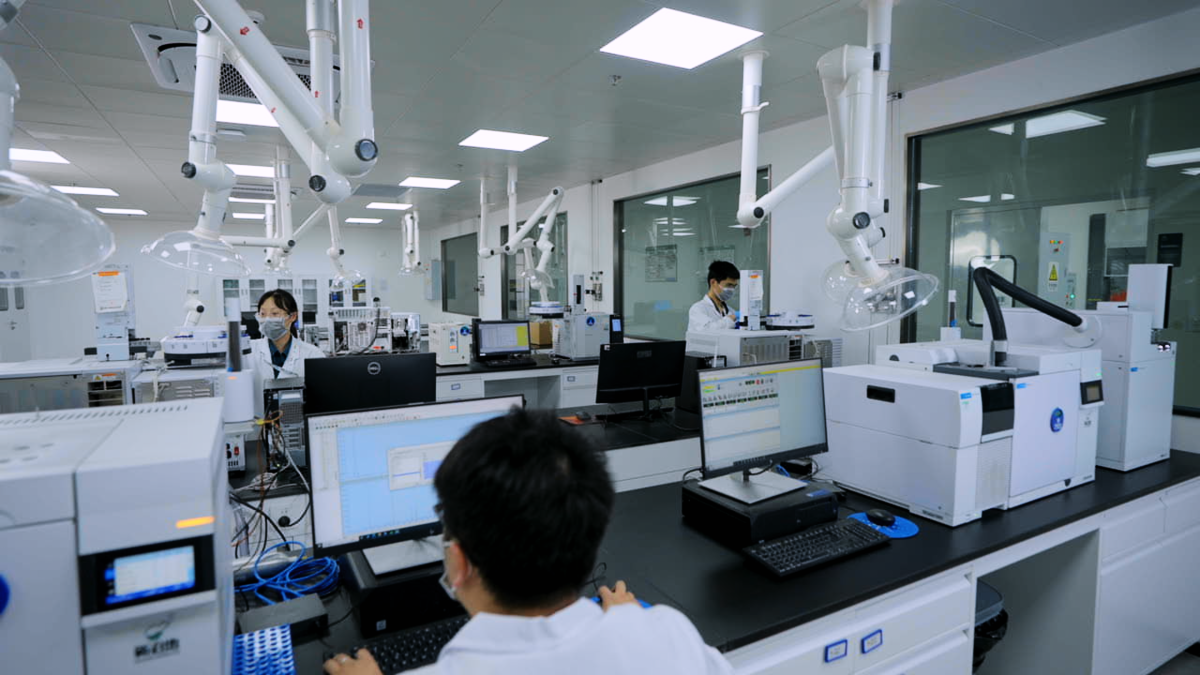
Backed by 4,000+m² R&D labs, 100+ precision instruments, and 60,000+ sample orders, we apply multi-method analysis to complex chemical and material samples.
High-Accuracy Formulation Reconstruction
For suitable deformulation and formulation reconstruction projects, internal experience shows reconstruction accuracy can exceed 90%, depending on sample complexity.
Beyond Testing: R&D Support
We turn test data and componet analysis into formulation insights, failure diagnosis, raw material guidance, and next-step technical recommendations to help reduce cost and improve development efficiency.
China Supply Chain Advantage
Based in Shanghai, we help global manufacturers compare supplier samples, evaluate China-based alternatives, and make informed sourcing decisions.
Confidential Project Handling
We protect proprietary formulations, samples, supplier information, and IP-sensitive data throughout the testing and reporting process.
Industries That Benefit from Formula Analysis Services
Formula analysis is widely used across industrial sectors.
Adhesives and Sealants
- Epoxy adhesives
- Polyurethane systems
- Acrylic adhesives
- Silicone sealants
Cleaning Chemicals
- Industrial degreasers
- Metal cleaning agents
- Surface treatment chemicals
- Household cleaning products
Polymer and Rubber Materials
- Engineering plastics
- Elastomers
- Composite materials
- Functional masterbatches
Coatings and Surface Treatments
- Protective coatings
- Anti-corrosion systems
- UV coatings
- Functional paints
Agricultural Chemicals
- Fertilizers
- Plant growth regulators
- Pesticide formulations
- Adjuvant systems
Challenges in Formula Analysis
Many industrial formulations contain dozens of ingredients, some present at extremely low concentrations.
Several factors increase analytical complexity:
- Proprietary additive packages
- Trace-level functional ingredients
- Multi-component polymer systems
- Complex emulsions and dispersions
- Degradation products formed during use
Accurate formula analysis therefore depends not only on laboratory equipment but also on extensive industry experience and a robust analytical database.
Frequently Asked Questions
Can formula analysis identify all ingredients in a product?
In most cases, major components and many functional additives can be identified using advanced analytical techniques such as GC-MS, FTIR, LC-MS, ICP, and thermal analysis. For suitable deformulation and formulation reconstruction projects, internal experience shows reconstruction accuracy can exceed 90%, depending on sample complexity.
How long does a formula analysis project take?
Project timelines vary depending on sample complexity and analytical requirements. Most projects can be completed within 7-10 workdays in Xinbodi lab. Expedited testing may be available for urgent projects.
How much does formula analysis cost?
The cost of formula analysis depends on the material type, formulation complexity, testing scope, and analytical methods required. To receive an accurate quotation, simply send us information about your sample and project objectives. Our technical team will review the requirements and provide a customized quotation within 24 hours.