
Aerospace Materials Analysis and Testing
Aerospace Materials We Analyze
Material identification, composition analysis, surface characterization and failure investigation for aerospace composites, polymers, adhesives, coatings, alloys and unknown materials.
Xinbodi Laboratories develops customized analytical workflows according to the material type and technical objective. By combining chemical analysis, microscopy, surface analysis, elemental characterization and thermal analysis, we help aerospace manufacturers and suppliers verify materials, compare samples, identify contamination and investigate material-related abnormalities.
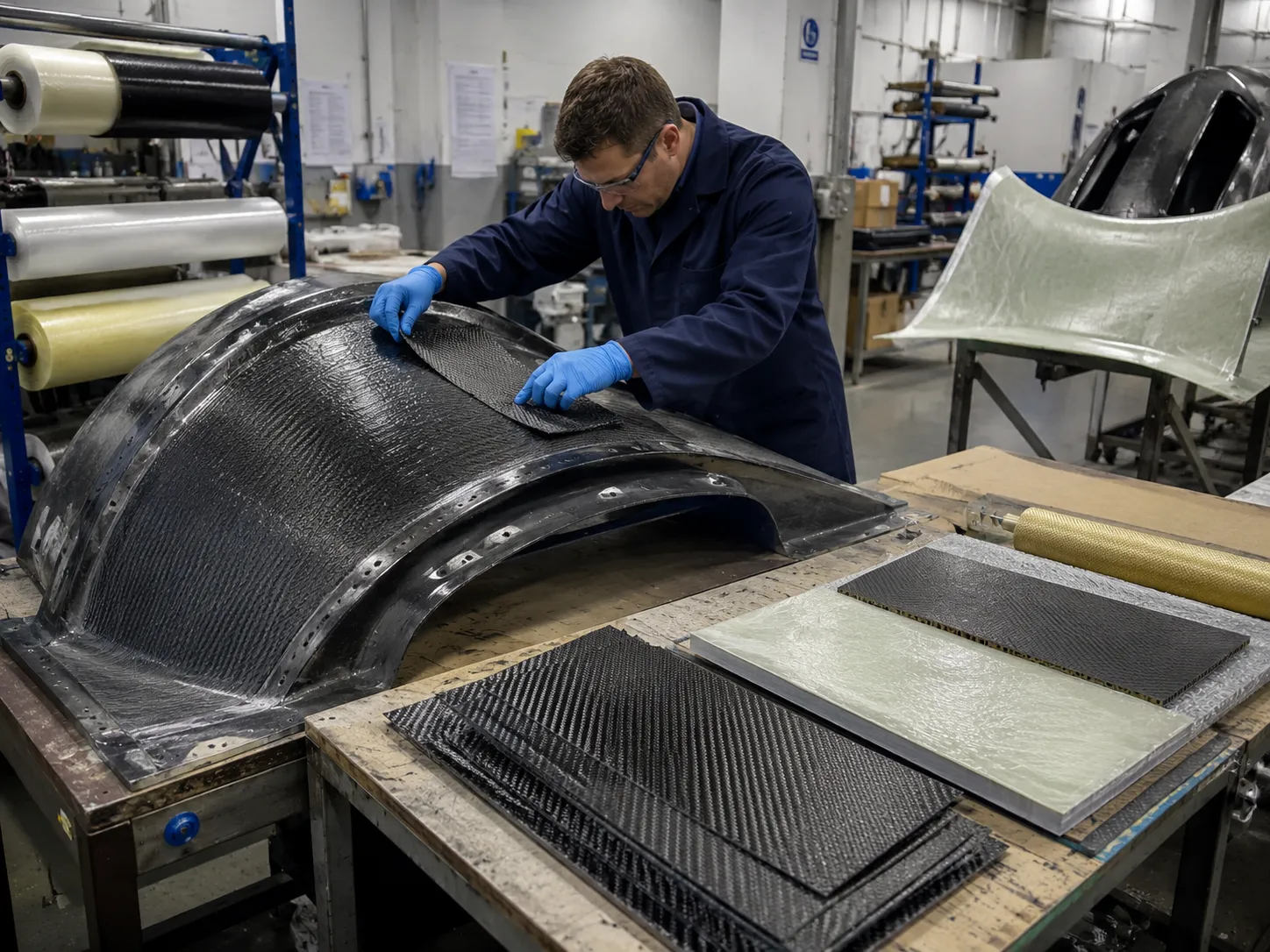
Aerospace Composites & Prepregs
Fiber-reinforced materials and resin systems used in lightweight aerospace structures.
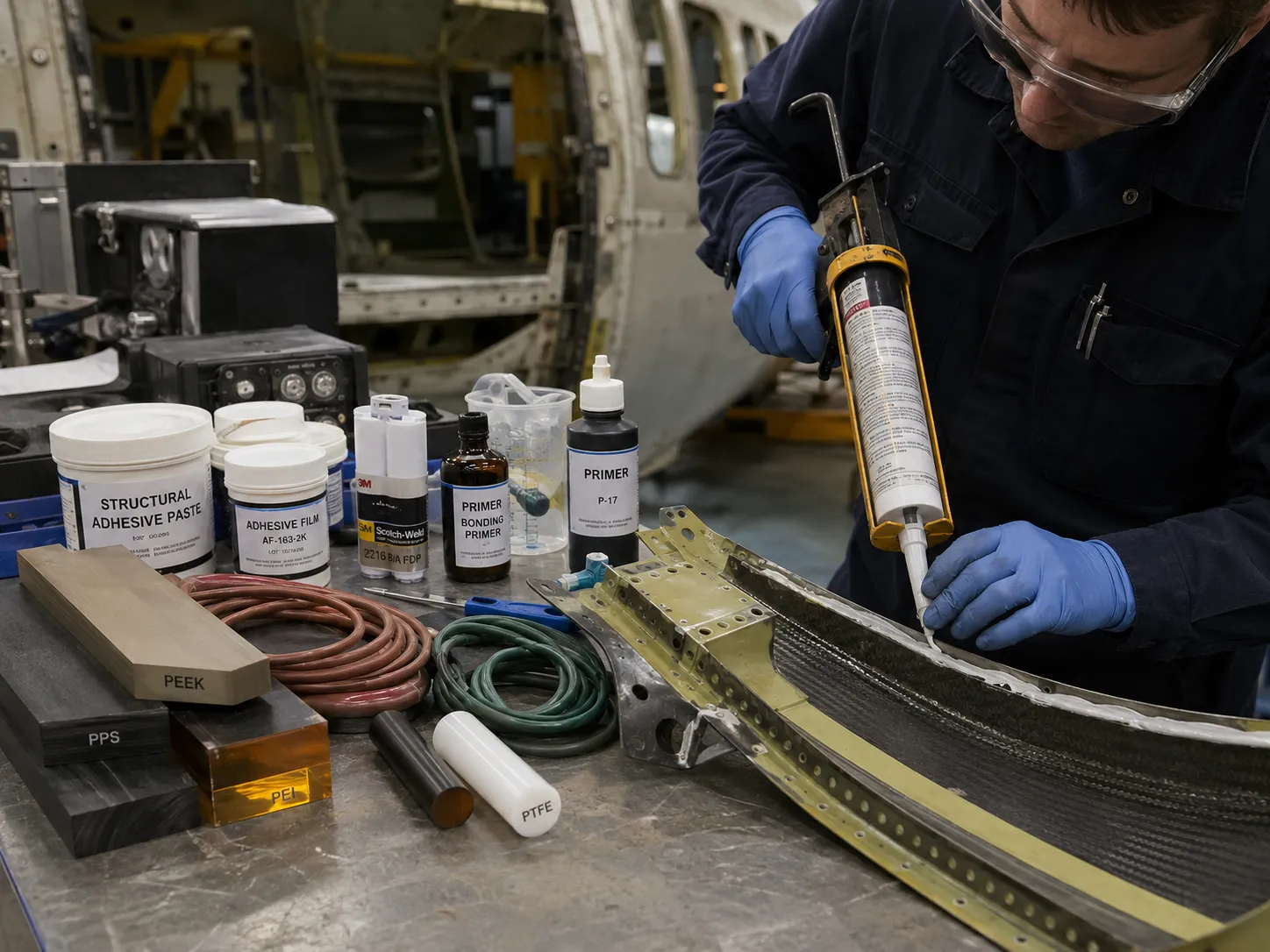
High-Performance Polymers, Adhesives & Sealants
Polymeric and formulated materials used for bonding, sealing, insulation and high-temperature applications.
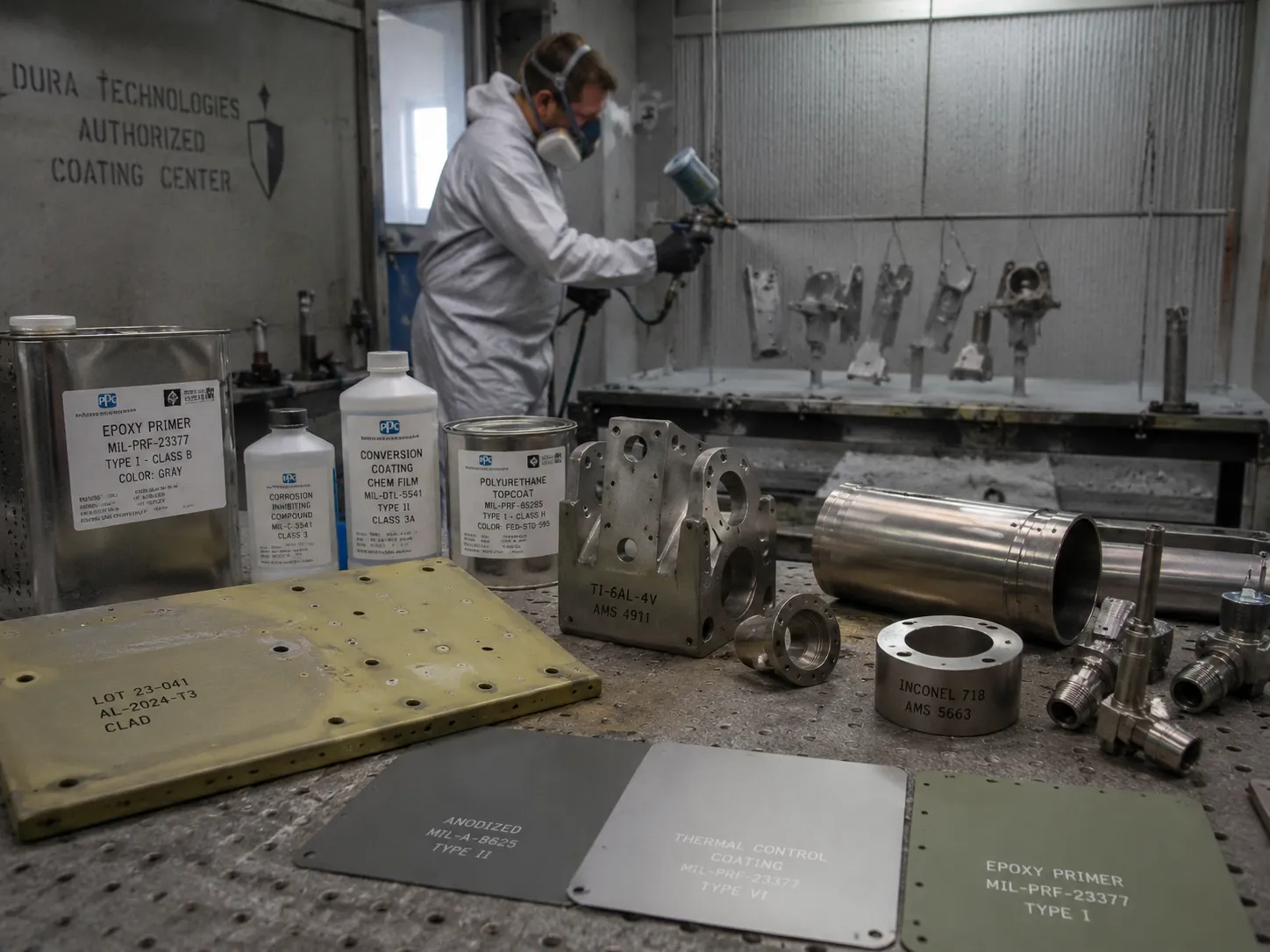
Metals, Alloys & Protective Coatings
Metallic materials and protective surface systems used in aerospace structures, engines and components.
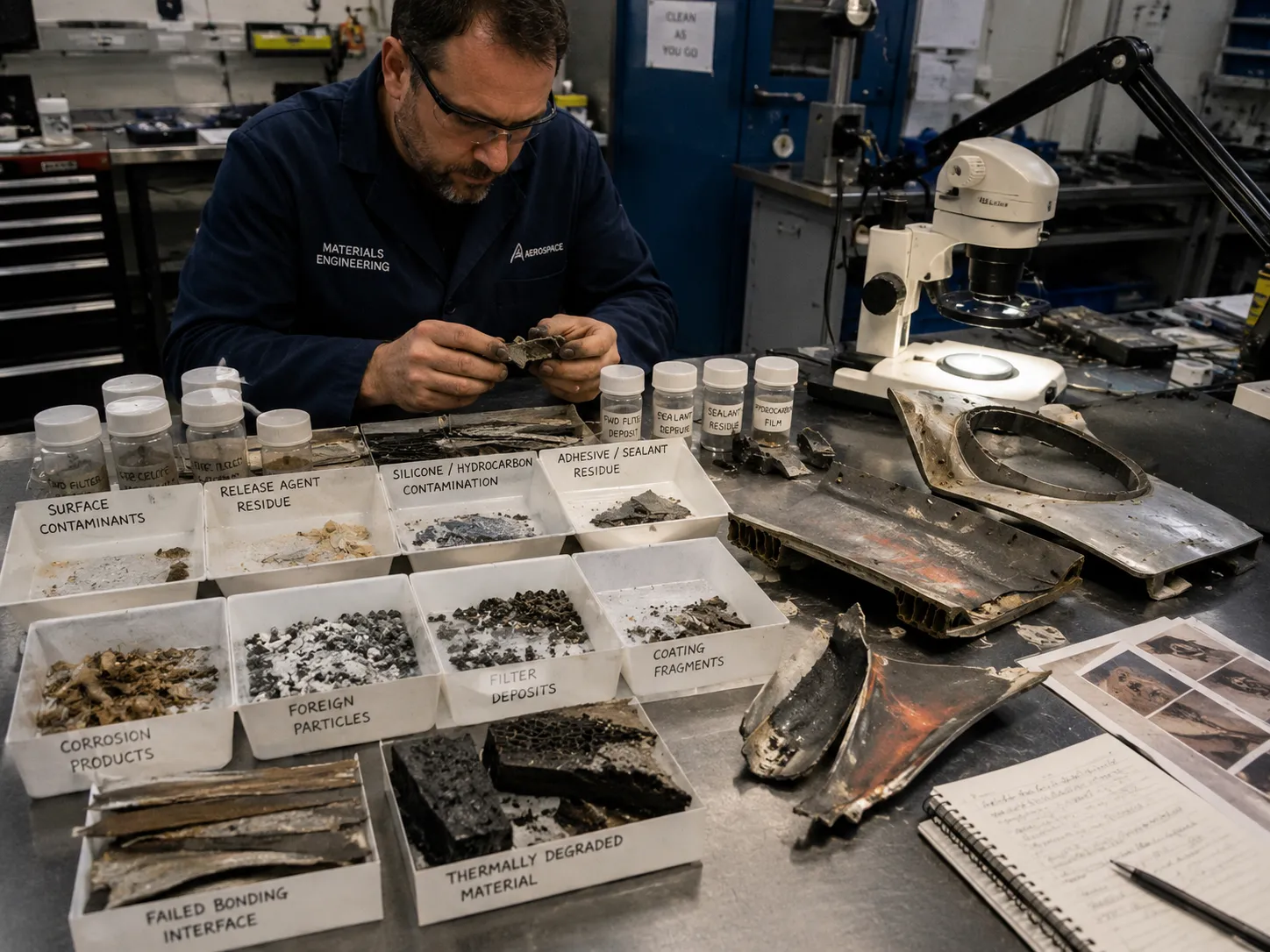
Contaminants, Deposits & Failed Materials
Unknown substances and abnormal materials collected from components, production processes and service environments.
Common Aerospace Materials Analysis Needs
Identify unknown aerospace materials and determine their major organic, inorganic and elemental components.
Typical targets include:
- Polymer and resin types
- Fibers and fillers
- Additives and flame retardants
- Metals and alloying elements
- Adhesives, sealants and coatings
- Unknown particles and residues
Specified components may also be quantified where suitable methods and reference standards are available.
Analyze aerospace composites, high-performance polymers and formulated materials through sample separation and complementary analytical methods.
Projects may include:
- Matrix resin identification
- Fiber and filler characterization
- Additive-system analysis
- Adhesive or sealant deformulation
- Coating composition analysis
- Resin and formulation comparison
- Material reverse engineering support
Identify low-level contamination, residues and surface substances associated with bonding, coating or manufacturing problems.
Typical targets include:
- Silicone contamination
- Hydrocarbon residues
- Release agents
- Cleaning-fluid residues
- Surface oxidation
- Corrosion products
- Adhesive or primer residues
- Foreign organic and inorganic particles
Surface-sensitive methods may be used when contamination is concentrated in the outermost material layer.
Compare approved, replacement, normal, abnormal or failed materials to identify meaningful differences.
Typical projects include:
- Supplier comparison
- Batch-to-batch comparison
- Original versus replacement material
- Normal versus failed component
- New versus aged material
- Bonding-interface investigation
- Coating delamination analysis
- Thermal degradation investigation
The analysis focuses on identifying composition, surface or material differences that may be related to the observed problem.
What Can Aerospace Materials Analysis Support?
- Raw material verification
- Supplier and batch comparison
- Alternative material evaluation
- Composite and resin characterization
- Surface contamination investigation
- Adhesive and coating failure analysis
- Foreign-particle identification
- Thermal degradation investigation
- Manufacturing quality investigation
- Material reverse engineering
Methods for Aerospace Materials Analysis
What You Receive
Xinbodi selects analytical methods according to the material type, sample condition and project objective. Multiple techniques may be combined for identification and cross-verification.
- FTIR / ATR-FTIR
Polymers, resins, adhesives, sealants, coatings and organic residues. - GC-MS / LC-MS
Solvents, additives, curing agents, stabilizers and degradation products. - Py-GC-MS
Cured resins, composite matrices and difficult-to-extract polymeric materials. - NMR / GPC
Molecular structure and molecular-weight characterization of selected organic materials. - SEM-EDS
Composite morphology, particles, coating layers, fracture surfaces and elemental distribution. - XPS / TOF-SIMS
Surface chemistry and trace contamination on bonding or coating surfaces. - XRF / ICP-MS / ICP-OES
Alloying elements, metals, fillers and inorganic contamination. - XRD
Crystalline phases, corrosion products, ceramics and inorganic deposits. - TGA / DSC / TMA
Resin and filler content, thermal decomposition, glass transition, curing and dimensional change.
Depending on the project scope, the report may include:
- Material or resin-system identification
- Organic, inorganic and elemental composition
- Fiber, filler and additive information
- Surface contamination findings
- Supplier or batch comparison
- Normal-versus-failed sample differences
- Particle, deposit or corrosion-product identification
- Thermal and degradation-related information
- Analytical spectra, images and supporting evidence
- Possible causes of material abnormalities
- Recommendations for additional verification
Standard projects: 5–10 working days
Rush service may be available depending on scope.
FAQs
Can Xinbodi identify an unknown aerospace material?
Yes. Spectroscopy, chromatography, microscopy, elemental analysis and thermal analysis may be combined to identify polymers, resins, metals, coatings, adhesives and unknown residues.
Can you analyze aerospace composite materials?
Yes. Projects may evaluate the matrix resin, reinforcing fibers, fillers, additives, thermal characteristics and differences between composite samples.
Can you compare materials from two suppliers?
Yes. Samples can be compared for resin chemistry, additives, fillers, elemental composition, surface condition and thermal characteristics.
Can you identify contamination on a bonding surface?
Yes. Surface-sensitive and complementary analytical methods may be used to investigate silicone, hydrocarbons, release agents, cleaning residues and inorganic contamination.
Can you investigate adhesive or coating failure?
Xinbodi can compare normal and failed samples, bonding interfaces, coating fragments and surface residues to identify material or contamination differences associated with the failure.