
Lubricants & Greases Analysis and Testing
Composition analysis, deformulation, base oil identification, additive characterization and chemical abnormality investigation for lubricating oils, greases, metalworking fluids and in-service lubricant samples.
Xinbodi Laboratories develops customized analytical workflows according to the lubricant type, sample condition and project objective. By combining sample separation, chromatography, spectroscopy, elemental analysis and technical interpretation, we help clients understand lubricant formulations, compare suppliers, identify unknown components and investigate composition-related abnormalities.
Lubricants & Greases Product We Analyze

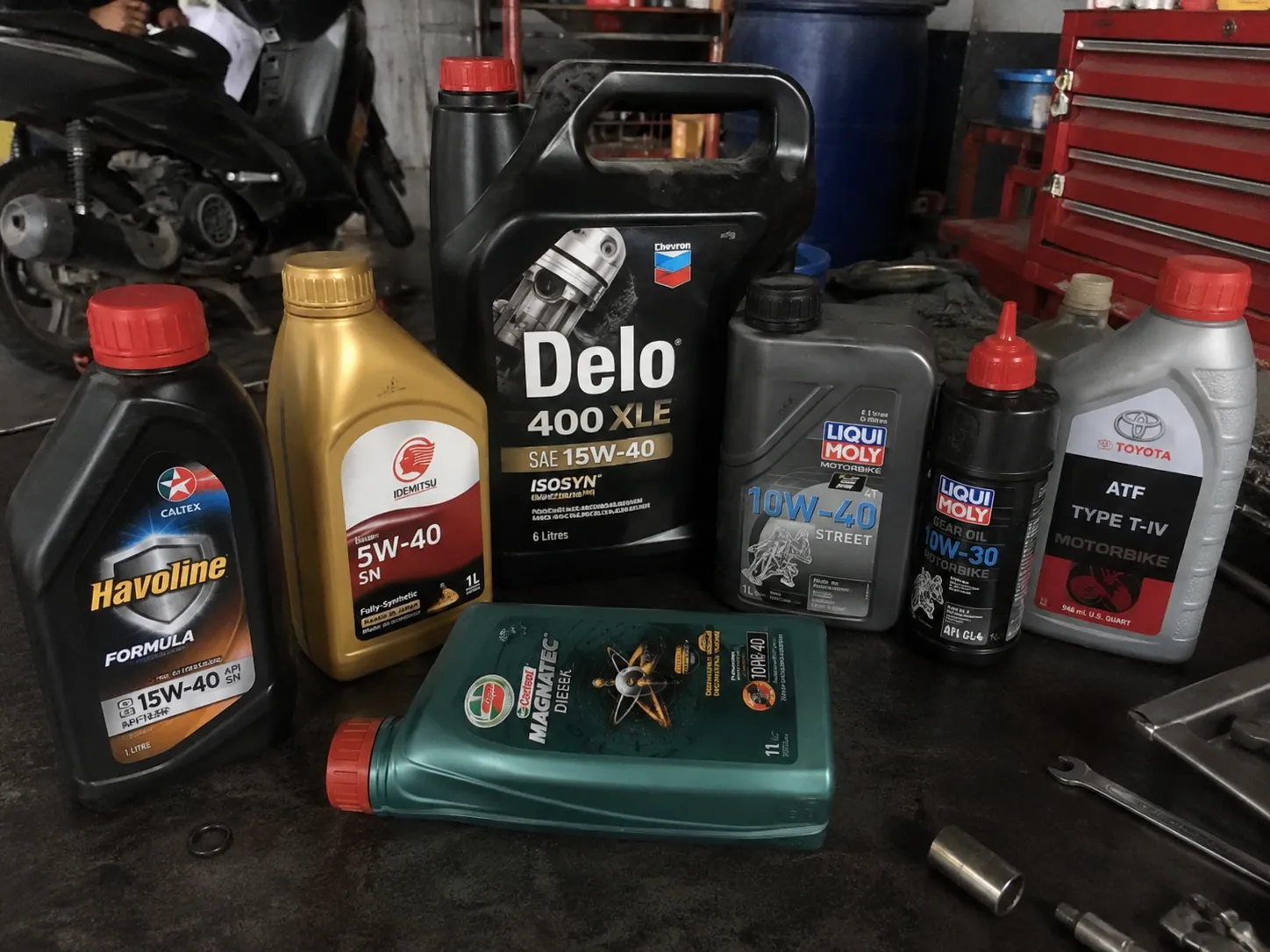
Automotive & Transportation Lubricants
Engine oils, Automotive gear oils, Transmission fluids, Motorcycle oils, Marine lubricants, Heavy-duty diesel engine oils, Drivetrain lubricants, Automotive lubricating greases
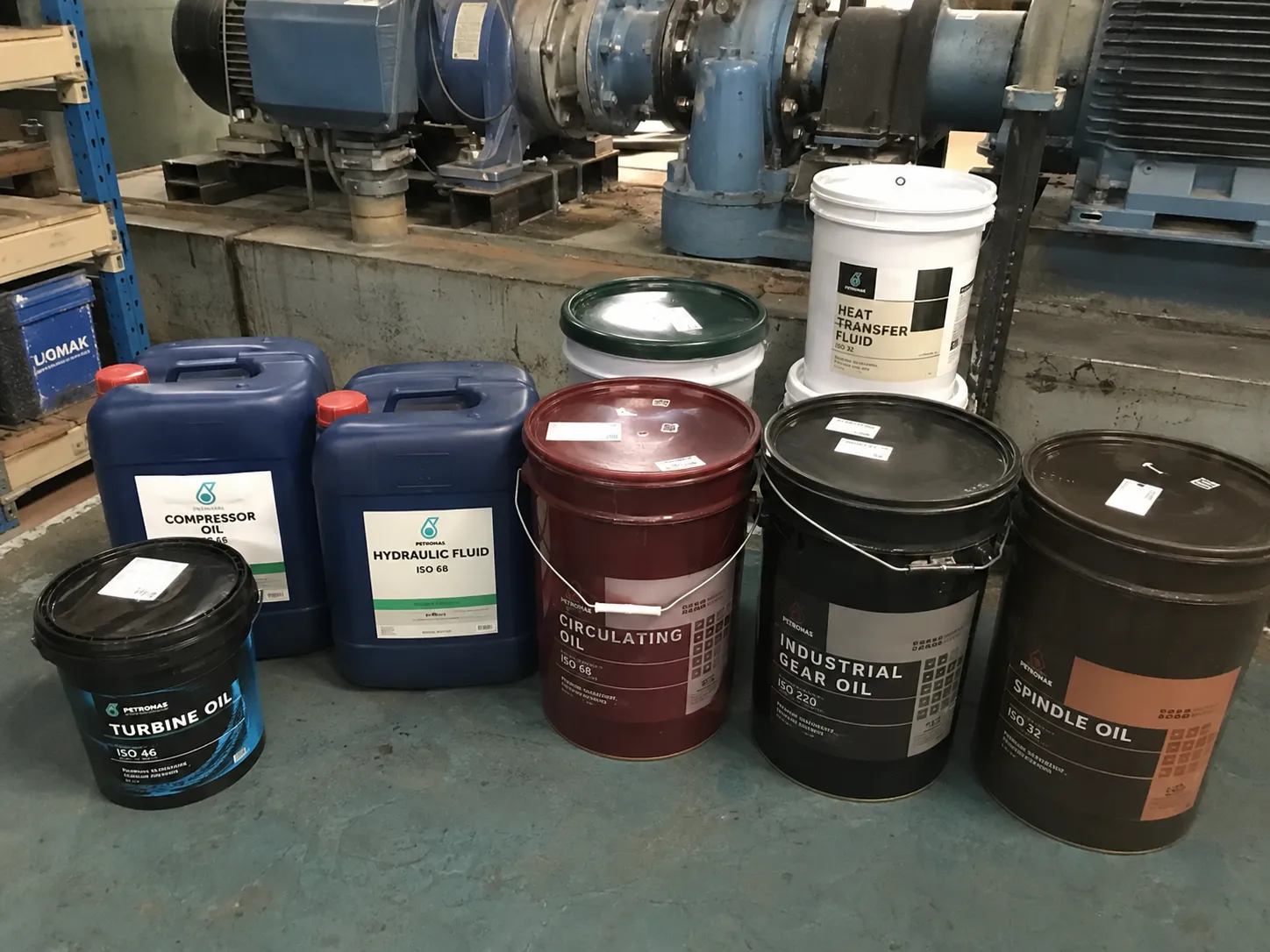
Industrial Lubricants & Functional Fluids
Hydraulic fluids, Industrial gear oils, Compressor oils, Turbine oils, Circulating oils, Slideway oils, Spindle oils, Vacuum pump oils, Heat transfer fluids, Transformer and insulating oils
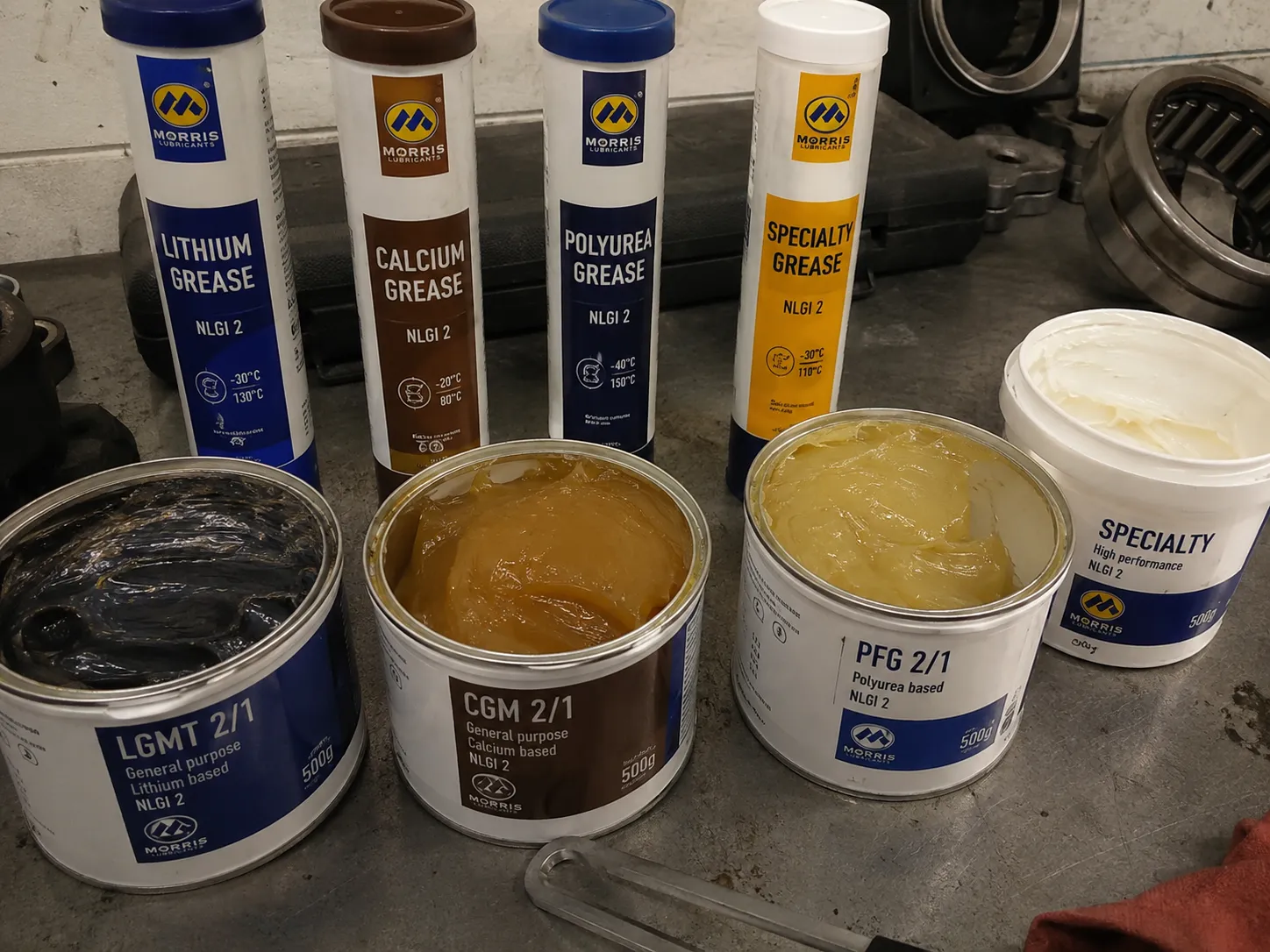
Lubricating Greases
Industrial greases, Automotive greases, High-temperature greases, Lithium-based greases, Lithium complex greases, Calcium-based greases, Calcium sulfonate complex greases, Polyurea greases, Synthetic greases, Specialty lubricating greases
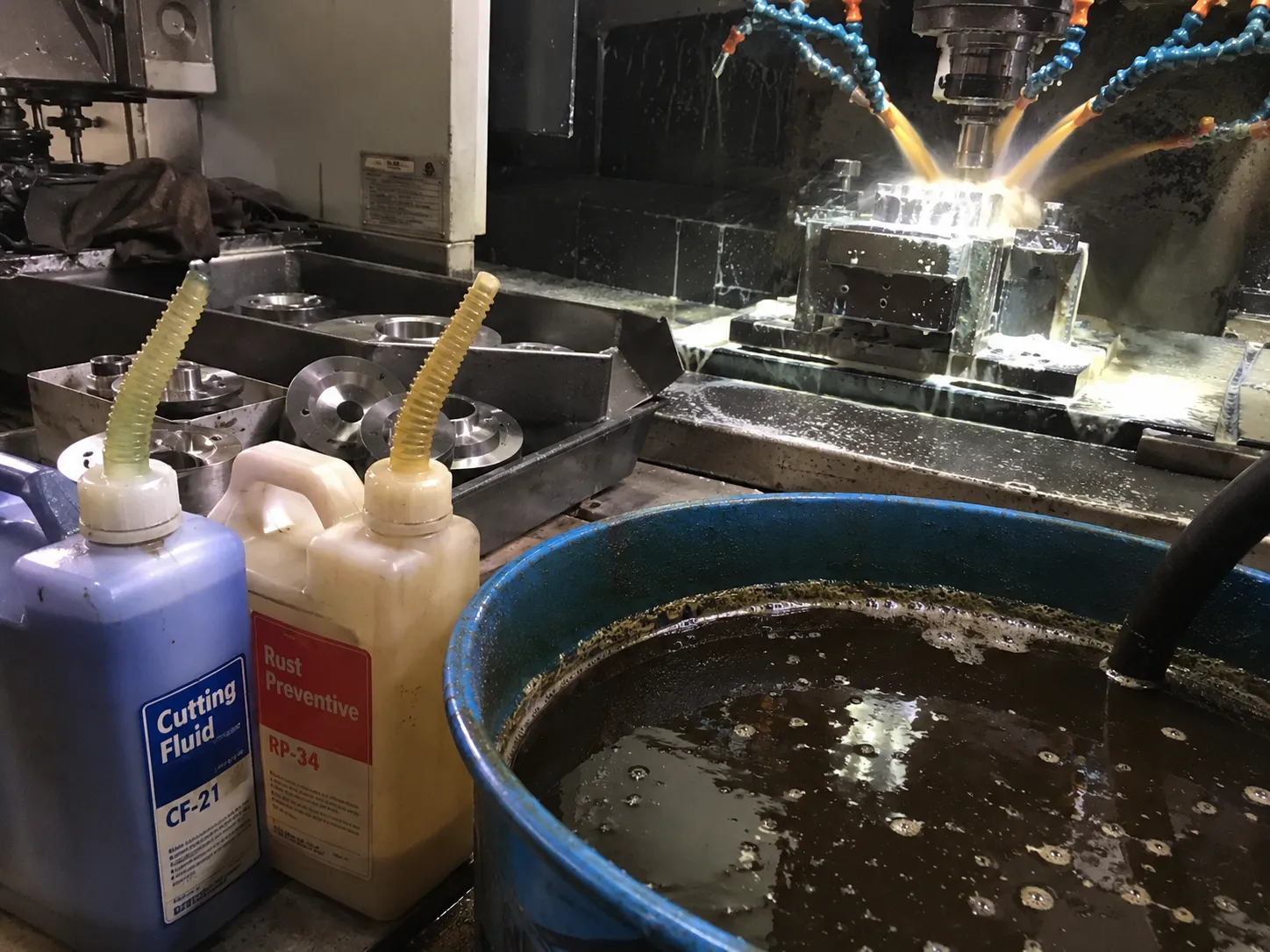
Metalworking & Metal Protection Fluids
Cutting fluids, Neat cutting oils, Water-miscible metalworking fluids, Grinding fluids Machining coolants, Metal forming lubricants, Drawing lubricants, Rolling oils, Quenching oils, Rust preventives, Corrosion preventive oils
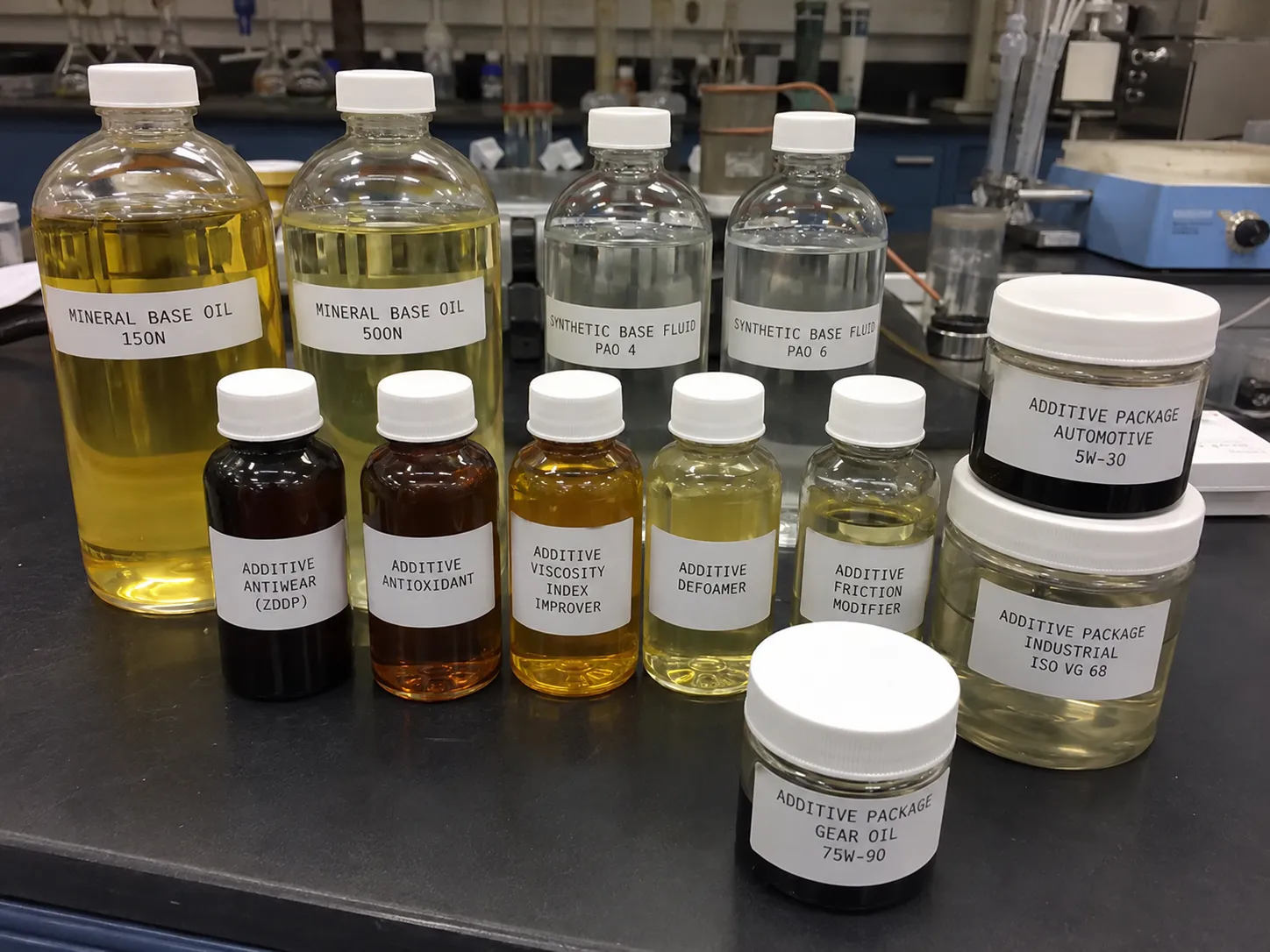
Base Oils, Additives & Additive Packages
Mineral base oils, Synthetic base fluids, Polyalphaolefins, Ester base fluids, Silicone oils, Antiwear additives, Extreme-pressure additives, Antioxidants, Detergents and dispersants, Corrosion and rust inhibitors, Viscosity index improvers, Pour point depressants, Antifoam additives, Friction modifiers, Lubricant additive packages
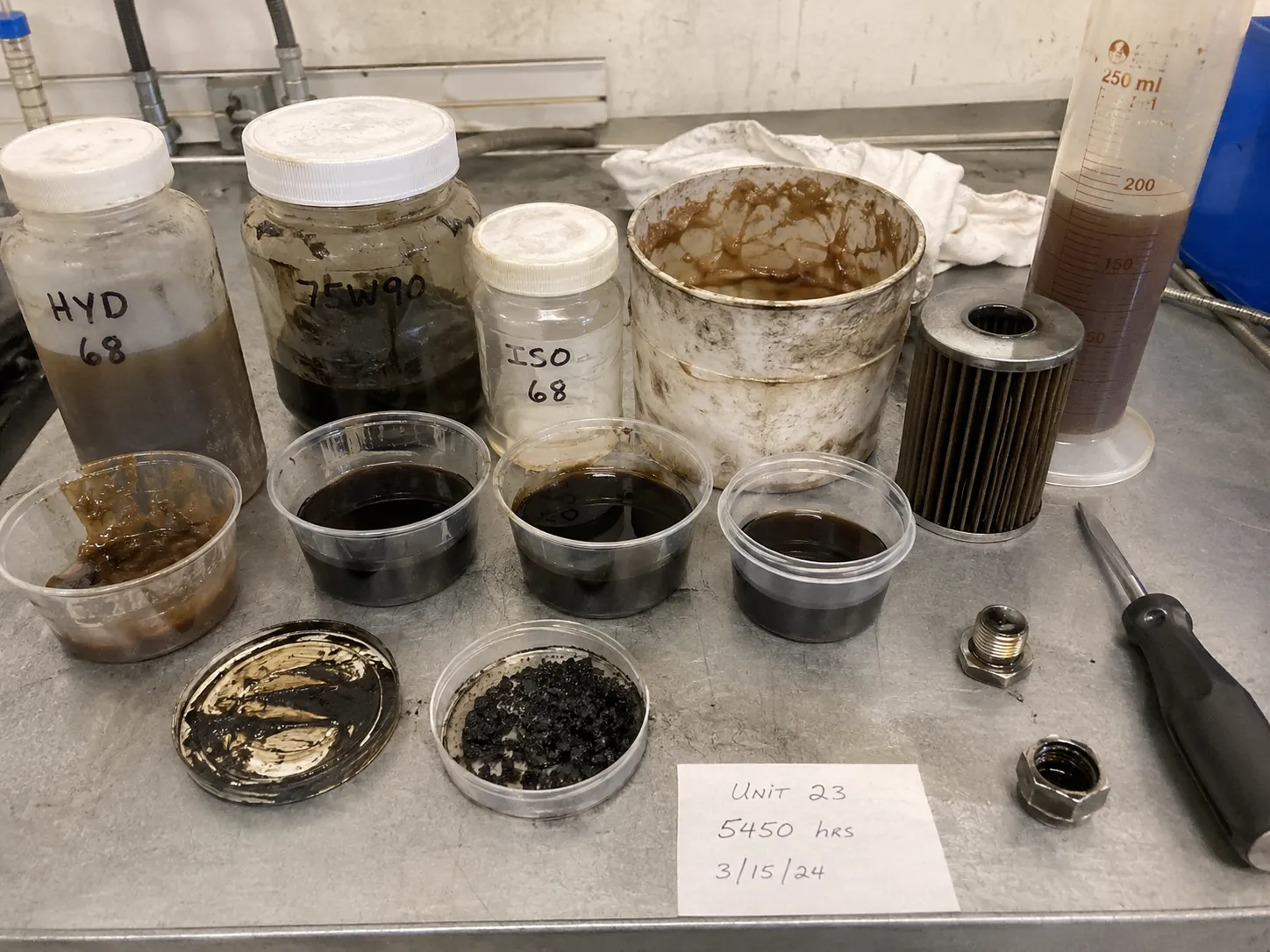
Used Lubricants, Deposits & Contaminants
In-service lubricating oils, Used oils, Used greases, Lubricant sludge, Varnish-like deposits, Filter deposits, Equipment deposits, Wear-related particles, Corrosion products, Foreign contaminants, Oxidation and degradation products, Water-contaminated lubricant samples
Common Analysis Needs
Analyze complete lubricating oil, grease and metalworking-fluid formulations through sample separation, multi-method characterization and integrated data interpretation.
Our work may include:
- Major component identification
- Base oil and base-fluid characterization
- Additive package analysis
- Grease thickener identification
- Organic and inorganic composition analysis
- Quantitative or semi-quantitative analysis
- Competitor product comparison
- Lubricant deformulation
- Product reverse engineering support
- Formulation reconstruction recommendations
The results can support competitor research, new product development, cost optimization, supplier replacement and local material substitution.
Identify lubricant raw materials, unknown additives and the principal formulation components in oils and greases.
Typical analytical targets include:
- Mineral base oils
- Polyalphaolefin base fluids
- Ester base fluids
- Silicone oils
- Hydrocarbon base fluids
- Lithium-based thickeners
- Calcium-based thickeners
- Polyurea thickeners
- Antiwear additives
- Extreme-pressure additives
- Antioxidants
- Detergents and dispersants
- Corrosion inhibitors
- Polymeric viscosity modifiers
- Other unknown functional additives
The achievable identification level depends on sample complexity, component concentration and available reference information.
Identify or quantify a specified additive, contaminant, element or defined class of lubricant components according to the project objective.
Typical targets include:
- Specific antioxidant compounds
- Antiwear additives
- Extreme-pressure additive components
- Corrosion inhibitors
- Organic phosphorus compounds
- Sulfur-containing components
- Additive-related metals
- Trace contaminants
- Residual solvents
- Selected degradation products
- Chloride and other ionic contaminants
Quantitative results may be provided when suitable analytical methods and reference standards are available.
Compare lubricants or greases from different suppliers, production batches, product versions or sample conditions.
Typical projects include:
- Supplier-to-supplier comparison
- Batch-to-batch comparison
- Target versus competitor product
- Original versus replacement lubricant
- Imported versus locally sourced product
- Approved versus suspect material
- New versus aged lubricant
- Normal versus abnormal sample
- Base oil chemistry
- Additive fingerprints
- Thickener systems
- Organic component profiles
- Elemental composition
Analyze lubricants collected from operating equipment to identify chemical changes, contamination, additive-related differences and degradation products.
Typical analytical objectives include:
- Base oil composition changes
- Oxidation-related compounds
- Additive depletion or transformation
- Fuel or solvent contamination
- Water-related contamination indicators
- Wear-related elements
- External organic contamination
- Inorganic contamination
- Sludge and varnish composition
- Comparison with new or reference lubricant
The analysis focuses on chemical composition and material differences. A new, unused or known-good lubricant sample is strongly recommended for comparative interpretation.
Identify unknown materials and investigate chemical composition differences associated with abnormal lubricants, greases or lubrication-system residues.
Typical samples and problems include:
- Unexpected sediment or precipitate
- Lubricant sludge
- Varnish-like deposits
- Filter deposits
- Carbonaceous deposits
- Additive precipitation
- Abnormal color or odor
- Corrosion-related residues
- Wear-related particles
- Foreign organic materials
- Mineral and inorganic contamination
- Storage-related degradation products
- Supplier-related formulation differences
Our Customized Analytical Workflow
1. Project and Sample Review
Review the lubricant type, product application, known formulation information, sample condition, comparison samples and the technical question to be answered.
2. Sample Separation and Pretreatment
Separate base oil, additive, thickener, volatile, insoluble and inorganic fractions where necessary.
For deposit or contaminant projects, the unknown material may be isolated from the lubricant before further characterization.
3. Instrumental Characterization
Select complementary analytical methods to evaluate base fluids, additives, thickeners, organic components, elements, ions, particles and degradation-related substances.
4. Targeted Verification and Comparison
Use reference standards, new lubricant samples, approved products, supplier samples or competitor materials to verify key components and compare meaningful differences.
5. Integrated Reporting
Provide analytical findings, supporting evidence, quantitative or semi-quantitative information where feasible, comparison conclusions and project-specific technical interpretation.
Testing Methods for Lubricants & Greases Product Analysis
Xinbodi selects analytical techniques according to the lubricant type, sample condition, target component and project objective. Multiple methods may be combined for sample separation, component identification, structural characterization, quantification and cross-verification.
- FTIR / ATR-FTIR
Base oil screening, additive fingerprints, grease thickener identification, oxidation-related differences and deposit characterization. - GC-MS / Headspace GC-MS
Volatile components, light hydrocarbon fractions, solvents, fuel-related contamination, odor-causing compounds and degradation products. - HPLC / LC-MS
Non-volatile lubricant additives, antioxidants, corrosion inhibitors, polar components and selected degradation products. - NMR
Base-fluid characterization, molecular structure confirmation, raw material identification and selected component-ratio estimation. - Py-GC-MS
Polymeric viscosity modifiers, high-molecular-weight additives, grease-related organic components and insoluble organic residues. - GPC
Molecular-weight distribution of polymeric viscosity modifiers, tackifiers and other polymeric lubricant additives. - ICP-MS / ICP-OES
Additive-related elements, wear-related metals, trace contamination and corrosion-related elemental analysis. - XRF
Elemental screening of additive packages, grease residues, deposits and inorganic contaminants. - SEM-EDS
Wear-related particles, foreign matter, filter deposits and localized elemental composition. - XRD
Crystalline thickener components, corrosion products, mineral particles and inorganic contaminants. - TGA / DSC
Oil–thickener composition, volatile loss, decomposition profiles and comparative characterization of lubricant or grease samples. - Ion Chromatography
Chloride, sulfate and other water-soluble ionic contaminants in lubricants, deposits and related samples. - Raman Spectroscopy
Carbonaceous deposits, solid lubricant components, corrosion products and localized residue characterization.
What You Will Receive
Depending on the project scope, a compositional analysis report may include:
- Identified major and minor components
- Quantitative or semi-quantitative results
- Additives, fillers, pigments and impurities detected
- Organic, inorganic, elemental and polymer findings
- Comparison between suppliers, batches or products
- Representative spectra, chromatograms, curves, images and elemental maps
- Sample-preparation and analytical-method information
- Technical interpretation of meaningful composition differences
- Method detection limits
- Clearly stated analytical limitations
- Recommendations for follow-up testing or validation
For comparison projects, we focus on what changed, how significant the difference is, and what it may mean for your product or process.
Standard projects: 5–10 working days
Rush service may be available depending on scope.

Why Choose Xinbodi Laboratories
7×24 Customer Support
Fast technical response within 24 hours.
Fast 5–10 Day Delivery
Efficient project turnaround after sample receipt.
Advanced Lab Capacity
4,000+ m² R&D labs and 1000+ precision instruments.
Cost-Efficient Analytical Services
Comparable analytical capabilities at typically 50–60% of U.S. and European laboratory pricing for similar project scopes.
100+ Master’s- and PhD-Level Experts
Extensive experience in solving complex material challenges.
90%+ Reconstruction Accuracy
Reliable support for suitable deformulation cases.
Practical R&D Support
Actionable solutions and production guidance with protected formulas and sample data.
China Supplier Comparison
Evaluate materials and sourcing alternatives.
FAQs
Can you test both new and used oils?
Yes. For used oils, context (service time, system type, top-ups) improves interpretation. Scope may be project-dependent.
Can lubricant analysis identify the base oil, additives and grease thickener?
Yes. Depending on the sample and formulation complexity, lubricant analysis can help characterize the base oil or base-fluid system, additive groups, grease thickener and other major formulation components.
Multiple analytical techniques may be combined because base oils, additives and thickeners have very different chemical properties and concentration levels.
Can a lubricant or grease be deformulated or reverse engineered?
Yes. Lubricant deformulation can be used to investigate the base-fluid system, additive package, thickener, functional components and formulation differences in oils and greases.
For competitor or benchmark products, the results can support reverse engineering, formulation reconstruction, raw-material selection and product development.
Can you compare two lubricant suppliers or competitor products?
Yes. Comparative analysis can be used for:
- Supplier A vs. Supplier B
- Original product vs. replacement product
- Imported lubricant vs. locally sourced alternative
- Your product vs. competitor product
- Old batch vs. new batch
Testing can help identify differences in base-oil chemistry, additive systems, impurities, inorganic components and overall formulation profiles.
Can lubricant analysis determine whether the oil has degraded during use?
Yes. Used lubricant analysis can investigate chemical changes related to:
- oxidation
- additive depletion
- base-oil changes
- contamination
- degradation products
- abnormal deposits
Comparing the used lubricant with a new or known-good reference sample can make these changes easier to interpret.
Can you analyze sludge, varnish, filter deposits or separated material?
Yes. Sludge, varnish-like deposits, sediments, filter residues and other abnormal materials can be analyzed separately from the lubricant.
Depending on the project, analysis may help determine whether the material is related to lubricant degradation, additive precipitation, wear debris, corrosion products or external contamination.
Can lubricant analysis identify unexpected metals, solvents or contaminants?
Often yes. We combine residue chemistry (FTIR/Raman/Py-GC/MS) with elemental screening and particle analysis to identify likely sources.
Can a specific additive or contaminant be quantified?
Selected additives, contaminants or other components can often be quantified when suitable analytical methods and reference standards are available.
For complex formulations or low-level components, results may be reported semi-quantitatively or as estimated concentration ranges rather than as an exact percentage.
Why has a lubricant developed an abnormal color, odor or deposit?
Changes in color, odor or deposit formation may be associated with oxidation, contamination, additive changes, thermal degradation or reactions between lubricant components and the operating environment.
Chemical analysis of the abnormal lubricant, together with a new or reference sample where available, can help identify meaningful compositional differences and narrow down the likely cause.
