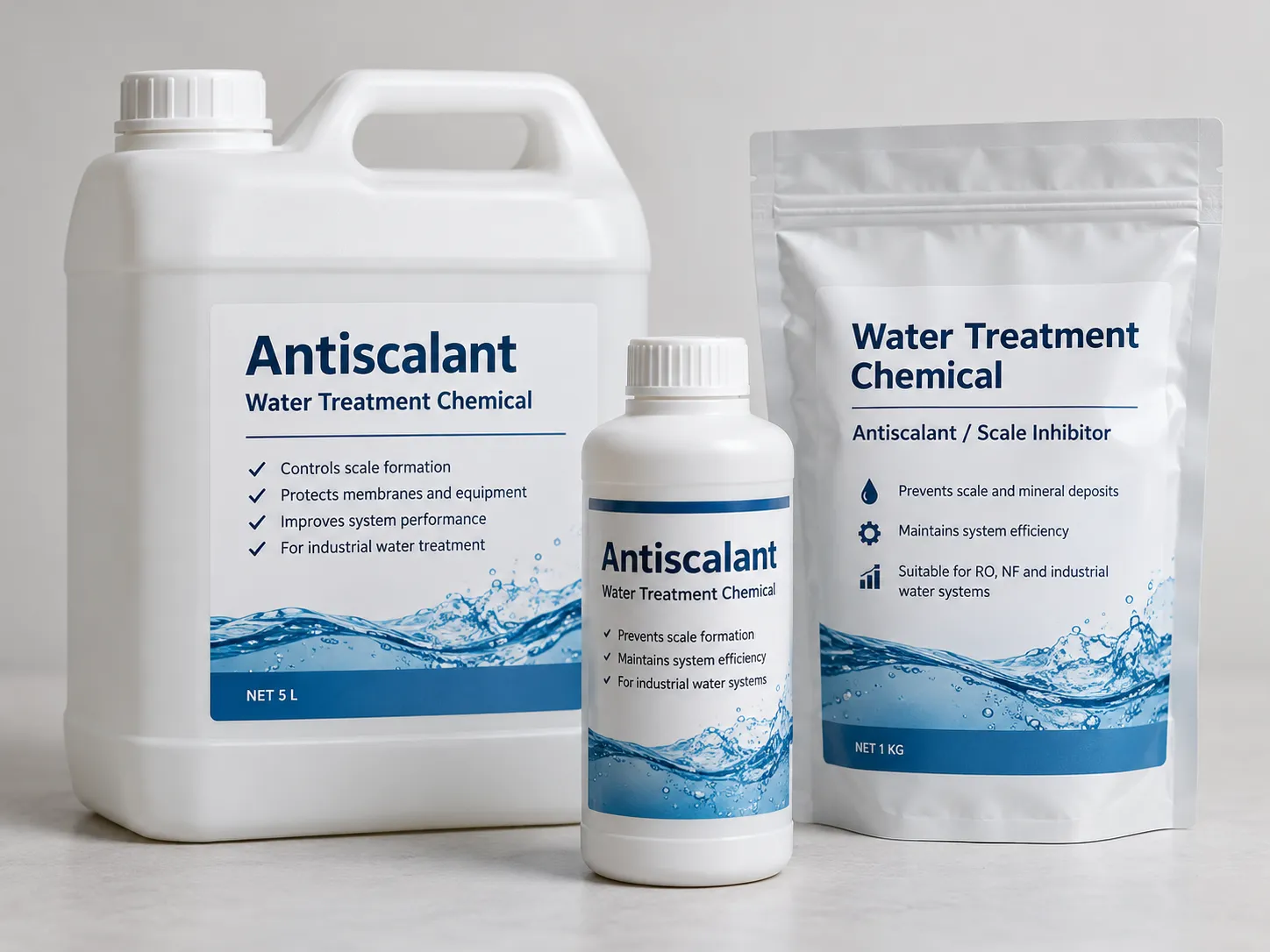
Water Treatment Chemicals Analysis: Composition Testing and Reverse Engineering
Analyze water treatment chemicals, antiscalants, scale inhibitors and treatment blends to identify components, compare formulations and support reverse engineering.

Analyze water treatment chemicals, antiscalants, scale inhibitors and treatment blends to identify components, compare formulations and support reverse engineering.
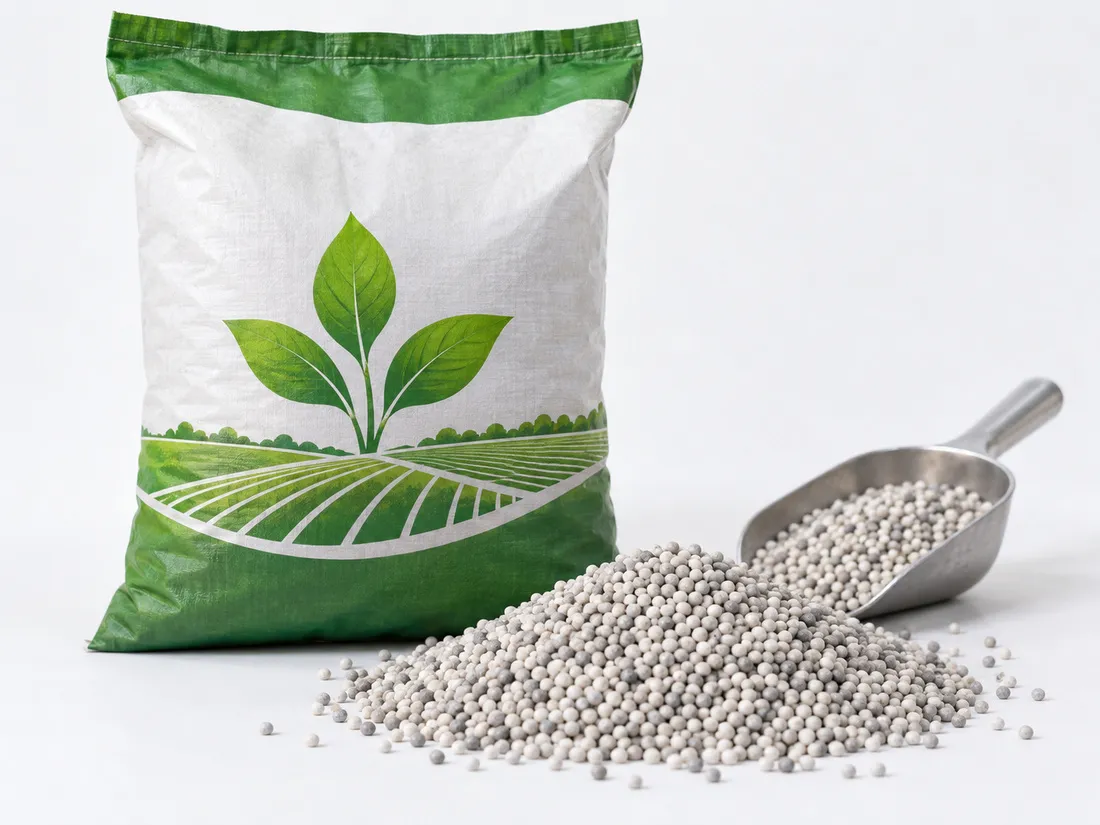
Fertilizer analysis revealed major NPK deficiencies in a 15-15-15 compound fertilizer, showing why nutrient testing is essential for supplier quality control.
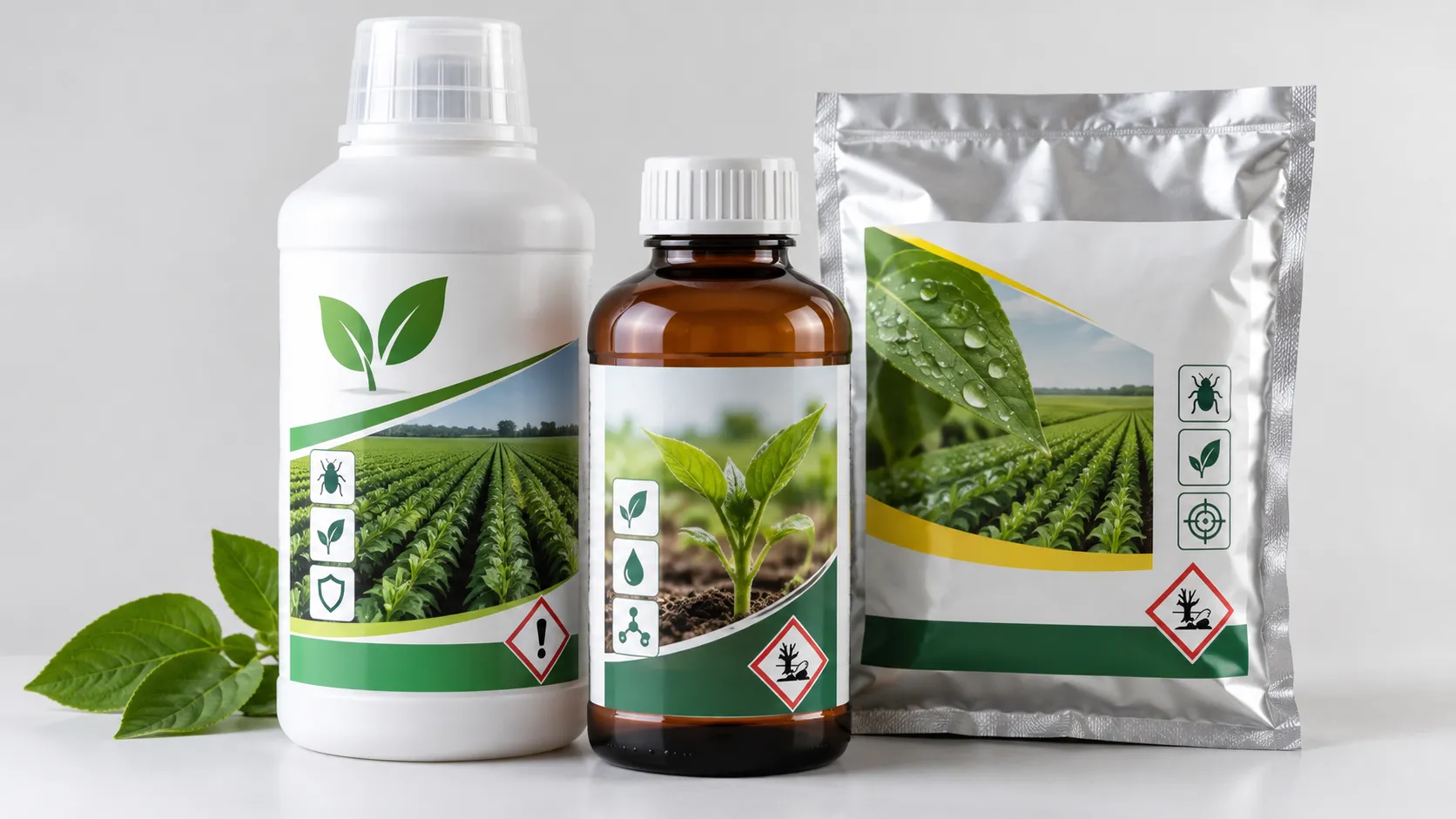
Pesticide formulation analysis identifies and quantifies active ingredients, formulation aids, impurities, and quality differences in commercial pesticide products.

Xinbodi reverse engineers acrylic coating formulations to identify binders, pigments, fillers and additives, compare benchmark products and troubleshoot aging failures.
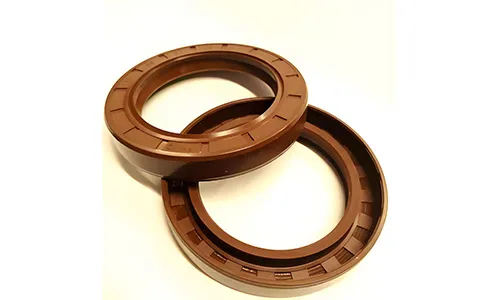
Xinbodi Lab investigated white deposits on NBR oil seals using SEM-EDS, XRD and TGA, identifying zinc-containing bloom and supporting formulation and vulcanization improvements.
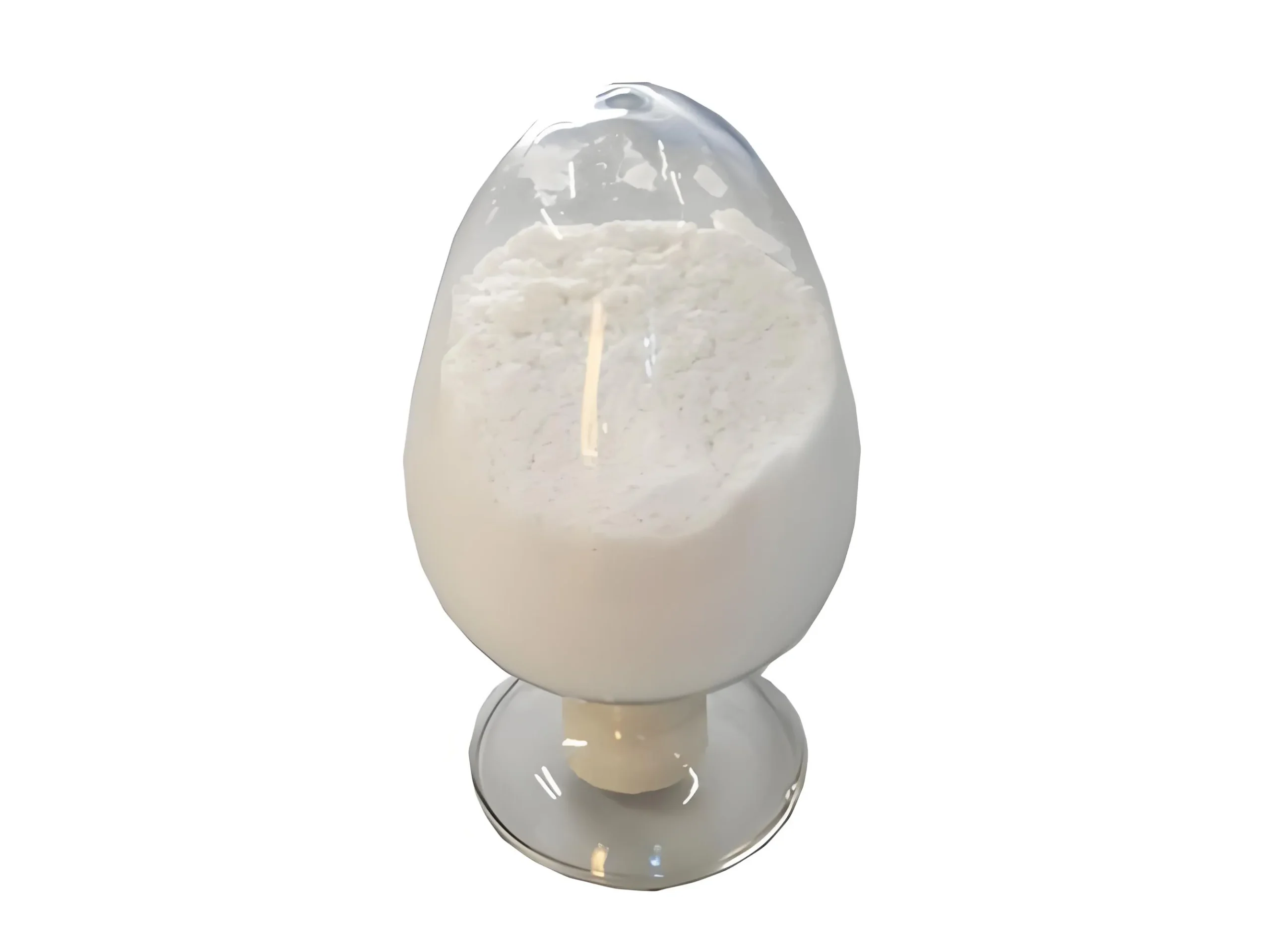
Xinbodi identified an unknown rubber accelerator as a sulfenamide-type system and used formulation trials to evaluate dosage, cure behavior and natural rubber performance.

See how rubber composition analysis revealed major formulation differences between qualified and failed NBR oil seals, including lower rubber content and higher mineral filler.
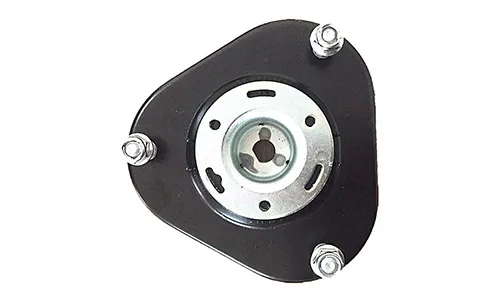
See how rubber formulation analysis identified low-level additives in an acid-resistant automotive component to support benchmark-based material development.
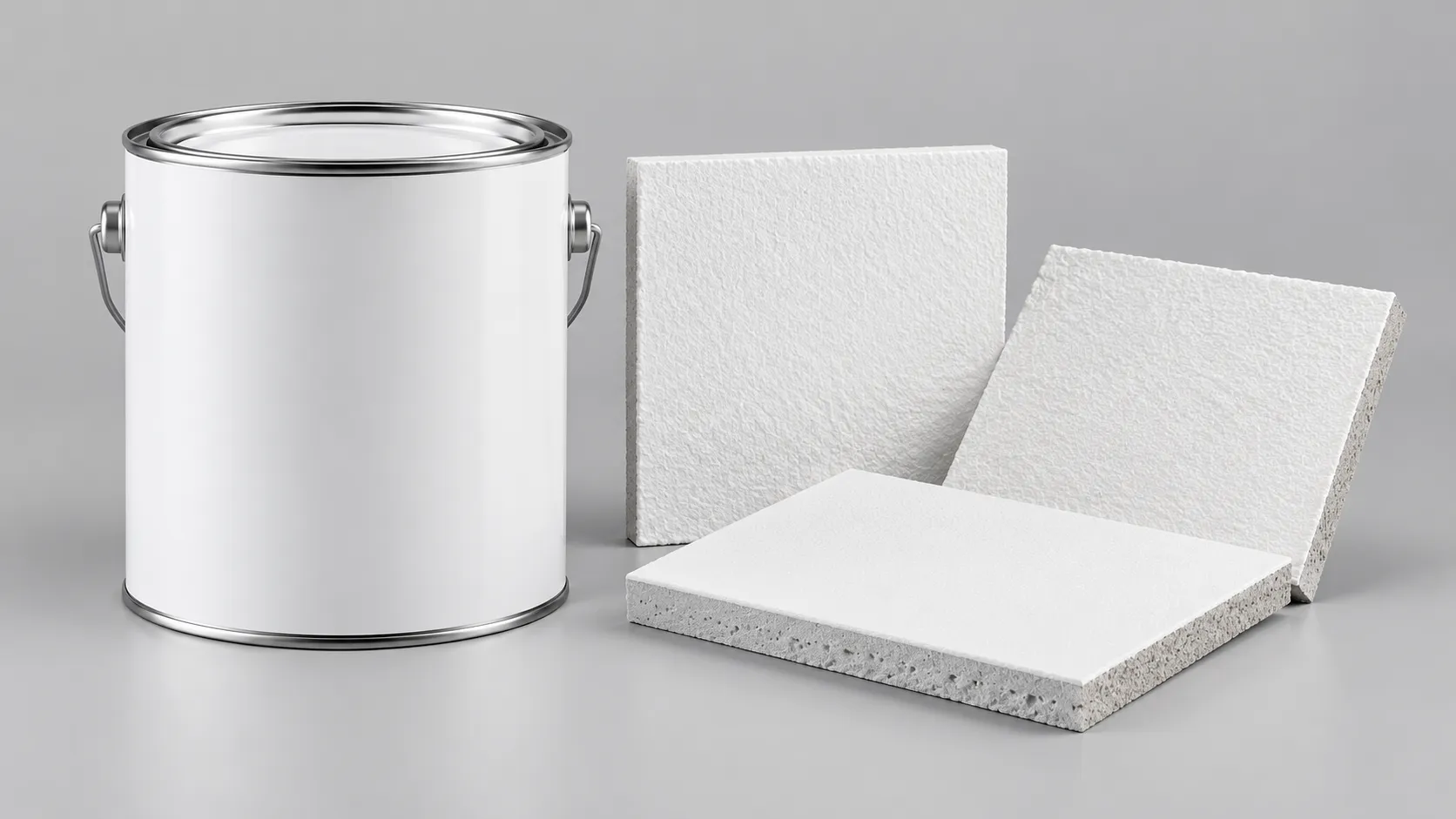
See how coating formulation analysis compared a benchmark and underperforming thermal insulation coating to identify key formulation differences.
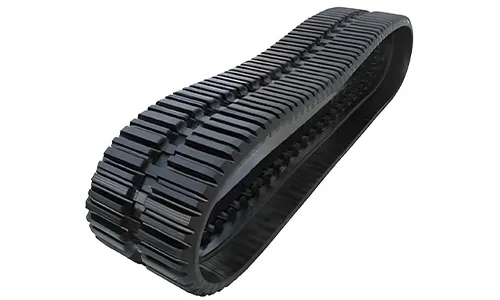
Xinbodi used rubber material testing, formulation analysis and structural characterization to reverse engineer an imported rubber track and support localized production.