logo

Pharmaceutical

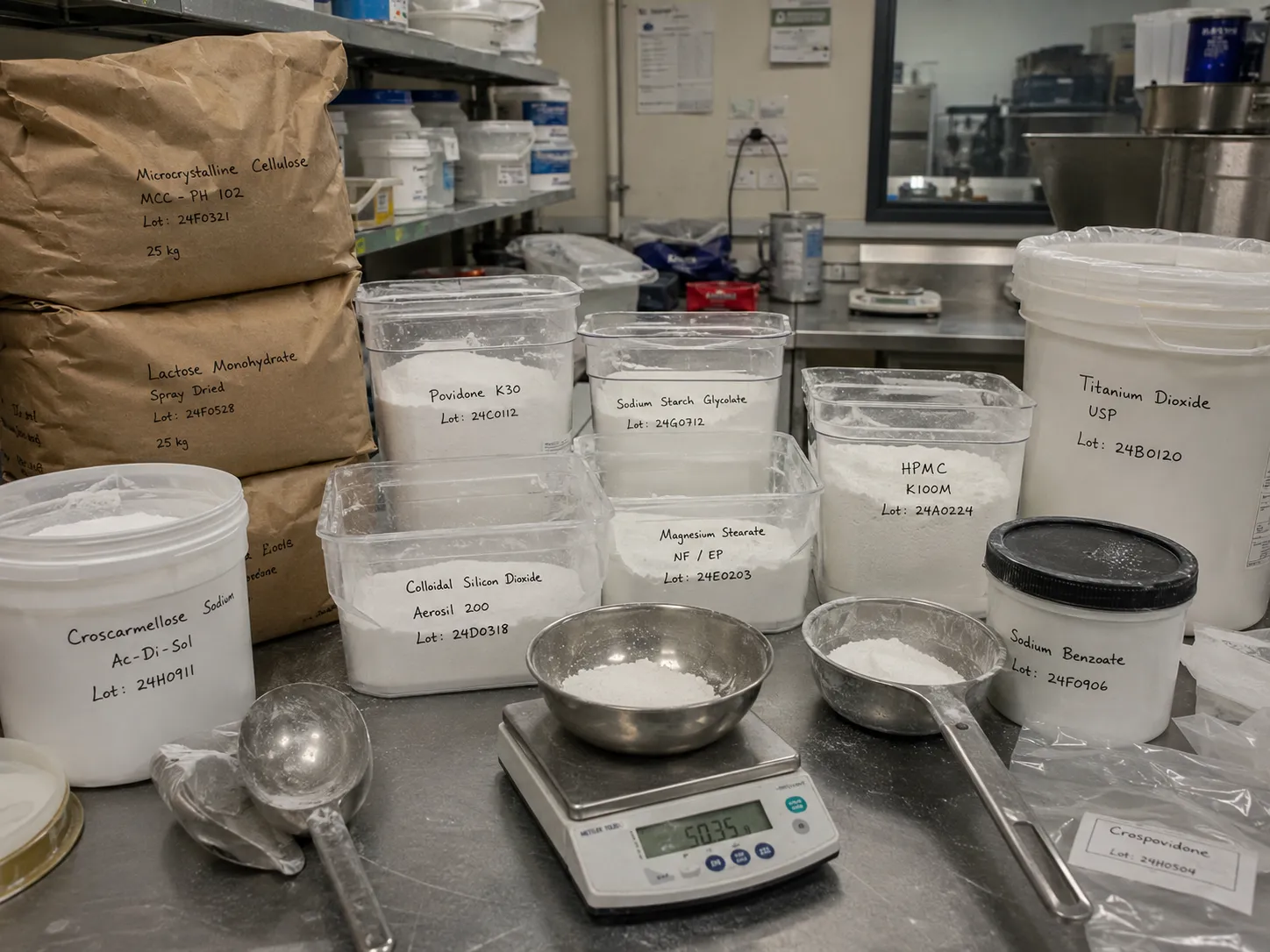
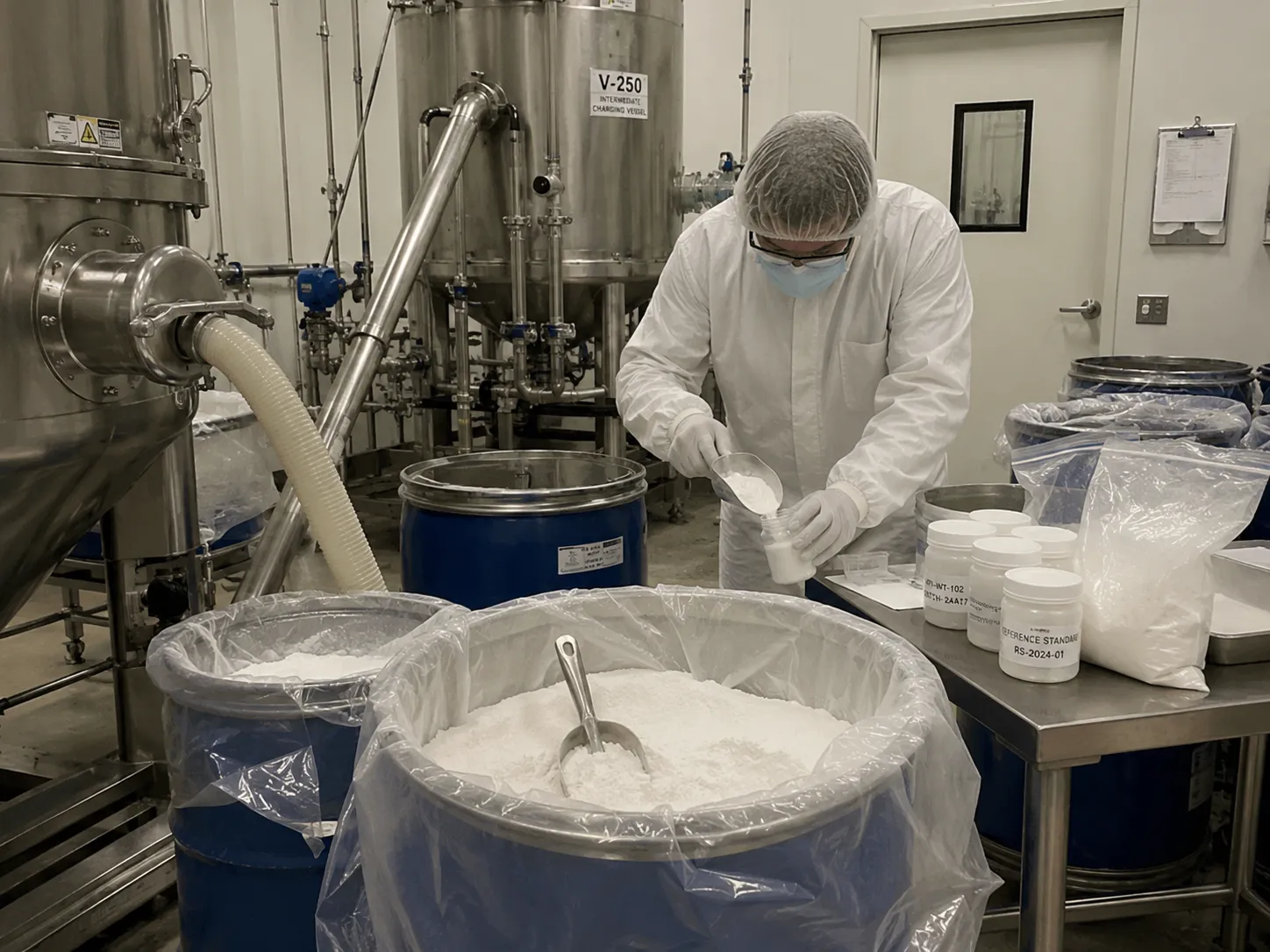
Pharmaceutical products require strict control of identity, purity, and stability to ensure safety and consistent therapeutic performance. Pharmaceutical materials are used across API development and manufacturing, excipient supply chains, drug product formulation, packaging/closure systems, and quality investigations. Small changes in impurity profile, residual solvents, elemental contaminants, polymorphic form, or formulation composition can create major impacts on spec compliance, stability, and patient risk.

We provide analytical testing and materials characterization for APIs, intermediates, excipients, and drug product-related materials (project-dependent), supporting R&D, method support, supplier qualification, incoming QC, batch investigations, and root-cause analysis. Our multi-technique approach delivers clear, decision-ready results—especially for “what changed?” comparisons and unknown identification.

Why Testing Matters in Pharmaceuticals

Pharmaceutical quality and compliance often depend on controlling:

  • Identity and assay (correct compound, correct potency/concentration)

  • Impurities and degradants (related substances, unknown peaks, stability byproducts)

  • Residual solvents and volatiles (safety and regulatory expectations)

  • Elemental impurities (trace metals linked to catalysts, raw materials, or equipment)

  • Solid-state form and crystallinity (polymorphs, hydrates, salts affecting solubility and stability)

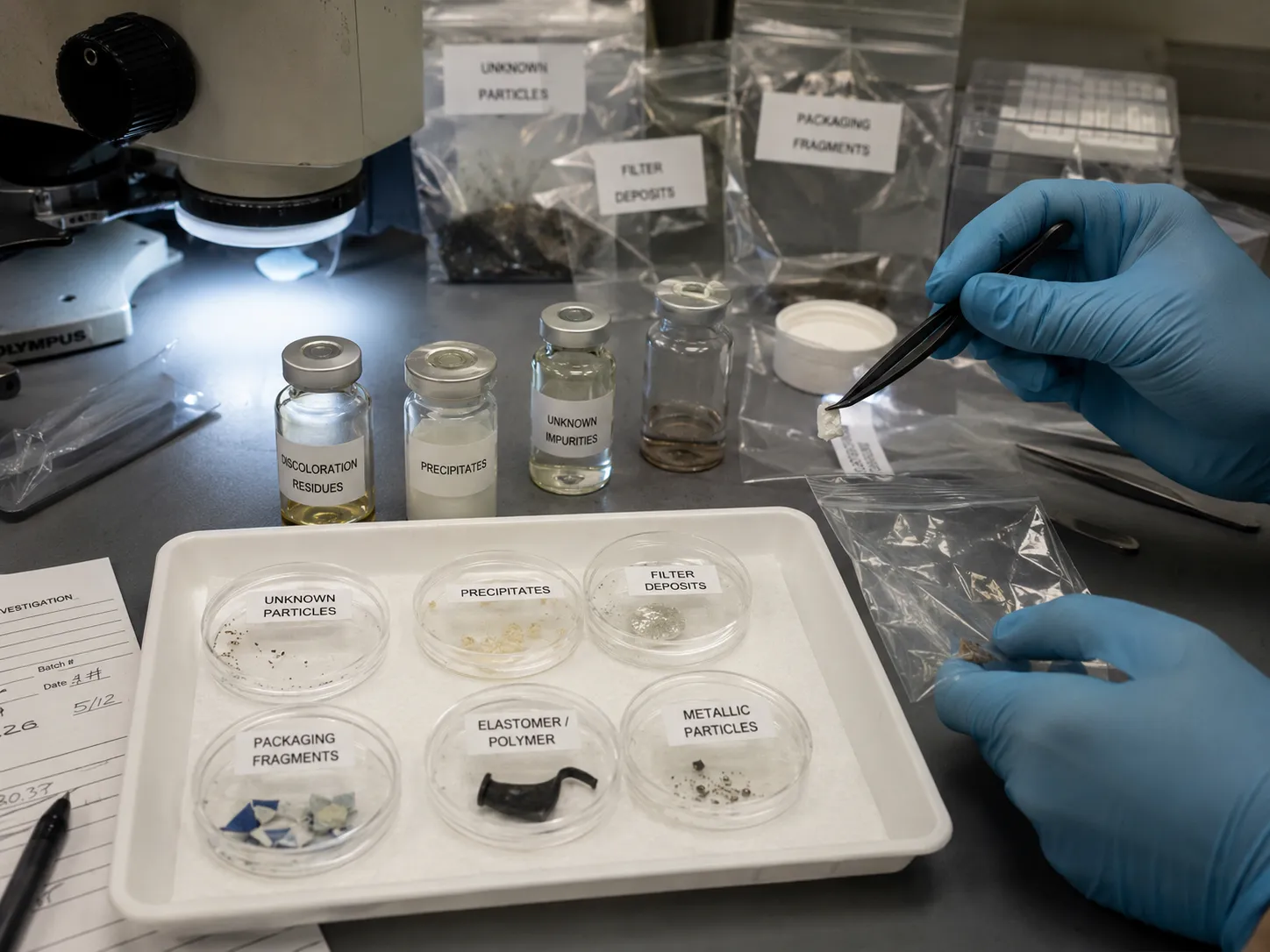
  • Foreign particles and contamination (root-cause and CAPA support)

  • Formulation and excipient effects (compatibility and stability, project-dependent)

Our lab uses orthogonal methods to deliver an evidence-based understanding of what is present and what changed.

FAQs

We can support testing needs depending on your project requirements and documentation expectations. Share your intended use (R&D vs QC vs investigation) so we can align scope appropriately.

Often yes. LC-MS/HRMS is typically the first step; confirmation may require standards or NMR depending on complexity.

Yes—method and limits depend on matrix and targets. ICP-MS is commonly used for trace metals screening.

Yes. XRD/Raman (and thermal tools when needed) can help identify and compare solid-state forms.

Very. A known-good batch or standard makes comparisons faster and conclusions more defensible.

Some analyses can be destructive to the tested portion (e.g., sample prep, certain surface methods). We will clarify in the method plan.

Have additional questions?