
Coatings Deformulation Analysis for Fireproof Coating Development
For coating manufacturers, product performance often depends on much more than a simple list of ingredients. Resin structure, monomer ratio, raw material selection, additive compatibility, curing behavior, hardness, flexibility, and weather resistance can all determine whether a coating formulation succeeds or fails.
This case study shows how Xinbodi Laboratories helped a fireproof coating manufacturer solve a long-standing resin selection problem through coatings deformulation analysis and technical formulation support.
The client had been developing a solvent-based phenolic fireproof coating system. Although the fillers and additives remained consistent during internal trials, the final coating performance was still unsatisfactory. The key bottleneck was resin selection and resin compatibility, which had delayed the client’s development progress for nearly six months.
To overcome this challenge, the client obtained two reference resin samples and asked Xinbodi to perform deep deformulation analysis. The goal was to understand the composition, monomer structure, raw material logic, and possible synthesis route behind the reference samples, so the client could develop a resin system suitable for its own fireproof coating formulation.
Client Challenge: Resin Selection Was Blocking Coating Development
In fireproof coating systems, resin is not just a binder. It plays a critical role in film formation, adhesion, mechanical strength, thermal behavior, weather resistance, and compatibility with fillers and functional additives.
The client had already tried a commercially available phenolic resin, but the coating performance did not meet expectations. Because the filler system and additives were not the main variables, the client suspected that the problem came from the resin itself.
However, choosing the right resin was not straightforward. Different phenolic or modified resin systems may look similar from a product name, but their real performance can vary significantly due to:
- Monomer composition
- Monomer ratio
- Raw material source
- Degree of modification
- Molecular structure
- Residual components
- Solvent compatibility
- Hardness and flexibility balance
- Weather resistance
- Compatibility with fillers and additives
This is a typical situation where coatings deformulation analysis becomes valuable. The client did not only need to know “what is inside the sample.” They needed to understand why the reference resin worked and how to reproduce a similar performance direction.
Samples Provided for Coatings Deformulation Analysis
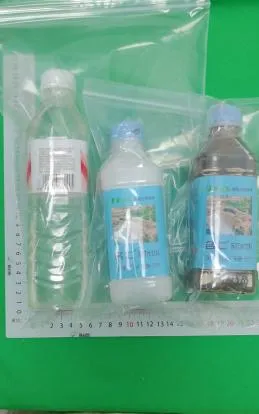
The client provided two reference resin samples for comparative analysis. According to the project information, one sample was a light-yellow phenolic resin and the other was a milky-white urea-formaldehyde resin sample.
These two samples were used as reference materials for evaluating composition differences, possible monomer sources, and formulation direction. By comparing both samples, Xinbodi aimed to identify the key formulation characteristics that could guide the client’s resin synthesis and coating development.
Xinbodi’s Analytical Strategy
For this project, Xinbodi did not treat the samples as routine chemical testing tasks. Instead, the laboratory designed the analysis around the client’s business objective: to shorten coating development time and support successful resin reconstruction.
The coatings deformulation analysis focused on four key questions.
First, what were the main chemical components and possible monomer sources in the reference resin samples?
Second, what was the approximate ratio of key synthetic monomers?
Third, which raw materials or resin types were more suitable for this solvent-based fireproof coating system?
Fourth, how could the analytical results guide the client’s own synthesis route and reduce repeated trial-and-error experiments?
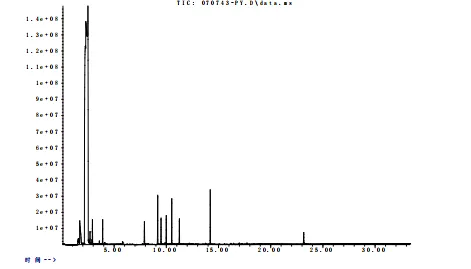
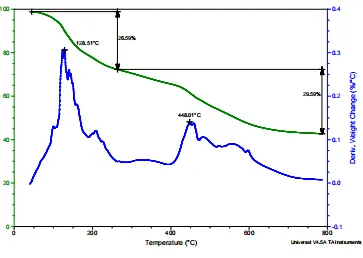
To answer these questions, Xinbodi combined chemical composition analysis, comparative sample analysis, instrumental testing, and formulation interpretation. The focus was not only on identifying ingredients, but also on connecting the test results with coating performance requirements such as weather resistance, hardness, and toughness.
Key Findings: From Composition Data to Formulation Direction
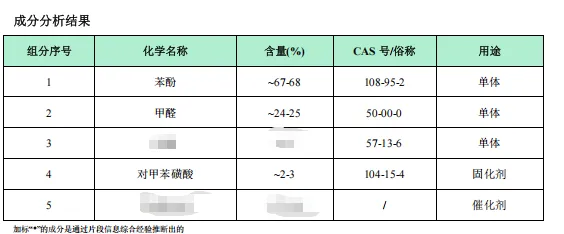
Through coatings deformulation analysis, Xinbodi helped the client clarify the main compositional characteristics of the two reference resin samples. The analysis provided information about specific monomers, possible raw material selection, and the likely synthesis pathway behind the reference products.
This was important because coating development problems are often caused by formulation balance rather than one obvious missing ingredient. A resin may be broadly described as “phenolic resin,” but the actual coating performance depends on how the resin is built.
For the client, the most useful outcome was a clearer technical direction:
Which monomer structure should be considered
Which raw material selection was more suitable
How the monomer ratio could influence performance
Why the previous resin choice may have failed
How to adjust synthesis direction for the target coating system
This type of result is more valuable than a simple composition list. It helps the client’s R&D team make decisions faster and avoid months of blind formulation trials.
Result: Development Time Reduced From Six Months of Trial-and-Error to One Month
Before working with Xinbodi, the client had been struggling with resin selection for nearly six months. After receiving Xinbodi’s deformulation results and technical interpretation, the client worked with its internal R&D team to adjust the synthesis route.
With the support of Xinbodi’s analysis, the client successfully produced a finished resin sample that met the reference product requirements in about one month.
This result demonstrates the commercial value of coatings deformulation analysis. It can help coating manufacturers reduce development uncertainty, avoid repeated raw material trials, shorten R&D cycles, and move faster from sample comparison to practical formulation improvement.
Why Coating Manufacturers Need Deformulation Analysis
Many coating manufacturers face similar problems. A product may fail to reach the target hardness, flexibility, adhesion, weather resistance, flame-retardant performance, gloss, drying behavior, or compatibility. In many cases, routine testing cannot fully explain the issue.
Coatings deformulation analysis helps manufacturers answer practical questions such as:
Why does one coating sample perform better than another?
What are the key differences between a reference product and our current formulation?
Which resin, additive, solvent, filler, or modifier may be affecting performance?
How can we reconstruct or improve a coating formulation more efficiently?
How can we reduce trial-and-error during product development?
How can we evaluate competitor samples or supplier alternatives?
For R&D teams, this type of analysis provides a technical shortcut. Instead of testing dozens of raw materials blindly, manufacturers can use laboratory evidence to focus on the most likely formulation direction.
For purchasing and sourcing teams, deformulation analysis can also support supplier comparison, raw material verification, and China-based alternative evaluation.
Xinbodi’s Coatings Deformulation Analysis Services
Xinbodi Laboratories provides coatings deformulation analysis and formulation support for manufacturers of fireproof coatings, industrial coatings, protective coatings, resin systems, adhesives, sealants, inks, polymers, and specialty chemicals.
Our analysis can support projects involving:
- Phenolic resin analysis
- Fireproof coating formulation analysis
- Solvent-based coating analysis
- Water-based coating analysis
- Resin deformulation
- Coating reverse engineering
- Additive and filler identification
- Raw material comparison
- Supplier sample evaluation
- Batch difference investigation
- Coating failure analysis
- Formulation reconstruction support
Depending on the sample and project objective, Xinbodi can combine multiple analytical methods to identify organic components, inorganic fillers, additives, solvents, monomers, impurities, and performance-related formulation differences.