
What Is Chemical Composition Analysis and Testing?
Chemical composition analysis is the process of determining what a sample is made of. Depending on the material and project goal, it may include the identification of organic compounds, inorganic substances, fillers, additives, impurities, contaminants, residues, active ingredients, solvents, metals, and trace components.
Chemical composition testing can be qualitative, quantitative, or both. Qualitative analysis answers the question: “What components are present in this sample?” Quantitative analysis answers: “How much of each component is present?” In many industrial projects, both are required. A manufacturer may need to know not only whether a material contains a certain additive, but also whether its concentration is different from a reference sample or competitor product.
For complex materials and formulations, a single test is often not enough. A reliable result usually requires multiple analytical methods, data comparison, and expert interpretation. This is especially important for plastics, rubber products, coatings, adhesives, cleaning products, lubricants, electronic materials, construction chemicals, and other formulated products.
When a product performs differently from expectations, when a new supplier sample needs to be verified, or when a manufacturer wants to improve an existing formulation, chemical composition analysis provides the technical evidence needed to make better decisions. Instead of relying only on trial-and-error testing, manufacturers can use laboratory data to understand what is inside a material and how each component may affect performance, stability, safety, cost, and production consistency.
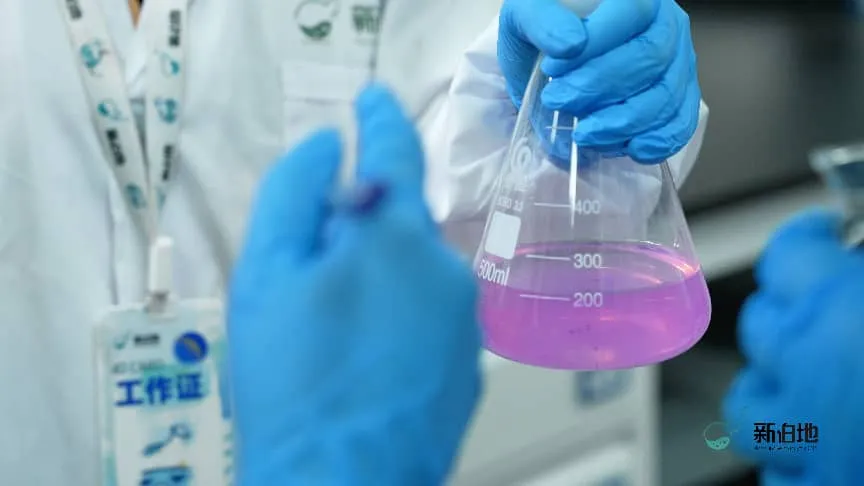
What Can Chemical Composition Analysis Identify?
Chemical composition analysis can be used to examine a wide range of materials and product types. Common targets include:
-
- Main chemical components and active ingredients
-
- Organic and inorganic compounds
-
- Additives, fillers, stabilizers, plasticizers, pigments, and flame retardants
-
- Impurities, residues, contaminants, and harmful substances
-
- Solvents, monomers, by-products, and degradation products
-
- Metal elements, ash content, moisture, acidity, and other key indicators
-
- Formula differences between two or more samples
-
- Possible material changes related to failure or quality variation
For raw materials, composition analysis helps verify whether incoming materials meet specifications before production. For semi-finished products or process intermediates, it helps monitor reaction progress, residual reactants, by-products, and process stability. For finished products, it helps verify whether the composition matches design requirements and whether product quality is consistent. For equipment media such as lubricating oil, coolant, or circulating water, it can help evaluate aging, contamination, oxidation, corrosion risk, and equipment wear.
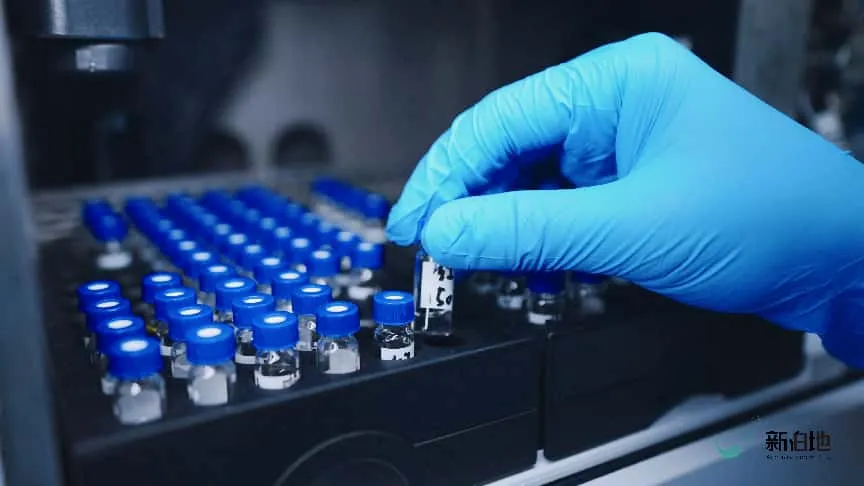
When Do Manufacturers Need Chemical Composition Analysis?
Manufacturers usually request chemical composition analysis when they need clear answers from a physical sample. The following situations are especially common.
1. Raw Material Verification and Supplier Evaluation
Changing suppliers can reduce cost, but it also introduces risk. Even when two materials have similar names or specifications, their actual composition, impurity profile, additive system, or trace components may be different.
Chemical composition analysis helps manufacturers compare supplier samples, verify raw material quality, identify harmful impurities, and evaluate whether a new material is suitable for production. This is especially useful for raw material substitution, double sourcing, imported material replacement, and cost-down projects.
2. Product Failure Analysis and Quality Troubleshooting
When a product cracks, peels, changes color, loses adhesion, develops odor, shows poor durability, or fails performance testing, the cause may be related to composition changes, contamination, additive loss, raw material variation, process residues, or unexpected impurities.
Chemical composition testing can help narrow down possible causes by comparing failed samples with qualified samples. By identifying differences in components, additives, residues, or degradation products, manufacturers can make more informed decisions about production adjustment, supplier review, or formulation improvement.
3. Formulation Comparison and Competitor Product Benchmarking
For companies developing or improving products, competitor product analysis can provide useful technical direction. Chemical composition analysis can help identify key formulation components, compare formula differences, and reveal potential reasons behind differences in performance, stability, appearance, or cost.
This does not mean simply copying a product. For manufacturers, the real value is understanding the formulation system, identifying improvement opportunities, and reducing unnecessary trial-and-error during R&D.
4. Raw Material Substitution and Cost Reduction
Many manufacturers face pressure to reduce raw material costs or replace expensive imported ingredients. However, substitution without testing can lead to instability, performance loss, or production defects.
By analyzing the composition of existing materials and comparing alternative samples, chemical composition testing helps manufacturers evaluate whether a substitute material is technically reasonable. It can also help identify which components have the greatest impact on performance, allowing R&D teams to reduce cost while maintaining product quality.
5. Product Development and Formulation Optimization
Chemical composition analysis can support new product development by helping R&D teams understand how different components contribute to performance. For example, additives may affect flexibility, aging resistance, flame retardancy, viscosity, adhesion, hardness, color stability, or surface properties.
With composition insights, manufacturers can improve formulations more efficiently, reduce development uncertainty, and move from sample testing to practical product decisions.
Common Analytical Methods Used in Chemical Composition Testing
Different samples require different methods. A professional laboratory will select analytical techniques based on the material type, target components, detection limits, and project objective.
Common methods include:
-
- FTIR for functional group identification and material screening
-
- GC-MS for volatile and semi-volatile organic compounds
-
- LC-MS for non-volatile organic compounds and complex additives
-
- ICP-MS or ICP-OES for trace elements and metal analysis
-
- XRF for elemental screening
-
- XRD for crystalline structure and inorganic material identification
-
- SEM-EDS for surface morphology and elemental distribution
-
- TGA for thermal decomposition and filler content estimation
-
- DSC for thermal transition behavior
-
- GPC for molecular weight distribution
-
- NMR for structural confirmation
-
- Py-GC-MS for polymer and rubber material analysis
-
- Rheology and viscosity testing for flow and processing behavior
For complex industrial samples, multi-method analysis is often necessary. The value of chemical composition analysis does not only come from the instrument data itself, but from how the data is interpreted and connected to the manufacturer’s actual problem.
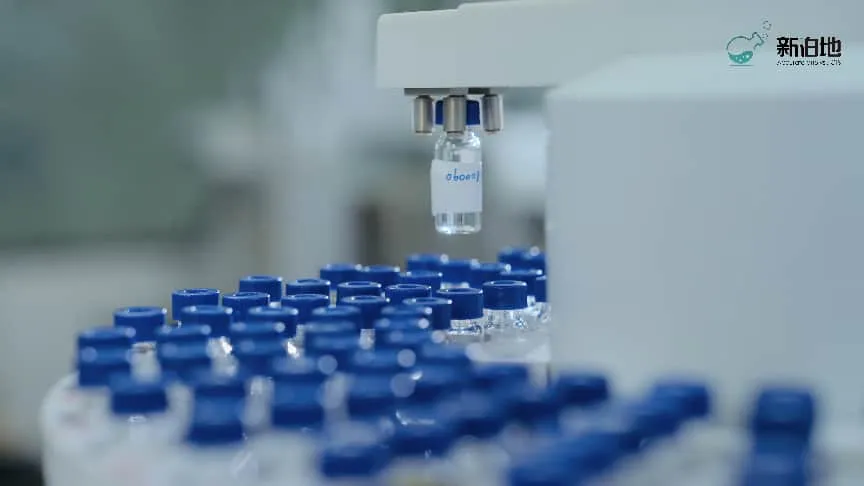
What Should a Good Chemical Composition Analysis Report Include?
A useful report should provide more than raw instrument data. Manufacturers need results that can support decisions.
A strong chemical composition analysis report may include:
-
- Sample information and testing objective
-
- Analytical methods used
-
- Identified components and possible component categories
-
- Estimated or measured content of key components
-
- Additives, impurities, residues, or contaminants detected
-
- Comparison between samples when applicable
-
- Interpretation of possible causes or formulation differences
-
- Technical conclusions and next-step recommendations
For R&D, quality control, supplier evaluation, or failure investigation, the most valuable part is often the interpretation. Manufacturers need to understand what the data means for product quality, cost, performance, production process, and future improvement.
Why Work with Xinbodi Laboratories?
Xinbodi Laboratories helps manufacturers move beyond basic testing data. We provide chemical composition analysis, material testing, deformulation, impurity analysis, failure analysis, formulation reconstruction, and R&D technical support for complex chemical and material samples.
Fast Response and Efficient Turnaround
We provide a response within 24 hours, with technical director support for project communication. For many projects, results can be delivered in about 7–10 working days after sample receipt, depending on sample complexity and testing scope.
Advanced Lab Capacity and Testing Methods
Backed by 4,000+ m² R&D laboratories, 100+ precision instruments, and 60,000+ sample orders, Xinbodi applies multi-method analysis to complex chemical and material samples. Our testing capability supports plastics, rubber, coatings, adhesives, additives, industrial chemicals, electronic materials, construction materials, and other manufacturing fields.
High-Accuracy Formulation Reconstruction
For suitable deformulation and formulation reconstruction projects, internal project experience shows reconstruction accuracy can exceed 90%, depending on sample type and complexity. This helps manufacturers better understand key components, raw material selection, and formulation logic.
Beyond Testing: R&D Support
We do not only provide test data. We turn chemical composition and component analysis into formulation insights, failure diagnosis, raw material guidance, manufacturing process suggestions, and follow-up technical recommendations. This helps manufacturers reduce trial-and-error, lower R&D costs, and improve development efficiency.
Raw Material Selection and Substitution Support
For formulation reconstruction and raw material replacement projects, Xinbodi can help analyze chemical composition, provide specific ingredient information and estimated proportions, explain the function of each raw material, recommend raw material selection logic, and support manufacturers in evaluating alternative materials.
China Supply Chain Advantage
Based in Shanghai, we help global manufacturers compare supplier samples, evaluate China-based alternatives, and make informed sourcing decisions within China’s chemical manufacturing ecosystem. This is especially valuable for companies seeking raw material substitution, cost reduction, supplier qualification, or imported material replacement.
Confidential Project Handling
We protect proprietary formulations, samples, supplier information, and IP-sensitive data throughout the testing and reporting process. Confidentiality is essential for product development, competitor benchmarking, supplier evaluation, and formulation improvement projects.
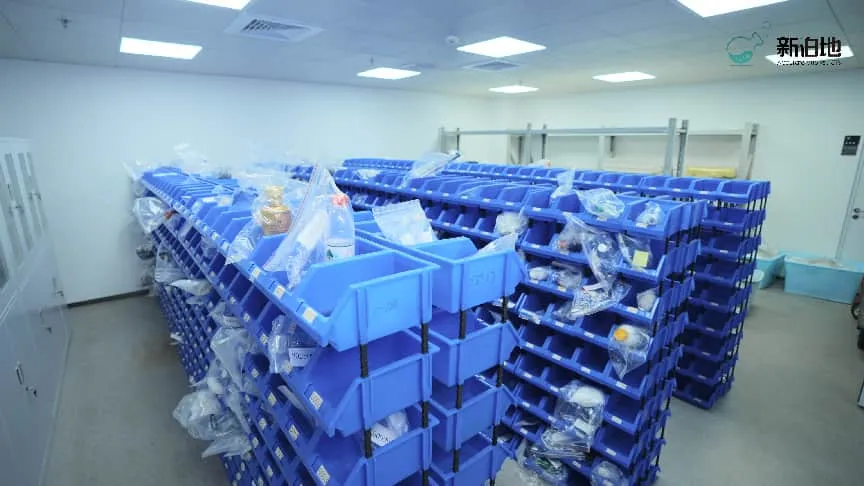
From Testing Data to Better Product Decisions
Chemical composition analysis and testing can help manufacturers understand what is inside a sample, why a product behaves differently, whether a raw material can be replaced, and how a formulation may be improved. For companies facing product failure, supplier changes, high material costs, or development uncertainty, laboratory analysis can provide a clearer technical path.
If your team needs more than a basic ingredient list, Xinbodi Laboratories can help you identify chemical components, detect impurities and additives, compare formulation differences, reconstruct key material composition, and turn analytical results into practical R&D guidance.
Contact Xinbodi Laboratories to discuss your sample, testing objective, project timeline, and recommended analysis plan.