
Chemical reverse engineering, also known as deformulation, is the process of breaking down a finished product to identify, separate, and quantify its chemical components. It is widely used for competitive product analysis, quality control, troubleshooting, raw material substitution, cost reduction, product improvement and patent analysis across industries like pharmaceuticals, polymers, and cosmetics.
What Is Reverse Engineering of Chemical Formulations?
For many manufacturers, product development starts with a simple question: what is inside this product, and why does it perform this way?
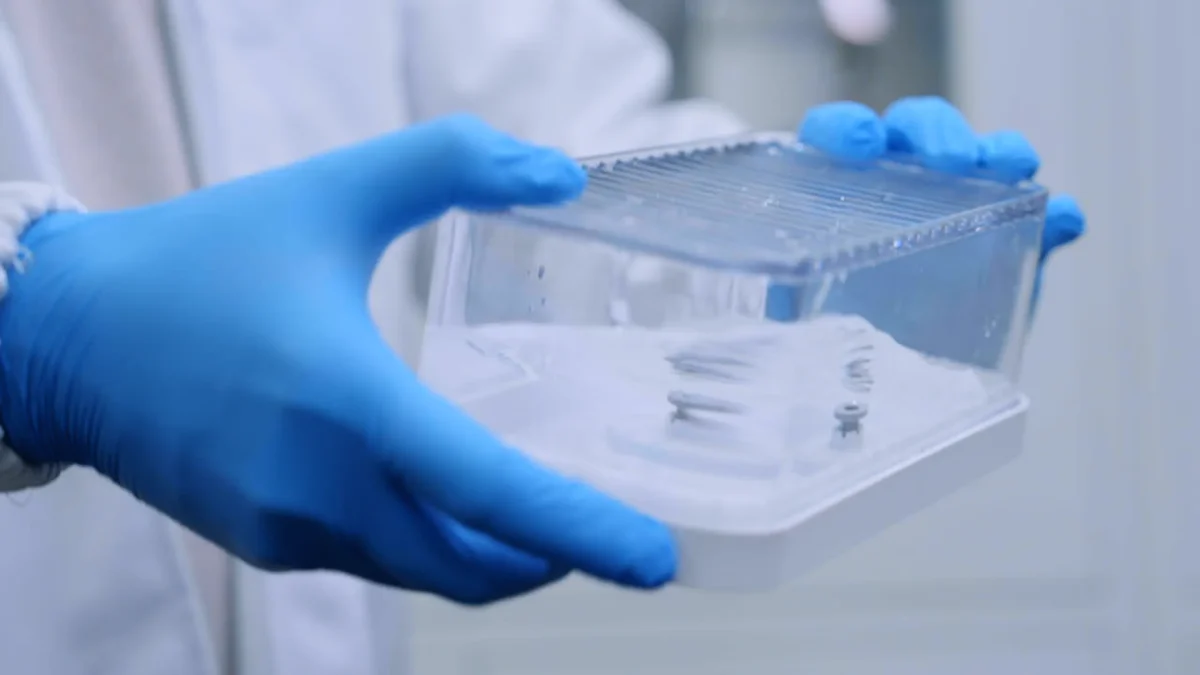
Reverse engineering of chemical formulations is a laboratory-based process used to analyze a product sample and understand its formulation system. It can help identify major ingredients, additives, fillers, solvents, polymers, stabilizers, impurities, and other functional components.
The goal is not only to find a list of ingredients. A useful reverse engineering project helps manufacturers understand how key materials may work together, which components may affect product performance, and how the formulation can be improved, replaced, or optimized.
When Do Manufacturers Need Formulation Reverse Engineering?
Chemical formulations are often complex. A small change in raw material type, additive level, impurity profile, or component ratio can affect stability, adhesion, viscosity, flexibility, durability, drying speed, surface quality, odor, or production consistency.
Manufacturers often use reverse engineering when they need to:
- Understand a competitor product
- Develop a similar or improved product faster
- Identify key ingredients and approximate ratios
- Compare formulation differences between two samples
- Replace expensive or hard-to-source raw materials
- Reduce R&D trial-and-error
- Investigate product quality issues
- Improve product performance or stability
For companies under pressure to launch new products quickly, reverse engineering can provide a more efficient starting point than developing a formulation from scratch.
From Competitor Sample to Product Development Direction
One common use of formulation reverse engineering is competitor product analysis.
When a competitor product performs better, costs less, or has stronger market acceptance, manufacturers need to understand the technical reasons behind the difference. Reverse engineering can help compare the competitor sample with your own product and identify possible formulation differences.
These differences may involve:
- Main active ingredients
- Additive systems
- Fillers and pigments
- Solvent systems
- Polymer or resin types
- Impurities or residues
- Key component ratio changes
This does not mean blindly copying a formula. The real value is to understand the formulation strategy, identify useful technical references, and develop a product that fits your own performance goals, raw material supply, and production conditions.
Supporting Raw Material Substitution and Cost Reduction
Many manufacturers also use reverse engineering to reduce formulation cost.
If a product depends on expensive imported materials or unstable suppliers, formulation analysis can help identify key raw materials and evaluate possible alternatives. By comparing the original product with alternative supplier samples, manufacturers can better understand whether a replacement material is technically reasonable.
This can support:
- Local supplier evaluation
- Imported raw material replacement
- Cost-down reformulation
- Double sourcing or multi-sourcing
- Production risk reduction
Instead of changing materials only based on supplier datasheets, manufacturers can use analytical testing to compare real sample composition and reduce the risk of product failure after substitution.
We explain the role of key raw materials and support supplier comparison, material substitution, and cost reduction. Based in Shanghai, we help global manufacturers evaluate China-based alternatives and make informed sourcing decisions.
How Reverse Engineering Helps Improve Formulations
Reverse engineering can also support product improvement.
For example, if a coating needs better adhesion, if a rubber product needs improved aging resistance, or if a cleaning product needs better stability, formulation reverse engineering can help identify which components may be related to the target performance.
By understanding the role of key ingredients, R&D teams can make more focused adjustments instead of repeating broad trial-and-error experiments.
Reverse engineering may help guide decisions such as:
- Which additive should be adjusted
- Which raw material may be replaced
- Which component may affect performance
- Which sample should be used as a reference
- Which formulation direction should be tested next
For product development teams, this can save time, reduce uncertainty, and improve the efficiency of formulation optimization.
Can Reverse Engineering Reveal the Exact Formula?
A laboratory can often identify major ingredients, important additives, impurities, and estimated component ratios. In some projects, certain components can be measured with relatively clear quantitative data.
However, complex chemical formulations may contain proprietary additives, trace materials, reaction products, or polymer systems that cannot always be converted into a guaranteed 100% exact formula.
A reliable reverse engineering report should clearly explain:
- What components are confirmed
- What ratios are measured or estimated
- What materials are inferred from analytical evidence
- What limitations may exist
- What next-step validation is recommended
This is important because reverse engineering should support product decisions, not create unrealistic expectations.
Common Analytical Methods
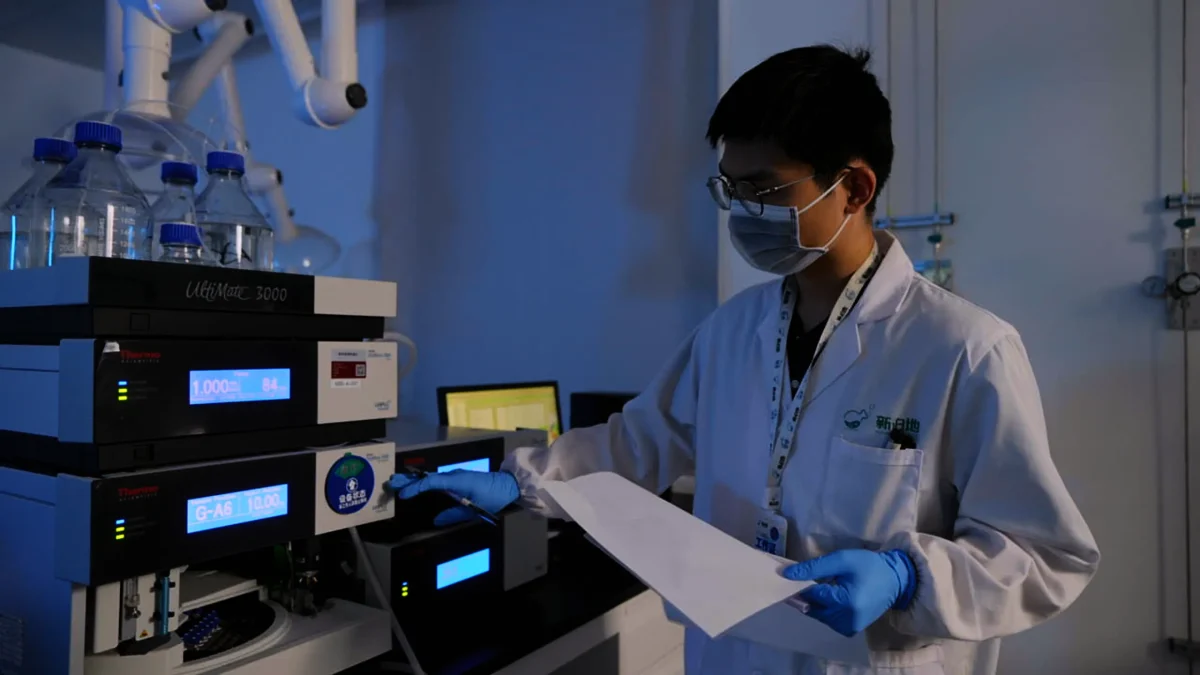
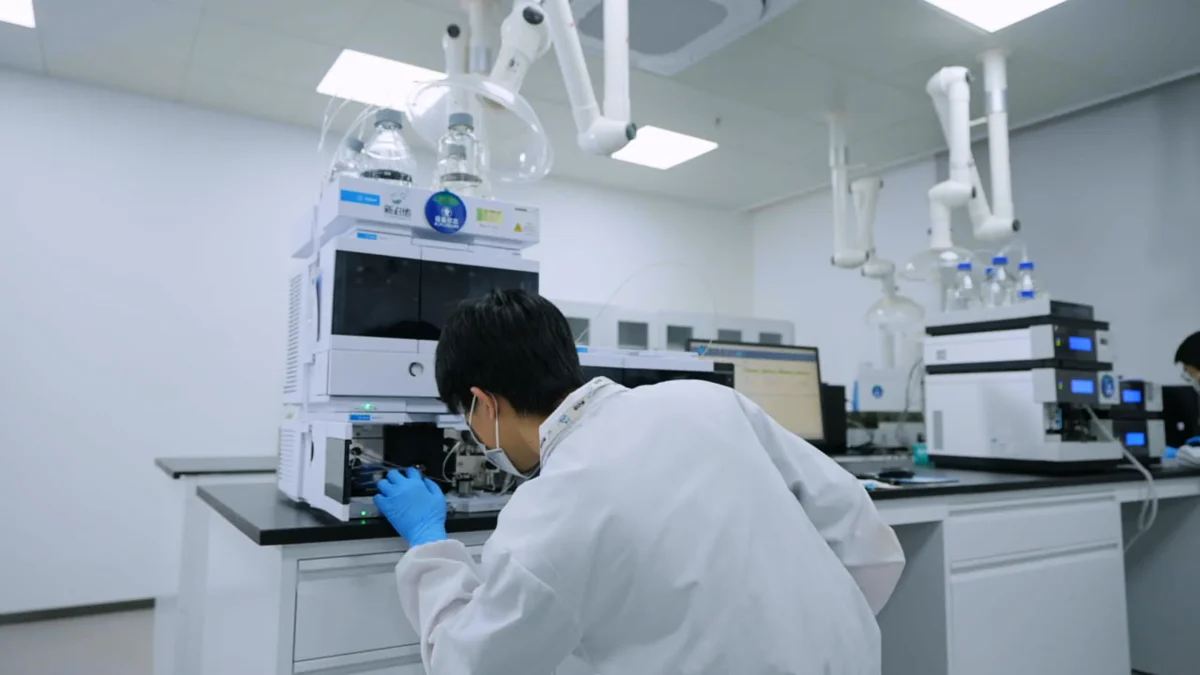
Reverse engineering of chemical formulations usually requires multiple testing methods. The right method depends on the sample type, target components, and project goal.
Common methods may include FTIR, GC-MS, LC-MS, ICP-MS, ICP-OES, XRF, XRD, SEM-EDS, TGA, DSC, GPC, NMR, Py-GC-MS, rheology testing, and other analytical techniques.
For complex formulations, the value comes not only from instrument data, but from connecting different results into a clear formulation interpretation.
How Xinbodi Lab Supports Chemical Formulation Reverse Engineering
Xinbodi Lab helps manufacturers turn product samples into formulation insights, raw material guidance, and practical R&D direction.
For reverse engineering of chemical formulations, we can help:
- Identify key ingredients, additives, fillers, impurities, and contaminants
- Estimate important component ratios where technically possible
- Compare competitor products, supplier samples, failed samples, or reference samples
- Analyze formulation differences between two or more products
- Support raw material substitution and cost reduction
- Provide formulation reconstruction and optimization guidance
- Recommend next-step testing or validation for R&D teams
Xinbodi Lab combines chemical composition analysis, deformulation, material characterization, failure analysis, and formulation-related R&D support. For suitable formulation reconstruction projects, internal project experience shows reconstruction accuracy can exceed 90%, depending on sample complexity and project conditions. We explain the role of key raw materials and support supplier comparison, material substitution, and cost reduction. Based in Shanghai, we help global manufacturers evaluate China-based alternatives and make informed sourcing decisions.
We also provide 24-hour response, technical director support, and efficient turnaround for many projects in about 7–10 working days after sample receipt, depending on testing scope and sample complexity.
From Sample Analysis to Faster Product Development
Reverse engineering of chemical formulations is not just about knowing what is inside a product. It is about helping manufacturers make better product decisions.
It can help you understand a competitor product, reduce R&D trial-and-error, replace costly raw materials, improve product performance, and develop new products faster at lower cost.
If your team has a product sample and needs formulation insight, Xinbodi Lab can help turn sample analysis into practical technical direction.
Contact Xinbodi Lab to discuss your sample, testing objective, and recommended reverse engineering plan.
FAQ
Can reverse engineering identify a product formula from a sample?
Reverse engineering can often identify major ingredients, key additives, impurities, and estimated component ratios. The final result depends on sample complexity, testing methods, and the type of formulation.
Can reverse engineering help develop a similar product?
Yes. It can provide formulation direction, ingredient information, ratio estimates, and raw material guidance to support faster product development.
Can it help reduce R&D costs?
Yes. By starting from sample analysis and formulation insight, manufacturers can reduce unnecessary trial-and-error and focus development on more practical formulation directions.
Can Xinbodi compare a competitor product with our product?
Yes. Xinbodi can compare competitor samples, reference products, supplier samples, or failed samples to identify formulation differences and possible improvement directions.