
Composition & Materials ID
Comprehensive materials testing solutions to evaluate the mechanical, thermal, chemical, and physical properties of polymers, coatings, adhesives, composites, metals, and specialty materials.
What Is Materials Testing?
Materials testing refers to the scientific evaluation of a material’s behavior under mechanical, thermal, chemical, and environmental conditions. It allows manufacturers, engineers, and researchers to understand how materials perform in real-world applications and under critical operating conditions.
Through materials testing, you can assess:
- Mechanical performance and durability
- Structural integrity and microstructure
- Thermal stability and transitions
- Chemical composition and purity
- Environmental and chemical resistance
- Compliance with industrial standards and regulations
- Root causes of material degradation or failure
By understanding how materials respond to different conditions, companies can improve product performance, prevent defects, reduce risk, and optimize manufacturing processes.
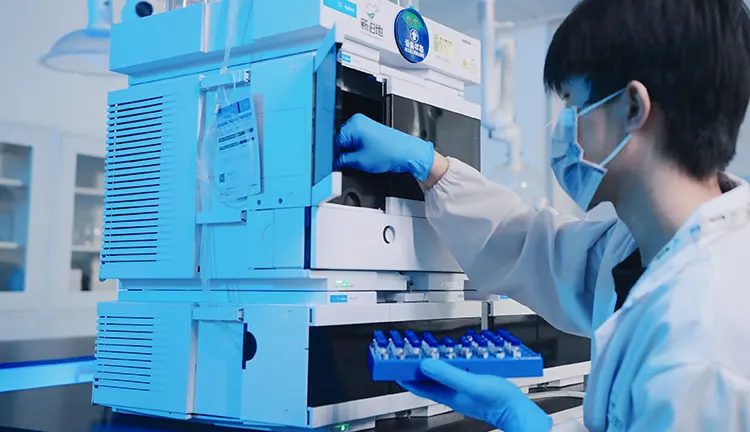
Our Materials Testing Capabilities
We offer a broad portfolio of materials testing services, categorized into mechanical, thermal, chemical, and physical property evaluations. Testing programs can be tailored to specific standards, customer specifications, or application requirements.
Our Materials Testing Capabilities
Thermal analysis provides insight into degradation behavior, melting and crystallization, curing, and glass transition phenomena. These properties are critical for processing, application performance, and long-term stability.
- DSC (Differential Scanning Calorimetry): Glass transition (Tg), melting point (Tm), crystallinity, curing behavior
- TGA (Thermogravimetric Analysis): Thermal stability, decomposition profiles, residual content
- DMA (Dynamic Mechanical Analysis): Viscoelastic behavior, storage/loss modulus, damping characteristics
- TMA (Thermomechanical Analysis): Dimensional changes with temperature, expansion, softening
- Vicat Softening Point: Softening temperature of thermoplastic materials
- Heat Deflection Temperature (HDT): Temperature at which a material deforms under load
Thermal testing supports material selection, formulation optimization, and quality assurance throughout the product lifecycle.
Chemical Testing
Chemical testing identifies composition, purity, trace components, and degradation pathways. It is crucial for validating formulations and ensuring performance consistency.
- FTIR Spectroscopy Analysis: Chemical structure and functional group identification
- Raman Spectroscopy Analysis: Material fingerprinting and structural characterization
- GC-MS / LC-MS Analysis: Identification and quantification of organic compounds and additives
- ICP Analysis: Elemental composition and trace metals
- Chemical Resistance Testing: Stability in solvents, acids, alkalis, and aggressive media
- Residual Solvent Analysis: Detection of volatile compounds remaining after processing
- Additive & Stabilizer Analysis: Plasticizers, antioxidants, UV stabilizers, fillers, and more
These tests reveal whether a material’s formulation is consistent, properly stabilized, and suitable for the intended environment.
Industries We Serve
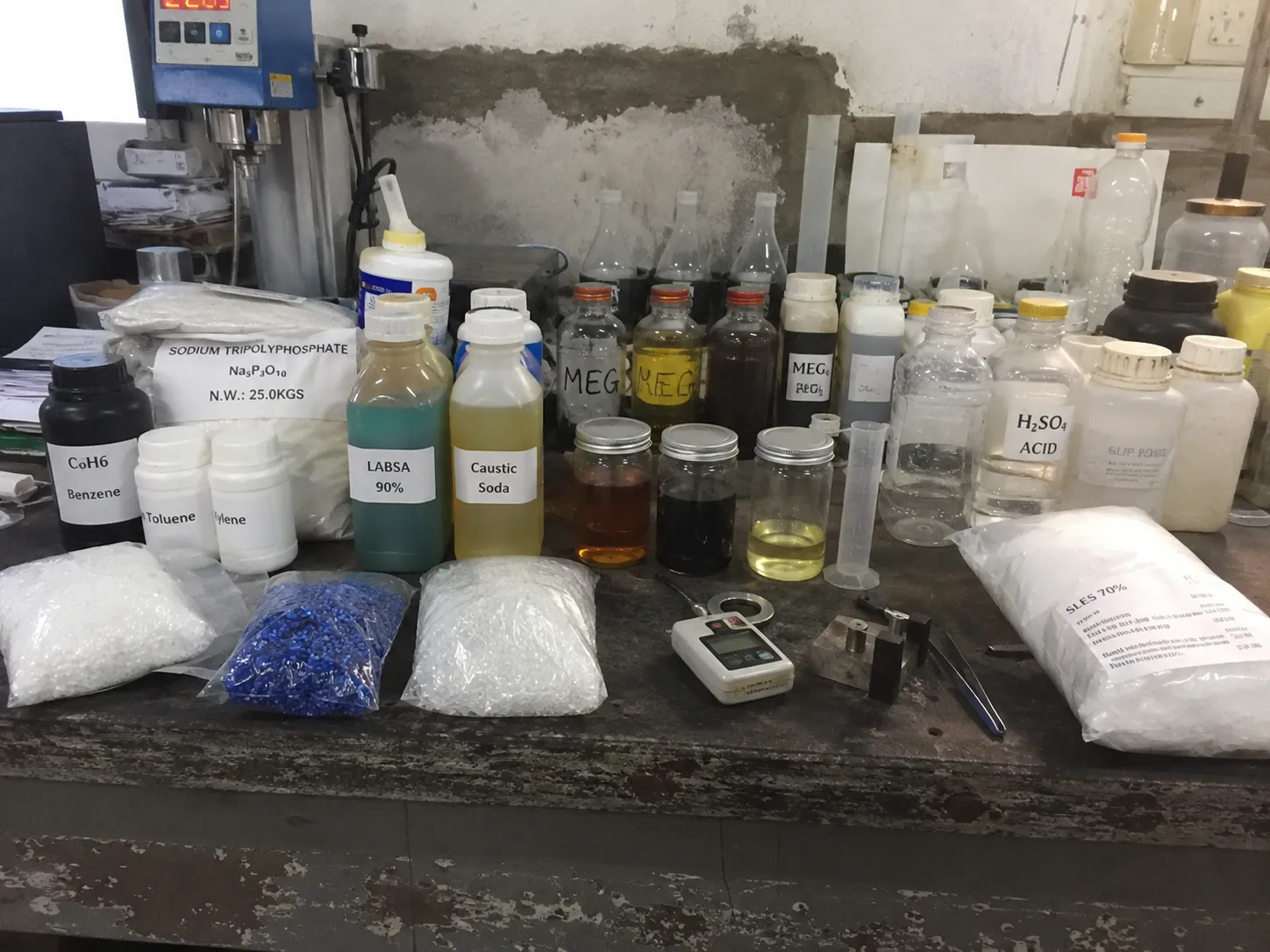
Chemicals
Agrochemicals, Industrial Chemicals, Dyes, Lubricants, Polymers, Plastics, Adhesives, Coatings, Rubber, Inks
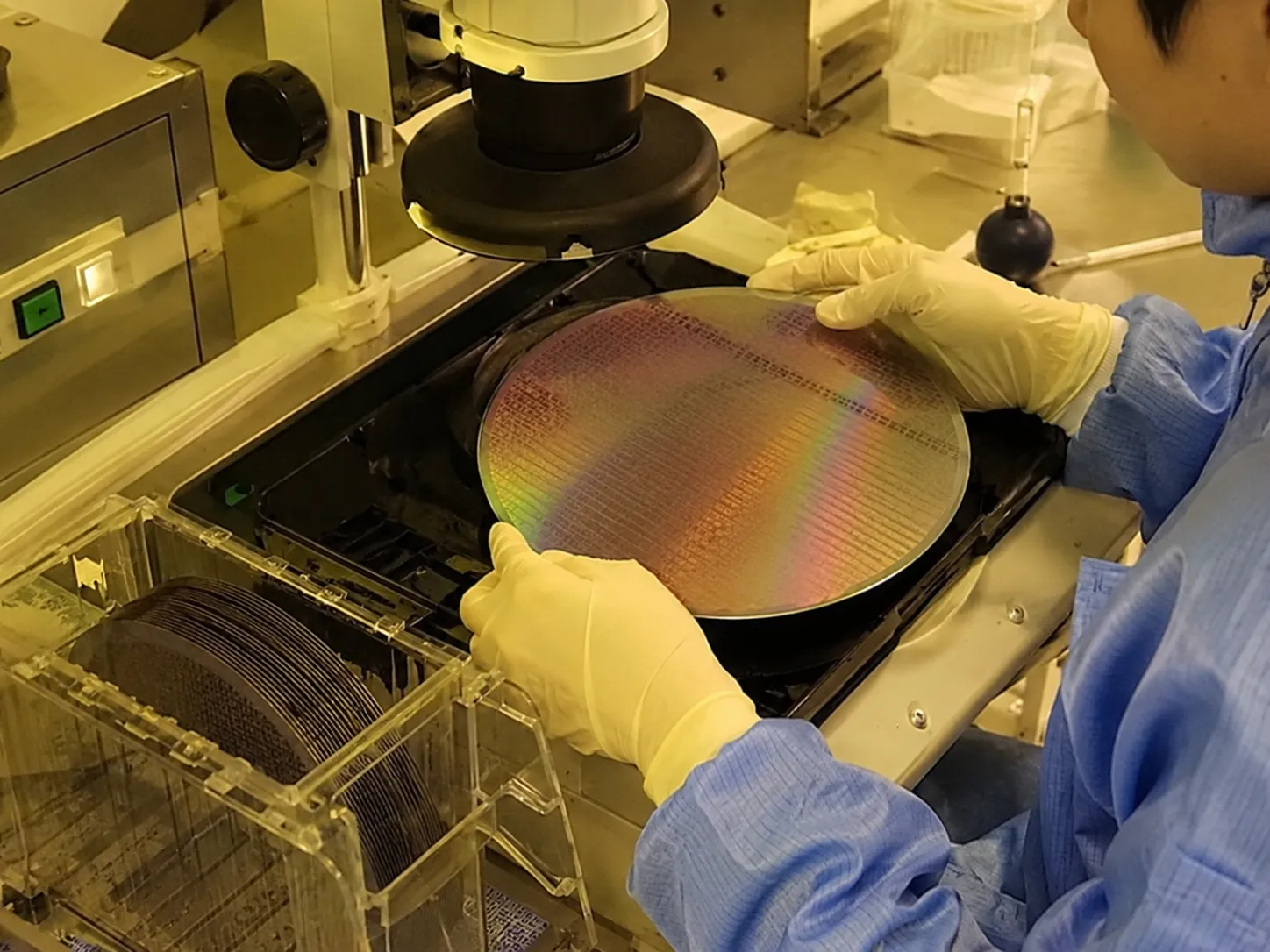
Energy
Aerospace, Semiconductors, Oil & Gas, Minerals, Biofuels, Battery Materials
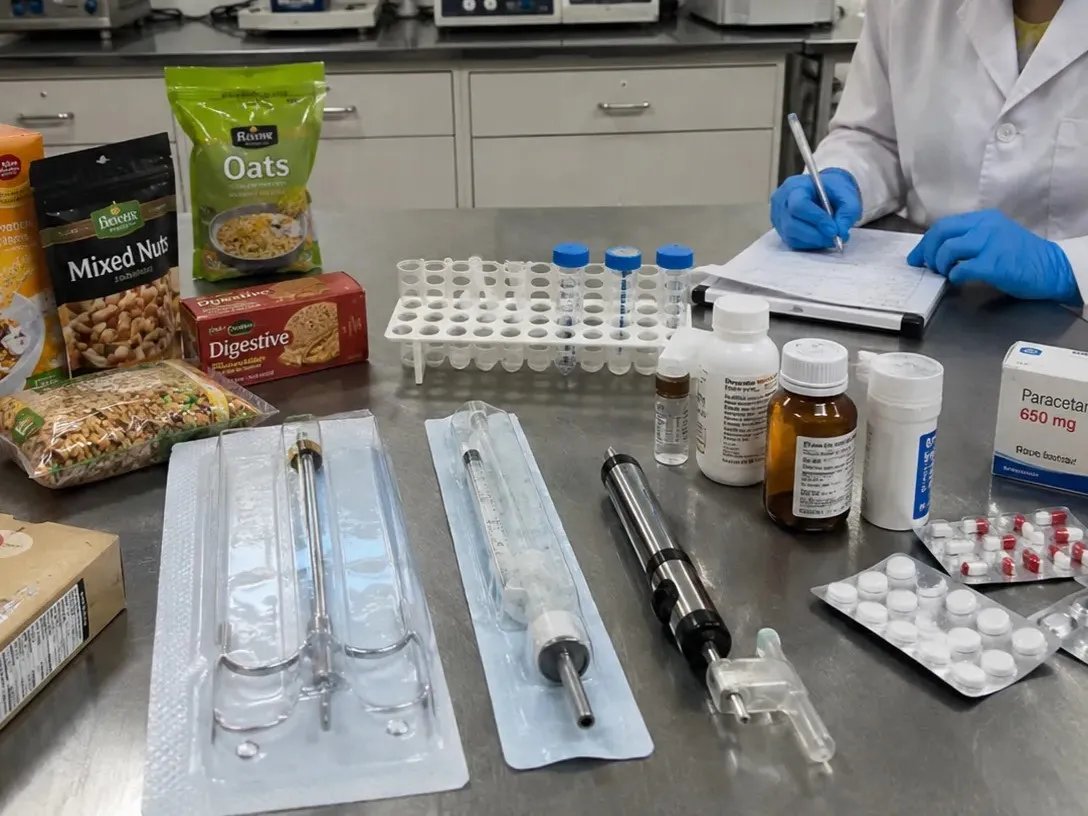
Food & Healthcare
Food, Medical Devices, Pharmaceutical
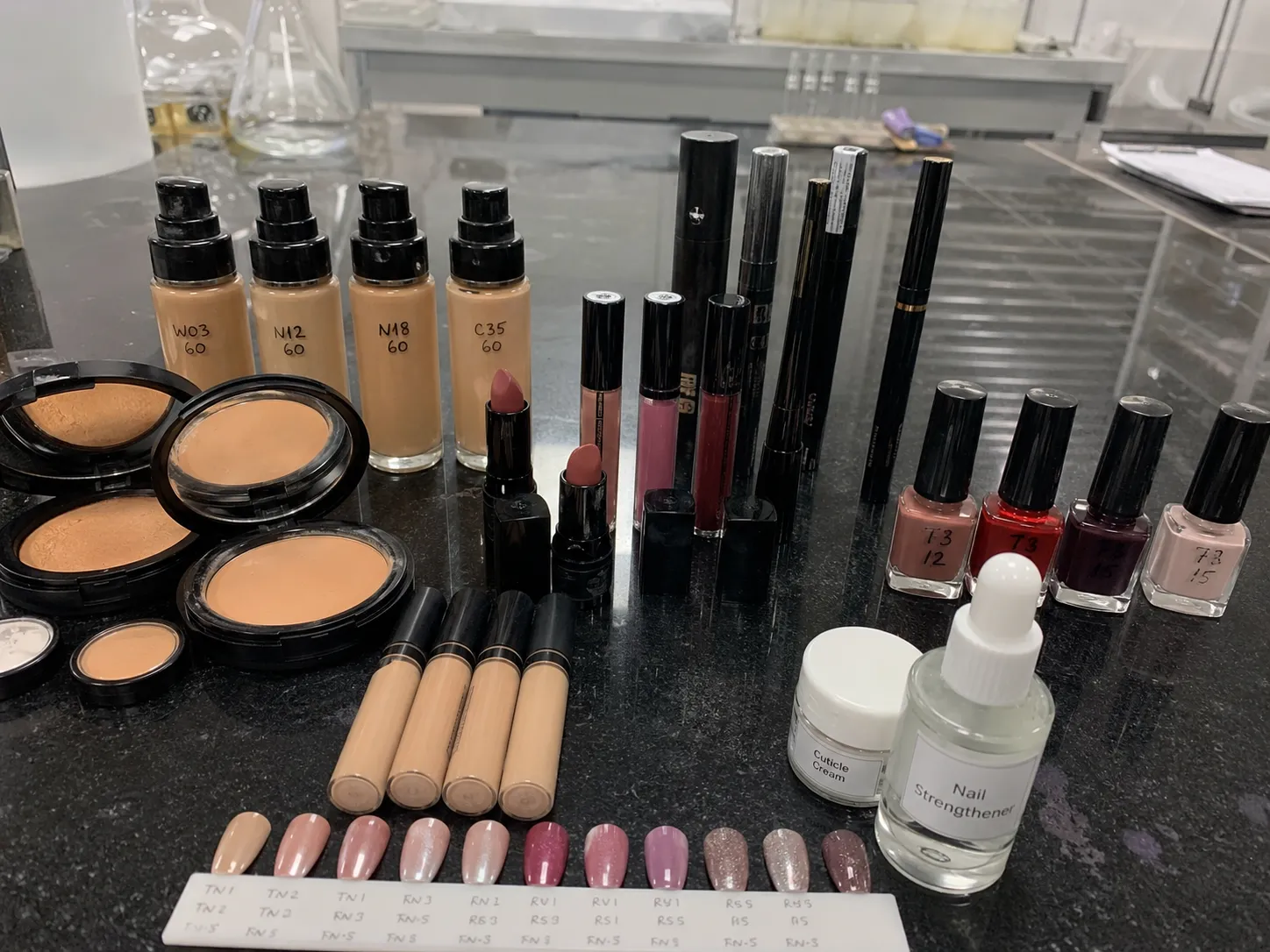
Cosmetics & Personal Care
Cosmetics Disinfection Products
Materials We Test
We can also design custom testing programs for non-standard materials or specialized applications.
Our laboratory supports testing for a wide range of materials used in industrial and consumer applications. Typical materials include:
- Polymers and engineering plastics
- Rubber and elastomers
- Adhesives, sealants, and tapes
- Coatings, paints, and inks
- Composite materials
- Electronic materials and components
- Metals and alloys (selected tests)
- Packaging films, laminates, and paper materials
- Ceramics, powders, and fillers
- Chemical formulations and specialty chemicals
- Cosmetic and personal care materials
Our Materials Testing Capabilities
Mechanical testing evaluates how a material reacts to applied loads, deformation, and stress. These tests are essential for understanding strength, stiffness, toughness, and long-term reliability.
- Tensile Testing: Tensile strength, elongation at break, elastic modulus
- Flexural Testing: Bending strength and stiffness for plastics, composites, etc.
- Compression Testing: Behavior under compressive loads and dimensional changes
- Hardness Testing: Shore, Rockwell, Vickers hardness for polymers, coatings, metals
- Impact Resistance: Charpy/Izod impact performance and toughness
- Adhesion & Peel Strength: Bonding performance of adhesives, sealants, coatings, laminates
- Nanoindentation: Micro-scale hardness and modulus for thin films, coatings, and small features
Mechanical testing helps determine whether a material is suitable for a specific design, load case, or safety requirement.
Physical Property Testing
Physical property testing determines general characteristics related to appearance, density, structure, and behavior under specific conditions.
- Density & Specific Gravity: Bulk and apparent density
- Moisture Content & Water Absorption: Hygroscopic behavior and storage sensitivity
- Viscosity & Rheology: Flow behavior of liquids, pastes, and melts
- Particle Size Distribution: Granular and powder characteristics
- Surface Roughness & Texture: Topography of surfaces and coatings
- Colorimetry & Gloss Measurement: Color stability and visual appearance
- Microscopy / SEM Imaging: Microstructure, defects, interfaces, and morphology
Physical property testing is commonly used for quality control, benchmarking, and comparative studies between materials.
Standard projects: 5–10 working days
Rush service may be available depending on scope.