
Mineral and Flotation Reagent Analysis
Aerospace Materials We Analyze
Composition analysis, material identification and comparative testing for mineral samples, flotation reagents and mineral-processing chemicals.
Xinbodi Laboratories provides customized analytical solutions for ores, concentrates, mineral powders, collectors, frothers, modifiers and unknown process residues. By combining chemical, elemental and mineral-phase analysis, we help clients verify raw materials, compare suppliers, investigate impurities and support mineral-processing optimization.

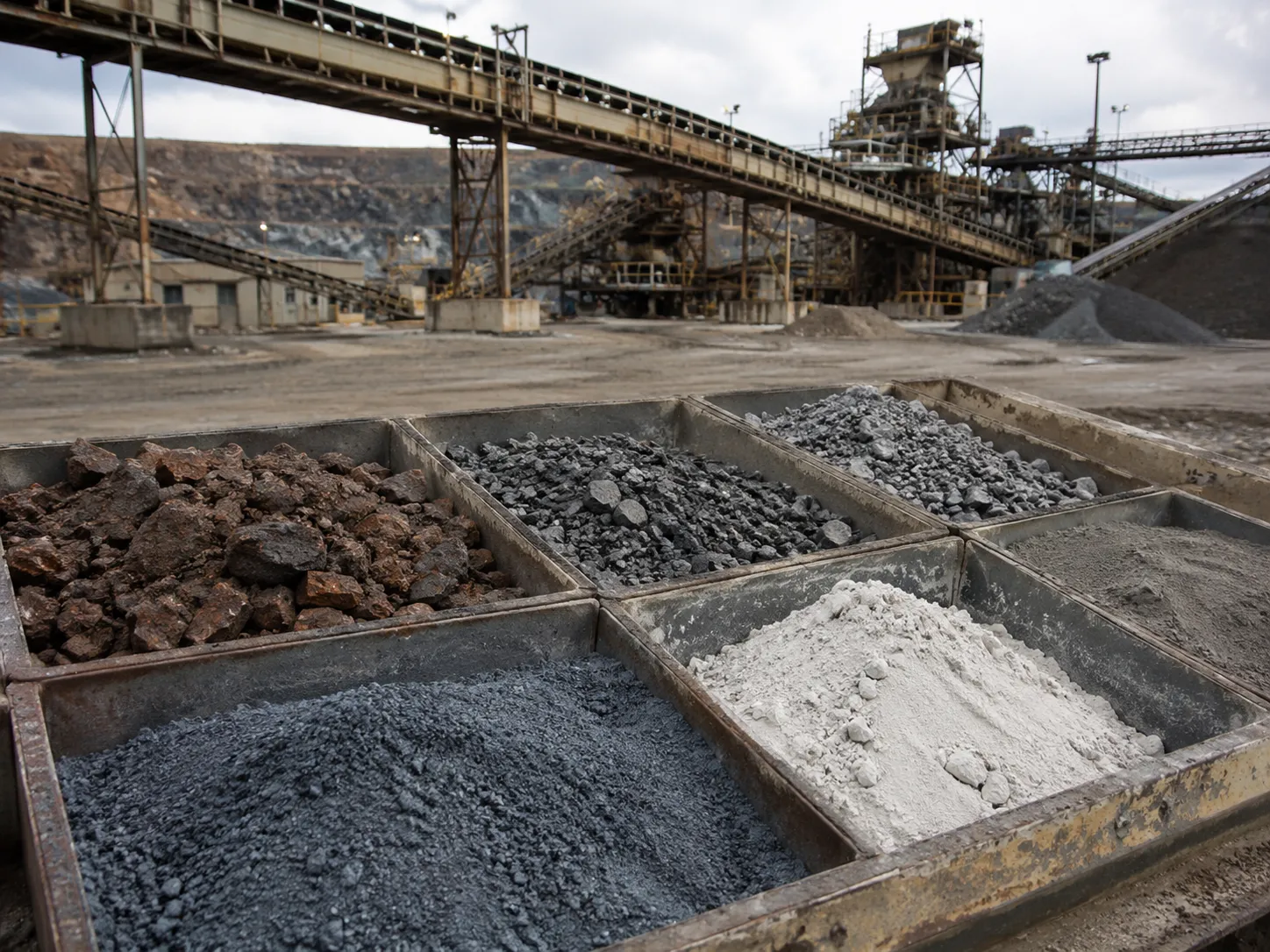
Ores, Concentrates & Mineral Products
Ores and raw minerals, Mineral concentrates, Tailings, Industrial minerals, Mineral powders, Slags and process solids, Scale and deposits, Unknown mineral particles
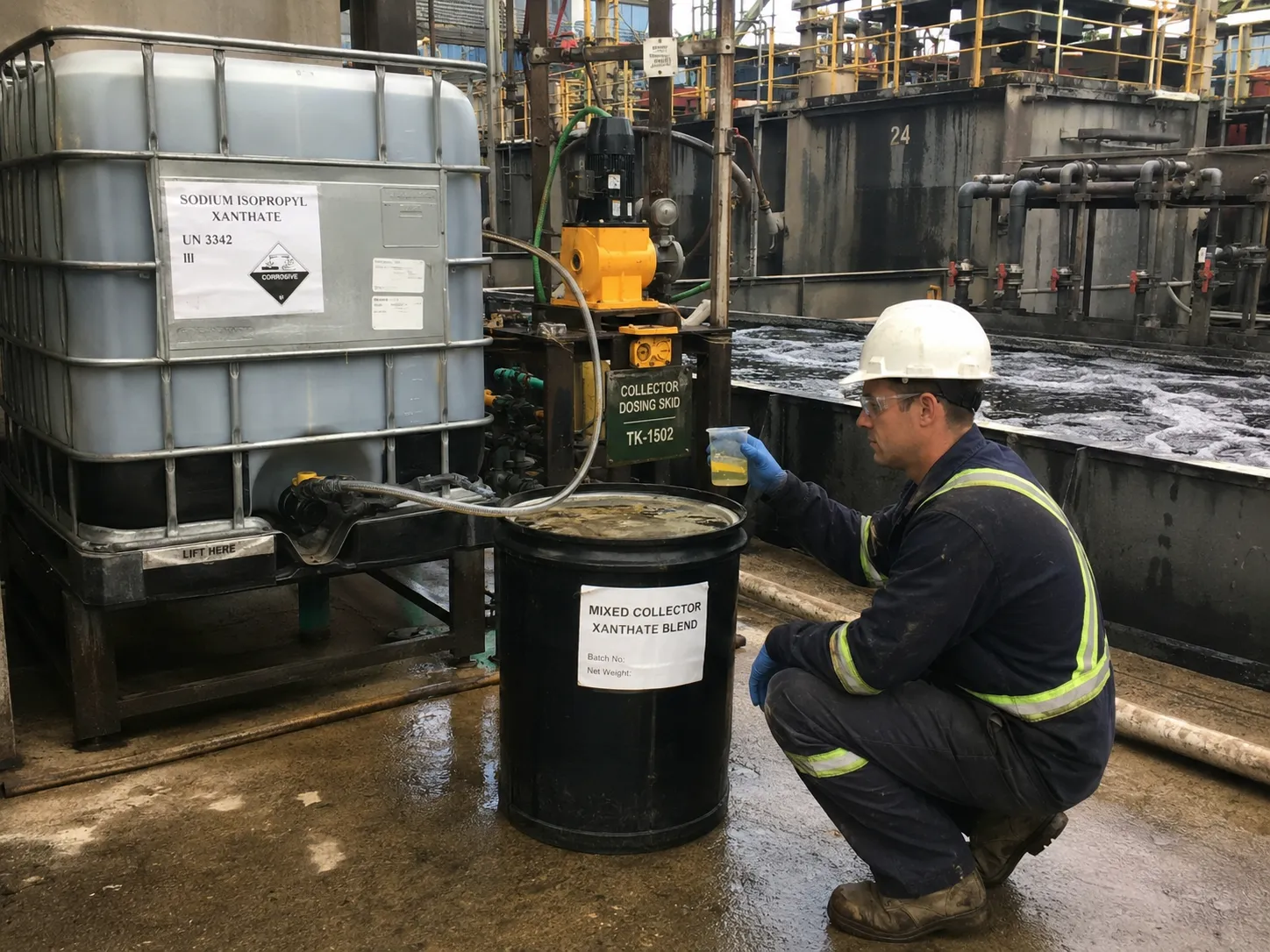
Flotation Collectors
Xanthates, Dithiophosphates, Fatty-acid collectors, Amine collectors, Thiol collectors, Non-polar collectors, Kerosene-based collectors, Mixed collector formulations
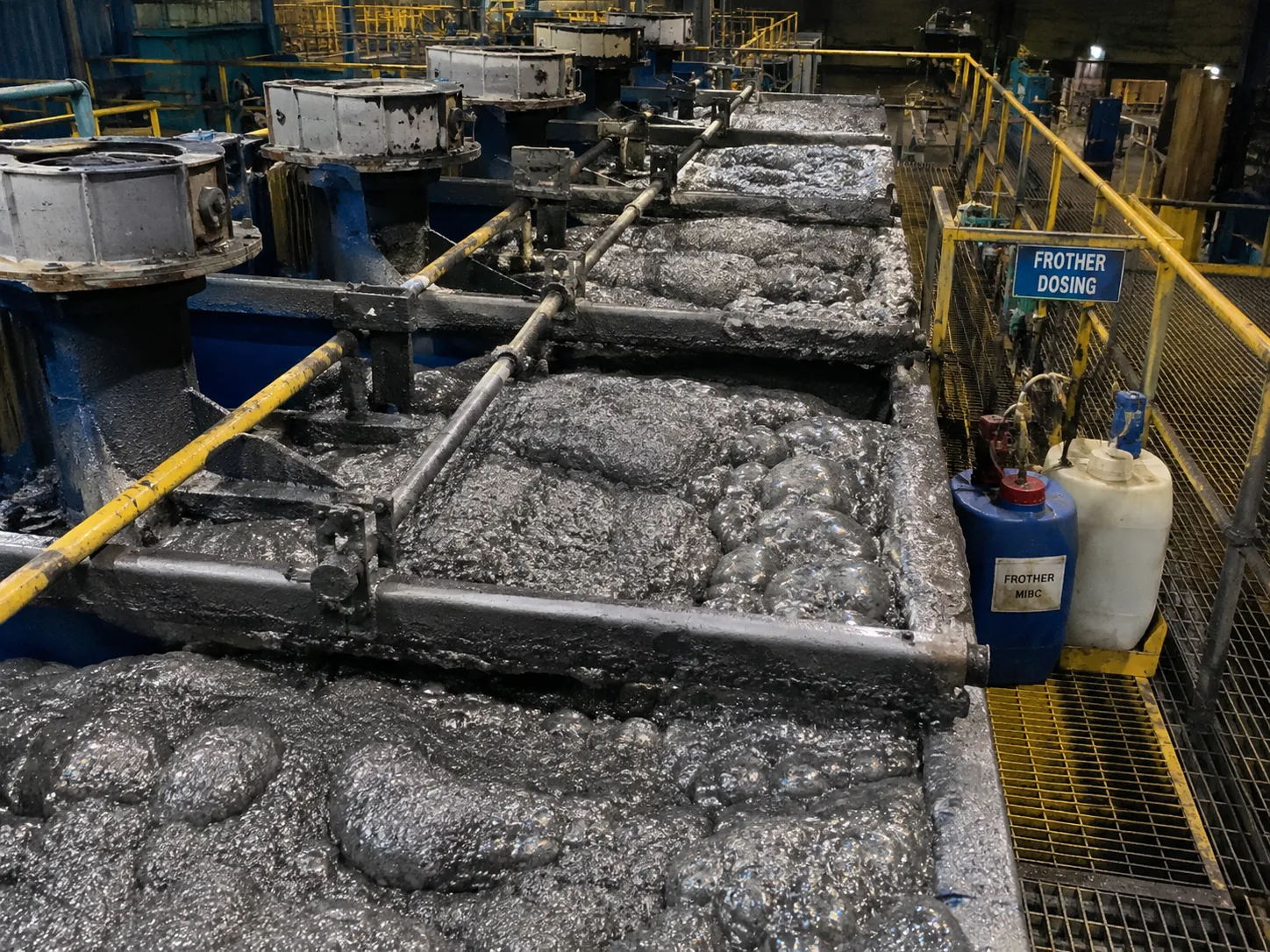
Flotation Frothers
Pine oil, Terpineol, MIBC, Glycol-based frothers, Alcohol-based frothers, Mixed frother formulations, Unknown frothing agents
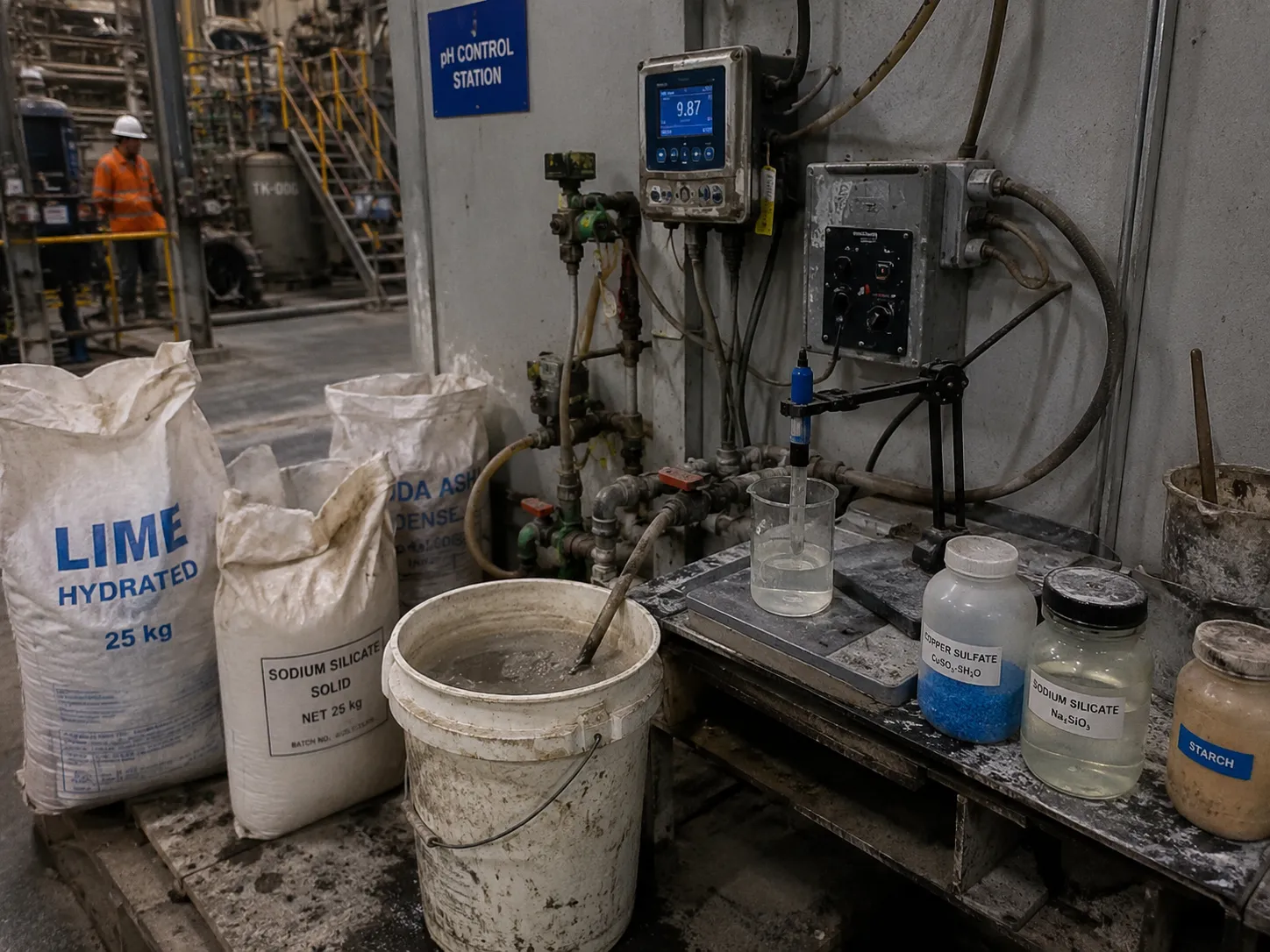
Modifiers & Process Chemicals
Lime, Sulfuric acid, Copper sulfate, Sodium sulfide, Starch, Carboxymethyl cellulose, Sodium silicate, Activators, Depressants, Dispersants, pH modifiers
Common Cosmetics Analysis Needs
Identify the main organic and inorganic components in collectors, frothers, modifiers and unknown mineral-processing chemicals.
Projects may include:
- Main ingredient identification
- Solvent and carrier analysis
- Organic additive analysis
- Inorganic component analysis
- Qualitative and semi-quantitative results
- Formulation comparison
- Deformulation and reverse engineering support
Determine the elemental composition, mineral phases and localized composition of ores, concentrates, tailings and process residues.
Typical objectives include:
- Major and trace element analysis
- Mineral-phase identification
- Impurity identification
- Filler and inorganic component analysis
- Particle morphology
- Elemental distribution
- Scale and deposit characterization
Compare flotation reagents or mineral samples from different suppliers, production batches or process stages.
Comparison may include:
- Ingredient differences
- Active component content
- Organic and inorganic composition
- Impurity profiles
- Mineral-phase differences
- Particle characteristics
- Normal versus abnormal samples
Identify unknown particles, deposits, precipitates and residues associated with mineral processing or production abnormalities.
Typical samples include:
- Pipeline scale
- Filter residues
- Tank deposits
- Flotation residues
- Corrosion products
- Unexpected precipitates
- Foreign particles
- Contaminated mineral products
What Can Mineral Analysis Support?
- Raw material verification
- Flotation reagent quality control
- Supplier comparison
- Batch consistency evaluation
- Collector and frother identification
- Mineral-grade and impurity analysis
- Process residue investigation
- Scale and deposit identification
- Formulation comparison
- Mineral-processing optimization
Methods for Aerospace Materials Analysis
Xinbodi selects analytical methods according to the sample matrix, target component and required detection level.
- XRD — mineral phases and crystalline components
- XRF — elemental screening of minerals and inorganic reagents
- ICP-MS / ICP-OES — major, minor and trace element analysis
- SEM-EDS — particle morphology and localized elemental composition
- FTIR — organic reagents, polymers and functional-group identification
- GC-MS — solvents, frothers and volatile organic components
- LC-MS — non-volatile collectors, additives and organic modifiers
- NMR — molecular-structure confirmation where applicable
- TGA / DSC — thermal behavior and organic/inorganic content comparison
What You Receive
Depending on the project scope, the report may include:
- Mineral or reagent identification
- Organic and inorganic composition
- Major and trace element results
- Mineral-phase information
- Active ingredient information
- Supplier or batch comparison
- Impurity and residue identification
- Instrumental spectra and supporting data
- Interpretation of significant differences
- Recommendations for further verification
Standard projects: 5–10 working days
Rush service may be available depending on scope.
FAQs
Can you identify an unknown flotation reagent?
Yes. FTIR, GC-MS, LC-MS, NMR, elemental analysis and other complementary methods may be used to identify collectors, frothers, modifiers and mixed reagent formulations.
Can you compare flotation reagents from two suppliers?
Yes. Samples can be compared for main ingredients, solvents, additives, inorganic components, impurities and selected active-component contents.
Can you identify minerals and impurities in an ore sample?
Yes. XRD, XRF, ICP and SEM-EDS may be combined to evaluate mineral phases, elemental composition, impurities and particle characteristics.
Can you analyze scale or deposits from mineral-processing equipment?
Yes. Scale, precipitates and process deposits may be analyzed to determine their mineral phases, elemental composition and possible sources.
Can every component be quantified?
Quantification depends on the sample matrix, target compound, available reference standards and analytical method. Some results may be qualitative or semi-quantitative.