
Polymers & Plastics Analysis and Testing
Polymers and plastics are foundational materials for modern products and infrastructure. They are widely used across packaging, consumer goods, automotive, electronics, medical devices, construction, coatings, and industrial components. Because polymer performance depends on molecular structure, additives, fillers, processing history, and surface condition, small changes can lead to large differences in mechanical strength, appearance, odor, stability, and reliability.
We provide analytical testing and materials characterization for polymer resins, compounds, masterbatches, films, fibers, and molded parts, supporting R&D development, incoming QC, supplier qualification, failure analysis, and process troubleshooting. Our multi-technique approach delivers clear, decision-ready results—from rapid material verification to deep unknown identification.
Polymer and Plastic Materials We Analyze
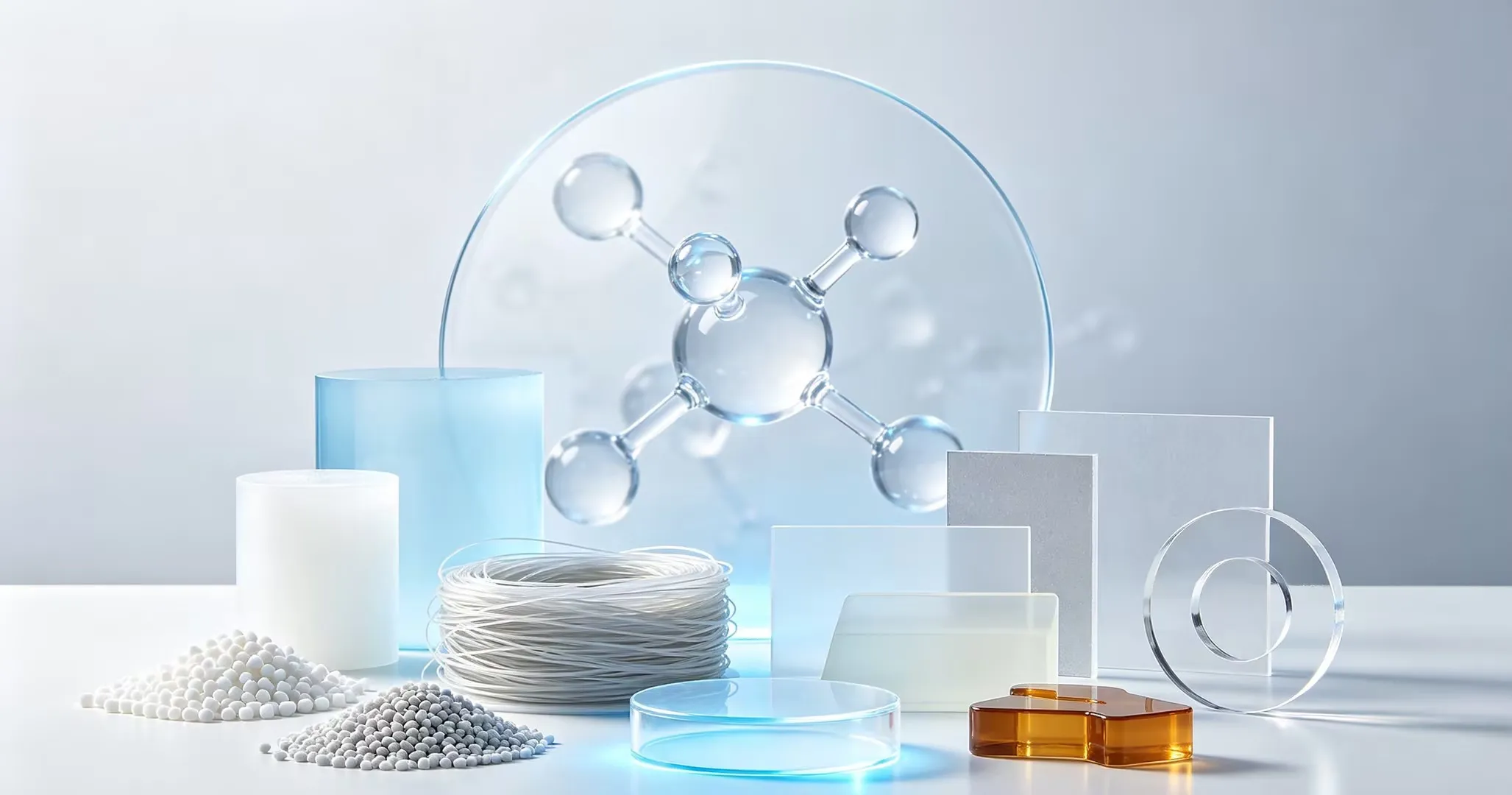
Thermoplastics
PE, PP, PVC, PET, PA, PC, POM, ABS, PMMA and other common plastic materials.

Engineering Plastics
High-performance plastics used in automotive, electronics, medical, and industrial applications.
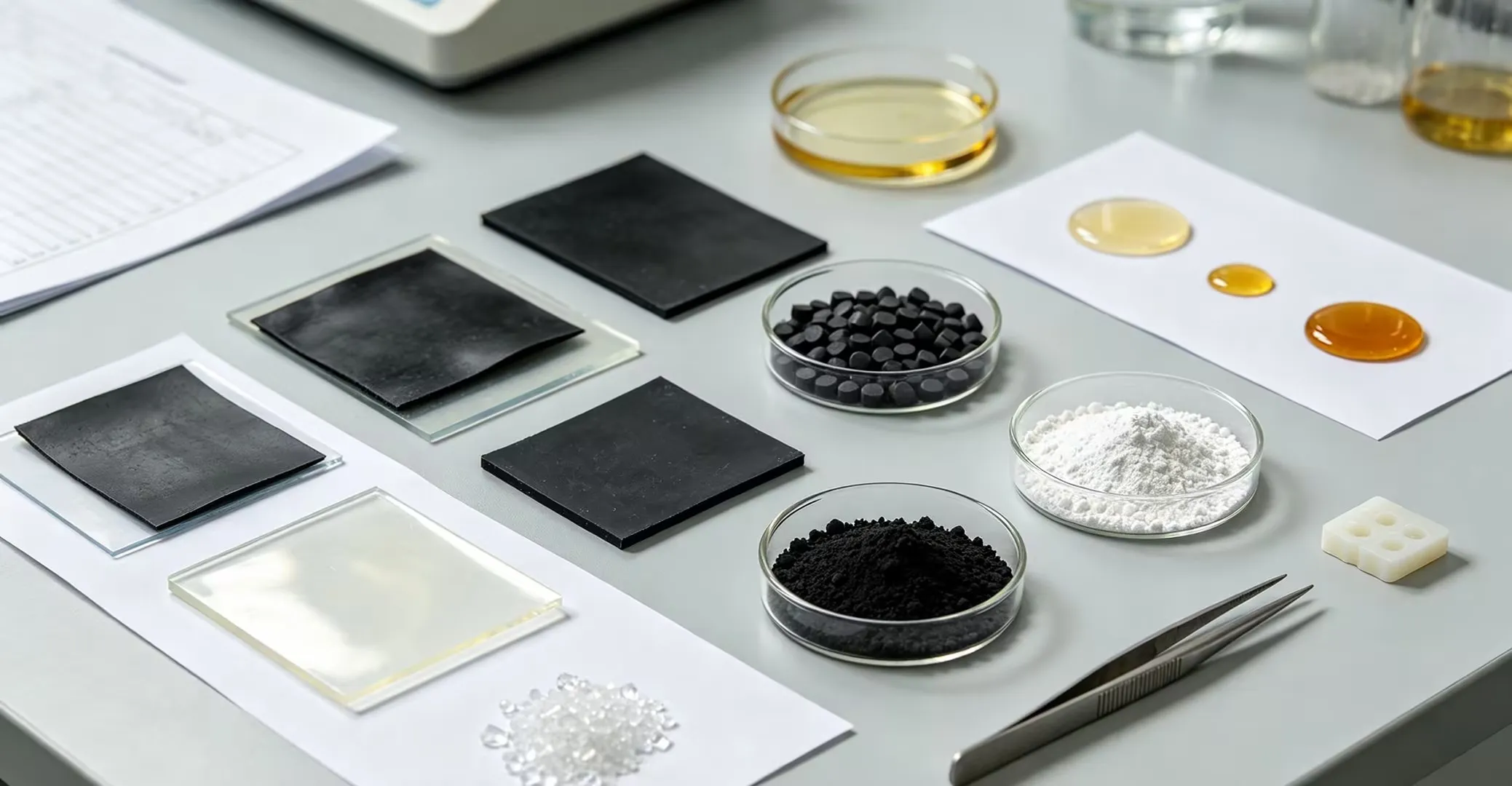
Rubber & Elastomers
Rubber materials, elastomer compounds, fillers, oils, curing systems, and additives.
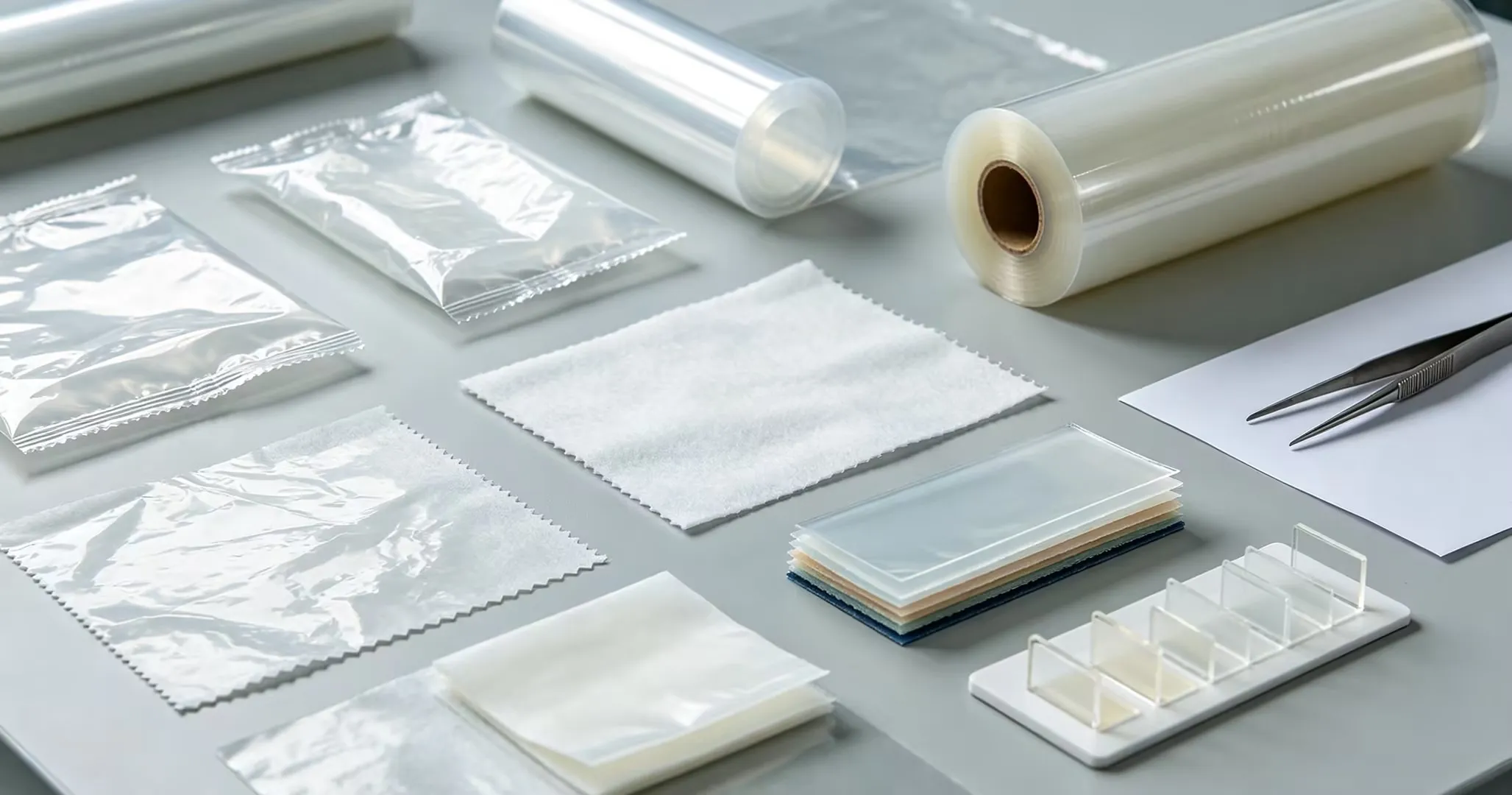
Polymer Films & Packaging
Plastic films, packaging materials, barrier films, hygiene materials, and multilayer structures.
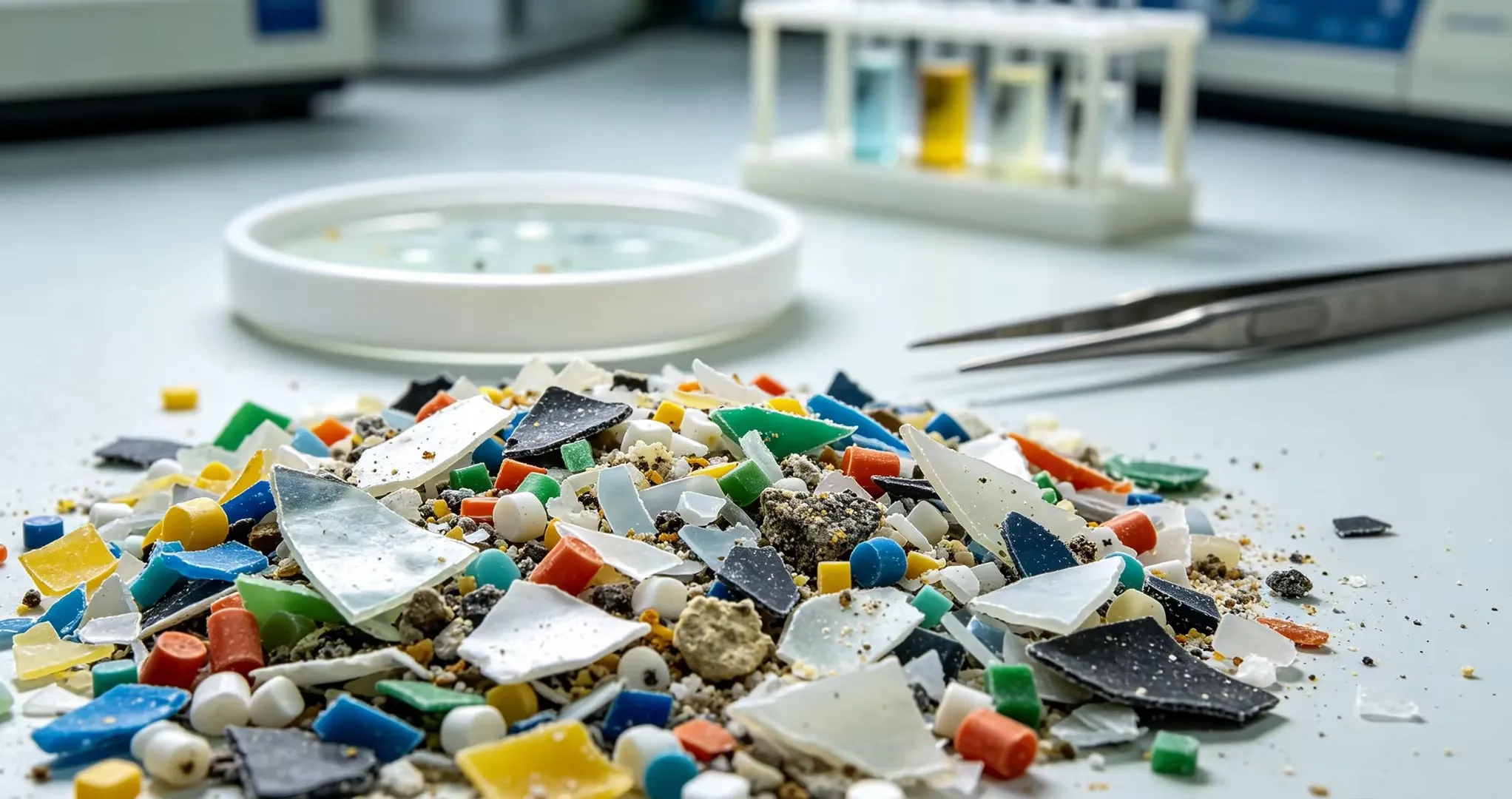
Recycled Plastics
Recycled polymer materials, contamination, filler content, material consistency, and supplier variation.
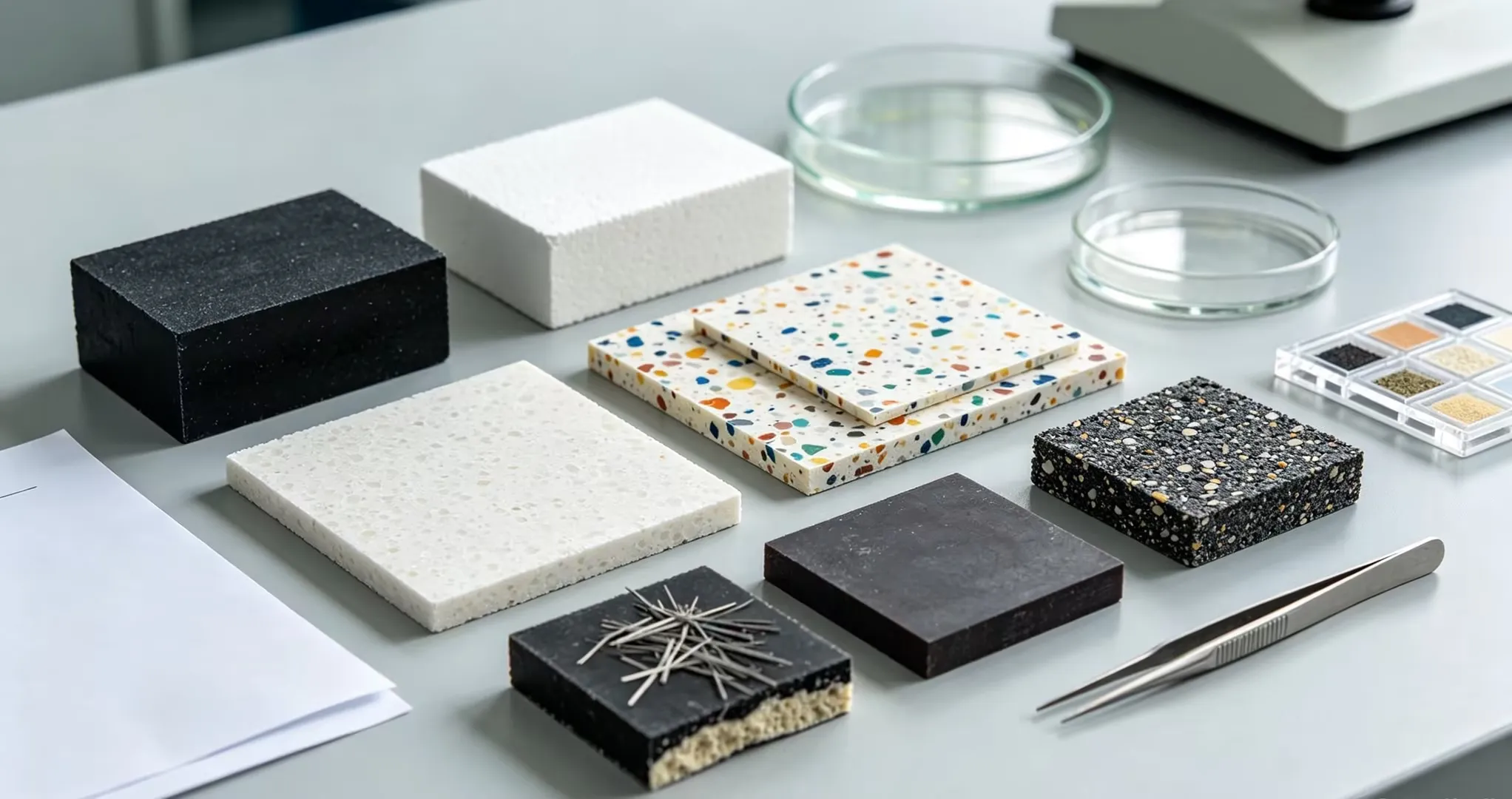
Polymer Composites
Plastic materials containing fillers, fibers, pigments, flame retardants, or reinforcing systems.
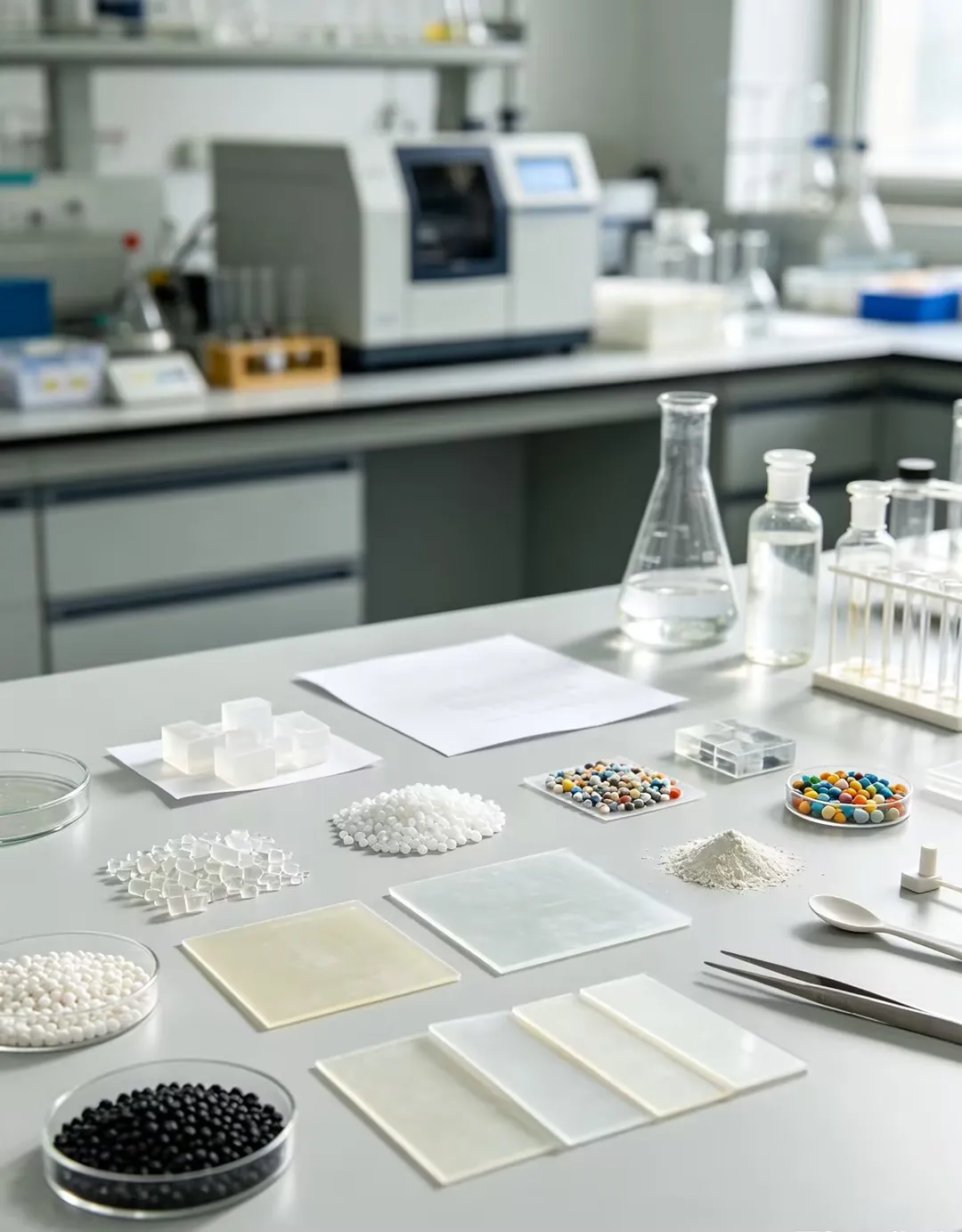
Common Analysis Needs
Resin Identification
Identify the main polymer type, resin system, polymer blend, or unknown plastic material.
Polymer Composition Analysis
Analyze resins, fillers, plasticizers, stabilizers, pigments, flame retardants, lubricants, and other additives.
Plastic Additive Analysis
Identify additives such as antioxidants, UV stabilizers, impact modifiers, processing aids, plasticizers, and flame retardants.
Filler and Pigment Analysis
Determine inorganic fillers, mineral phases, pigments, calcium carbonate, titanium dioxide, silica, and other components.
Molecular Weight Analysis
Evaluate polymer molecular weight and molecular weight distribution using methods such as GPC analysis.
Polymer Failure Analysis
Investigate cracking, brittleness, discoloration, odor, deformation, aging failure, contamination, or abnormal performance loss.
Polymer Deformulation Analysis
Identify resin systems, additives, fillers, and formulation logic for product matching or material replacement.
Polymer Characterization and Structure Analysis
Polymer performance is influenced not only by chemical composition, but also by molecular weight, crystallinity, thermal transitions, filler dispersion, and processing history.
Crystallinity and Amorphous Structure
Evaluate whether a material is amorphous, crystalline, or semi-crystalline, and understand how crystallinity affects strength, transparency, shrinkage, and heat resistance.Thermal Behavior
Analyze glass transition, melting, crystallization, decomposition, filler content, and thermal stability using DSC and TGA.Molecular Weight Distribution
Use GPC analysis to evaluate polymer molecular weight, degradation, resin grade differences, and supplier variation.Morphology and Filler Dispersion
Use microscopy and SEM-EDS to observe particles, cracks, contamination, filler distribution, and local defects.
Testing Methods for Polymer and Plastic Analysis
Xinbodi selects analytical methods based on the polymer type, product form, project goal, and the specific problem to be solved. For complex polymer systems, multiple methods are often combined for cross-verification.
- FTIR
Resin identification, functional group analysis, material screening. - Py-GC-MS
Polymer backbone analysis, rubber, cured resin, crosslinked materials. - GC-MS
Plasticizers, VOCs, odor-causing substances, additives, residual solvents. - LC-MS
Complex additives, stabilizers, antioxidants, non-volatile organic compounds. - GPC
Molecular weight and molecular weight distribution. - TGA
Filler content, thermal decomposition, organic/inorganic ratio. - DSC
Glass transition, melting, crystallization, crystallinity evaluation. - XRF
Elemental screening, fillers, pigments, stabilizers, inorganic additives. - XRD
Crystalline phases, mineral fillers, crystallinity-related information. - SEM-EDS
Surface morphology, particles, filler dispersion, elemental distribution. - NMR
Molecular structure confirmation and component ratio estimation. - ICP-MS / ICP-OES
Trace metals, catalyst residues, inorganic impurities.
Supplier Sample Comparison & Material Replacement
Xinbodi helps manufacturers compare supplier samples, failed samples, and replacement materials to find composition differences, impurity sources, and formulation gaps.
Supplier Comparison
Compare resin, additives, fillers, and thermal behavior.Impurity Analysis
Identify residues, particles, VOCs, and trace contaminants.Deformulation Support
Understand resin systems, additive packages, and formulation logic.Raw Material Replacement
Support import replacement and supplier switching.Good vs. Failed Sample
Find differences behind cracking, odor, discoloration, or performance loss.Cost & Performance Optimization
Support better material selection and formulation adjustment.
Standard projects: 5–10 working days
Rush service may be available depending on scope.
FAQs
Can you identify an unknown plastic?
Often yes. FTIR/Raman is typically the first step; more complex blends or additives may require Py-GC/MS, GC-MS, or NMR for confident identification.
Can you determine additive content?
We can often screen and compare additive signatures. Absolute quantification may require standards and a targeted method plan.
Do you support recycled plastics characterization?
Yes (project-dependent). Comparison workflows can help assess variability, contamination, and additive differences.
How do you handle multilayer films?
We can support layer-related studies using a combination of spectroscopy and surface/section analysis (project-dependent). Provide layer info if available.
Can polymer analysis help with plastic failure problems?
Yes. Polymer analysis can help investigate cracking, brittleness, discoloration, odor, surface blooming, contamination, aging failure, and abnormal material performance.
How important is a reference sample?
Very. A known-good lot enables faster and more defensible difference analysis.
Why does crystallinity matter in polymers?
Crystallinity can affect strength, flexibility, transparency, shrinkage, heat resistance, chemical resistance, and failure behavior. DSC and XRD are commonly used to support crystallinity evaluation.